
Solana Price Prediction: What’s Next for SOL?
📈 Discover the key factors affecting Solana's price and get clear insights into SOL's future trends. Stay informed about market shifts and tech updates.
Edited By
Charlotte Edwards
Avalanche (AVAX) has grabbed a fair share of attention on crypto exchanges across South Africa and beyond. As a platform designed to provide faster and cheaper transactions, it presents itself as a serious contender to Ethereum, especially for decentralised finance (DeFi) and non-fungible tokens (NFTs). For traders and investors looking to gauge AVAX’s next moves, understanding its underlying tech and market dynamics is key.
Built with a consensus protocol that validates transactions in under two seconds, Avalanche aims to cut wait times without compromising security. This means apps running on Avalanche can offer smoother user experiences, more suitable for Africa’s growing fintech space, where mobile users demand prompt and affordable services.
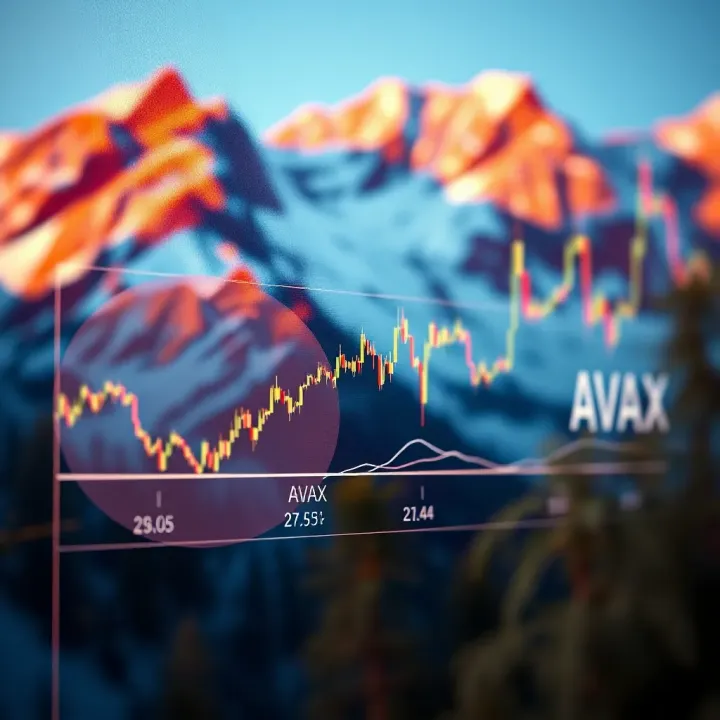
That said, AVAX’s price doesn’t only hinge on technology. The crypto market is notoriously volatile, influenced by global economic trends, local regulatory developments, and even simple shifts in investor sentiment. For example, when the South African Reserve Bank talks up digital currencies or reviews taxation policies, it can sway local interest one way or another.
"Avalanche’s future price swings will depend heavily on its adoption among DeFi projects and how well it weathers competition from Ethereum and newer blockchains."
Some practical factors to consider when predicting AVAX’s price include:
Use cases: The broader Avalanche’s utility in real-world applications, the stronger its demand may become.
Partnerships and integrations: New collaborations with fintech firms or exchanges can boost credibility and usage.
Market competition: Ethereum’s ongoing upgrades and rivals like Solana or Cardano could steal some spotlight.
Macro influences: Interest rate changes by SARB, regulatory announcements, or shifts in global crypto regulations affect capital flow.
The takeaway here: while Avalanche’s core technology positions it well, savvy investors should watch market trends and local conditions closely. Given the choppy nature of crypto, a balanced view focused on both tech progress and external factors will provide the clearest picture of AVAX’s near future.
Knowing what Avalanche is and how it fits into the broader crypto space is essential for anyone thinking of investing or trading AVAX. This platform isn't just another blockchain; it offers unique features that directly affect its price behaviour and potential.
Avalanche is a blockchain platform designed for creating decentralised applications (dApps) and custom blockchain networks. It aims to solve the scalability and speed issues that slow down many blockchains, including Ethereum. For instance, Avalanche claims to handle over 4,500 transactions per second with finality in under two seconds, which is a big deal for users and developers who want quick, low-cost transactions.
The backbone of Avalanche is its consensus mechanism called Avalanche consensus. Unlike traditional proof-of-work or proof-of-stake systems, it uses a novel approach based on random subsampling in the network, which allows high throughput without compromising security. This makes Avalanche energy-efficient and resistant to centralisation, a key concern for many crypto investors.
Avalanche’s use cases span from decentralised finance (DeFi) projects to enterprise-grade applications. DeFi platforms built on Avalanche benefit from its speed and low costs, making token swaps, lending, or staking smoother for users. On top of that, Avalanche supports customised blockchains, meaning businesses can tailor networks for specific needs—whether that's supply chain tracking or digital identity management, which widens its appeal beyond pure finance.
When stacked against Ethereum and other smart contract giants like Solana or Binance Smart Chain, Avalanche stands out for its speed and interoperability. While Ethereum remains popular, its network congestion has often led to high fees, which puts Avalanche in a position to attract projects and users looking for cheaper alternatives without losing functionality.
Avalanche’s growth is supported by strategic partnerships with brands and platforms keen to expand blockchain’s real-world impact. For example, its collaboration with Deloitte boosts enterprise adoption, while integrations with DeFi protocols like SushiSwap and Aave demonstrate broad ecosystem support. This strong network effect can positively influence AVAX’s market value.
Adoption trends also tell a story. Increasingly, developers opt for Avalanche due to its technical advantages and growing community. Regular network upgrades and a supportive developer fund encourage innovation, attracting both startups and established players. This rising use reflects in trading volumes and investor interest, important signals when predicting price movements.
Understanding Avalanche’s technical strengths and ecosystem position helps investors gauge AVAX’s long-term viability, making it more than just a speculative asset.
In summary, Avalanche offers a practical, efficient alternative within the blockchain world, balancing speed, security, and flexibility. Its expanding use in DeFi and beyond, combined with solid partnerships and adoption trends, makes it crucial to factor these elements when assessing its price prospects.
Understanding the forces that move Avalanche’s price is key for any investor or trader keeping an eye on AVAX. These movements are rarely random; instead, they hinge on a mix of market dynamics, tech progress, and the mood of the community behind the coin. Knowing what influences price shifts helps you navigate volatility with a bit more certainty rather than just guessing.
Crypto market cycles and volatility play a huge part in AVAX’s price swings. Cryptocurrencies often move in cycles marked by phases of hype, correction, and consolidation. For example, during 2021’s boom, AVAX shot up alongside Bitcoin and Ethereum but later corrected sharply when broader market sentiment cooled. These cycles can be abrupt due to the speculative nature of crypto, so understanding where the market stands can shape your entry or exit timing.
Impact of broader financial markets can’t be ignored. Despite being relatively new, AVAX’s price is sensitive to global economic events like inflation fears or interest rate hikes. For instance, when the US Federal Reserve signals tighter monetary policy, risk assets such as crypto often take a knock. South African investors should also note the rand’s moves against major currencies since currency weaknesses can add extra selling pressure on local crypto holdings when converted.
Community interest and social media influence strongly steer AVAX price movement on a day-to-day basis. Platforms like Twitter, Reddit, and Telegram serve as barometers for investor mood and buzz. A sudden spike in mentions or endorsements from crypto influencers often leads to short-term price pops. On the flip side, negative news or FUD (fear, uncertainty, doubt) can scare casual investors right out of the market. These factors show just how much crowd psychology can move AVAX’s value beyond fundamentals.
Network upgrades and protocol improvements often act as price catalysts. Avalanche’s ongoing tweaks to its consensus mechanism and resilience put it in a position to compete strongly with other smart contract platforms. For example, the launch of the Avalanche Rush incentive programme gave the ecosystem a boost by attracting DeFi projects and liquidity, directly lifting AVAX’s market interest.
Ecosystem expansion with new projects within Avalanche plays a critical role in sustaining long-term value. Each new dApp, NFT platform, or enterprise solution launched increases demand for AVAX tokens used as gas fees or staking. Recent integrations with popular DeFi protocols have broadened utility, adding layers of demand beyond speculation. This growing ecosystem hints at potential sustainable growth not only from traders but also from developers and users.
Effect of scalability and transaction speed on AVAX cannot be overstated. Avalanche’s claim to fame is fast finality times and low transaction costs, which matter when users get frustrated with congested, expensive chains like Ethereum during peak times. If Avalanche maintains or improves these traits, it could continuously attract more users and projects, keeping demand for AVAX high. Slow or costly networks risk losing their edge, which would then reflect negatively on the token’s price.

Price movements in AVAX are a complex web of market feelings, broader economic shifts, and real tech progress. Watching these carefully can give better clues on where AVAX might head next.
Understanding current price analysis and trends is vital for anyone aiming to navigate the AVAX market effectively. This section breaks down key historical and technical factors shaping Avalanche's price, offering traders, investors, and analysts the tools they need to make informed decisions.
Since Avalanche’s debut in 2020, AVAX has seen significant price fluctuations. Early in 2021, it surged from below R100 to a peak above R5,000 during the crypto boom around April and November. Such spikes often reflect heightened speculative interest and adoption announcements. However, these highs were followed by sharp corrections — for instance, during the market-wide downturn in mid-2022, AVAX dipped below R1,000. These ups and downs highlight the crypto’s volatility but also offer entry points for savvy investors.
Recognising these peaks and troughs helps anticipate potential resistance and support areas, providing context for current price moves rather than a blind following of market hype.
AVAX price movements have often mirrored broader market developments. For example, when the South African Reserve Bank (SARB) raised interest rates or when global inflation concerns rose, crypto interest temporarily cooled, weighing on AVAX. Similarly, network upgrades and announcements of new DeFi partnerships have boosted investor confidence, sending prices upward.
Global crypto corrections, such as the 2022 winter, also impacted Avalanche along with peers like Ethereum and Bitcoin. Understanding these external influences is key to contextualising price dips or surges beyond Avalanche’s own fundamentals.
Liquidity is a good indicator of how easily AVAX can be bought or sold without disrupting its price. Typically, higher trading volumes during peak periods coincide with more significant price jumps or declines. For instance, volumes spiked during Avalanche’s DeFi surge in late 2021, signalling strong market participation.
Fluctuations in liquidity can affect trade execution — low volume often means wider spreads and higher costs, which traders should consider when timing entry or exit points.
Support and resistance zones are price points where AVAX historically finds buying or selling pressure. For example, the R1,500 level has often acted as strong support during downturns, preventing deeper falls. Conversely, resistance around R3,000 has capped upward rallies repeatedly.
Traders watch these levels closely to set stop-losses or take profits. If AVAX breaks above resistance convincingly, it may signal a new bullish phase; failure to do so often suggests consolidation or decline.
Moving averages smooth out price action to reveal trends. The 50-day and 200-day moving averages are particularly useful. AVAX trading above its 200-day moving average usually indicates longer-term bullish momentum.
Crossovers — when the shorter 50-day average crosses above the 200-day (known as a golden cross) — have often foreshadowed price rallies for AVAX. Conversely, a death cross signals potential downturns. Investors use these trends for entry timing and gauging market sentiment.
Volume indicators confirm the strength of price moves. Higher volume during a rally or sell-off suggests conviction behind the move. For instance, during AVAX’s November 2021 surge, volume soared, supporting a sustained uptrend.
Volatility measures the size of price swings. AVAX tends to exhibit wide swings during market uncertainty, which can mean higher risk but also greater profit opportunities. Tools like the Average True Range (ATR) help traders manage risk by setting stop-loss levels aligned with volatility.
Keeping an eye on these technical and historical indicators equips investors to interpret Avalanche’s price activity with greater clarity, balancing optimism with caution in a volatile market.
In sum, current price analysis blends past price behaviour and technical signals, creating a practical framework for anticipating AVAX’s near-term movements. This balanced approach helps traders and investors spot opportunities while being mindful of risks inherent in crypto markets.
Expert predictions offer valuable insight for traders and investors interested in AVAX. These forecasts synthesize market data, technological updates, and sentiment trends to provide an informed view of potential price paths. While no prediction is certain, understanding analyst expectations helps in making measured decisions, especially amid the crypto market’s notorious ups and downs.
Short-term price expectations typically cover weeks to a few months, focusing on immediate catalysts such as network upgrades, market sentiment swings, or key partnerships. For example, an upcoming Avalanche protocol update might push prices upward by improving network scalability or security. Traders often watch these short-term signals to time entries or exits, capitalising on volatility that can move AVAX prices sharply within a brief window.
Medium to long-term outlooks stretch from six months up to several years. These forecasts consider the broader adoption of Avalanche in DeFi, enterprise use cases, and competitive positioning relative to rivals like Ethereum or Solana. Analysts might project gradual growth based on ecosystem expansion and user adoption trends, giving investors a gauge of whether AVAX can sustain upward momentum. For instance, sustained partnership deals with major corporates could underpin steady price increases over time.
Divergent views and uncertainties are common among experts due to cryptocurrency’s evolving nature. Some forecasts are bullish on AVAX’s potential, banking on technological breakthroughs and increasing real-world applications. Others warn that regulatory hurdles or intense competition could weigh on prices. This range of opinions highlights the need for caution and ongoing market monitoring rather than relying solely on any one prediction.
Volatility inherent in cryptocurrencies causes frequent and often unpredictable price swings. Unlike traditional assets, crypto markets react sharply to news, social media, and macroeconomic shifts, which complicates forecast accuracy. For example, a sudden regulatory announcement or a social media endorsement can cause AVAX prices to deviate significantly from predicted paths. Traders hence approach price predictions as guidance rather than gospel.
Regulatory changes and market sentiment play substantial roles in shaping AVAX’s price. New rules around crypto trading and taxation, especially in key markets like South Africa, can affect investor confidence. If regulators tighten controls or impose taxes, it may deter speculative trading, leading to price drops. Conversely, positive regulatory clarity often boosts market sentiment, driving demand. Monitoring these developments helps investors anticipate shifts beyond pure technical factors.
Technological risks and competition also impact AVAX’s prospects. While Avalanche’s consensus mechanism offers speed and efficiency, rivals continuously innovate, threatening market share. Delays or flaws in protocol updates could erode trust and stall adoption. Furthermore, the rise of alternative layer-one blockchains might fragment the market, limiting growth potential. Investors should weigh Avalanche’s technological roadmap against its competitors to judge long-term viability.
Understanding the array of forecasts and their influencing factors equips AVAX investors to navigate the market with a clearer sense of risk and opportunity. Staying alert to technical updates, regulatory moves, and broader market mood remains key.
Understanding the risks and opportunities tied to investing in Avalanche (AVAX) is vital for anyone considering entering the market. Given the dynamic nature of cryptocurrencies, weighing these factors can guide smarter decisions and help navigate the volatile landscape.
Regulation remains one of the most significant hurdles for AVAX investors. In South Africa, the regulatory framework for crypto is still evolving, with the Financial Sector Conduct Authority (FSCA) issuing warnings but no strict regulations yet. Globally, however, countries like the US and the EU have tightened oversight on cryptocurrencies, impacting market sentiment and liquidity. For example, announcements of potential bans or tougher compliance requirements can cause price dips as traders react to uncertainty.
South African investors should monitor developments like possible taxation rules on crypto gains or RICA (Regulation of Interception of Communications and Provision of Communication-Related Information Act) compliance for blockchain transactions. The general global trend towards stricter regulation means AVAX’s price can face sudden shocks if governments impose harsh restrictions or require additional reporting, so staying informed is crucial.
Avalanche competes fiercely within a crowded smart contract and DeFi ecosystem alongside Ethereum, Solana, and others. Rapid innovation means AVAX must continuously improve to stay relevant. New platforms frequently emerge, offering faster transactions or lower fees, which can lure users away.
For example, if Ethereum’s network upgrades solve its high gas fee issues, or if Solana’s ecosystem expands with popular decentralised apps, AVAX could lose market share, pressuring its value. Investors need to consider not just current strengths but how Avalanche matches up to ongoing and future technological advances.
Like all blockchain projects, Avalanche faces potential security vulnerabilities. Hacks on DeFi projects built on AVAX, such as flash loan attacks or smart contract exploits, can undermine confidence and lead to price drops. There’s also the risk of network outages or bugs that disrupt consensus.
While Avalanche’s consensus mechanism is praised for speed and efficiency, any critical security incident—such as a 51% attack or a significant protocol flaw—could dent investor trust. Investors should watch for regular audits, updates, and responses from the Avalanche development community as indicators of network robustness.
Avalanche stands to benefit greatly from expanding decentralised finance (DeFi) adoption. With its low transaction fees and rapid confirmation times, it provides an attractive platform for DeFi projects aiming to avoid Ethereum’s congestion.
Projects like Pangolin and Trader Joe on Avalanche offer AMMs (automated market makers) and yield farming, drawing users seeking alternatives to pricey networks. As DeFi integrates more real-world financial services, Avalanche’s ecosystem growth can sustain upward pressure on AVAX’s price.
Partnerships with established firms boost Avalanche’s profile and utility. For instance, collaborations with fintech startups, gaming companies, or NFT marketplaces expand use cases and network effects.
Institutional interest is picking up too. Some asset managers and hedge funds in South Africa and abroad now include AVAX within diversified crypto portfolios, signalling growing acceptance. Such involvement often brings higher liquidity and a measure of price stability.
Avalanche’s continuous upgrades aim to improve scalability, user experience, and developer tools. Features like the upcoming cross-chain interoperability and enhanced virtual machine support can open doors to new applications.
Technological advances also mean easier onboarding for developers and users, which drives ecosystem expansion. Increased use across sectors like gaming, supply chain, and identity verification could reinforce AVAX’s long-term valuation.
For AVAX investors, recognising both the risks of regulation, competition, and technical threats, alongside the opportunities in DeFi growth, partnerships, and innovation, forms the basis for informed betting on Avalanche’s future.
📈 Discover the key factors affecting Solana's price and get clear insights into SOL's future trends. Stay informed about market shifts and tech updates.
Explore Ripple price trends 📈, tech insights 🔍, market factors, expert views, and risks to watch 🚨. Stay informed on XRP's future in South Africa and beyond.

Explore SOL price trends 📈 and market shifts 🔍 influencing Solana's future. Delve into risks, growth chances, and tech impacts affecting SOL value ⚙️.
📈 Explore factors shaping Naspers share price, recent trends, key investments, and expert views to guide your investment decisions in South Africa’s market.
Based on 13 reviews