
Understanding Synthetics Trading in South Africa
Explore synthetics trading in South Africa 🇿🇦 – learn how synthetic assets work, benefits, risks, platforms, regulation, and practical tips for traders.
Edited By
Oliver Mitchell
Forex trading, or foreign exchange trading, involves buying and selling currencies against each other, aiming to profit from shifts in exchange rates. For beginners, understanding this market can seem tricky, but with the right knowledge and tools, you can start trading confidently in South Africa’s context.
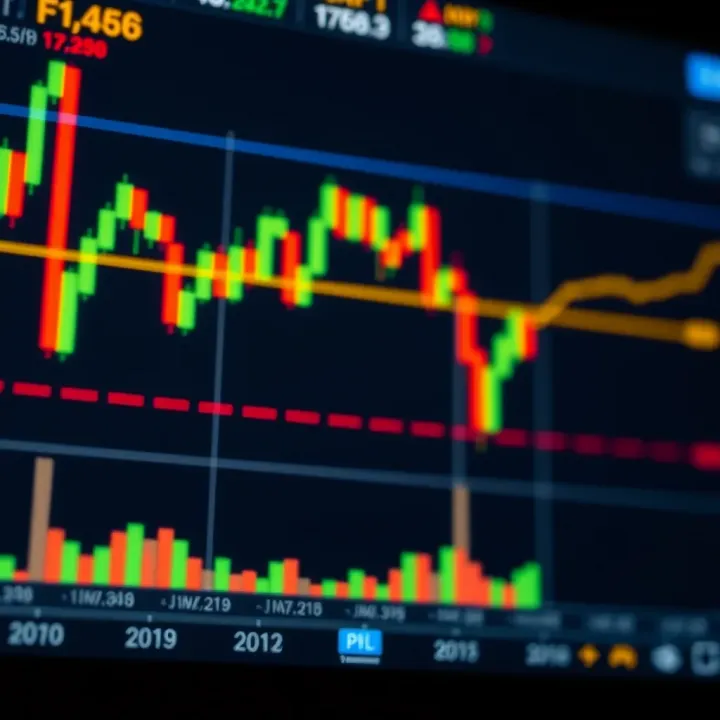
At its core, forex operates in pairs like USD/ZAR, where you trade one currency for another. The price reflects how much one unit of the base currency costs in the quote currency. Unlike the JSE where you buy shares, forex trading is often about speculating on currency movements.
First, get familiar with terms such as pips (price movement units), leverage (trading with borrowed funds), and spreads (difference between buy and sell prices). Selecting a reputable forex broker regulated by the FSCA (Financial Sector Conduct Authority) is essential. Brokers like IG, Plus500, or local platforms offer user-friendly interfaces and comply with local laws.
Forex can be volatile. To limit losses, use risk management tools: set stop-loss orders, manage position sizes, and avoid gambling with your capital. Developing a trading plan tailored to your goals and risk appetite helps keep emotions in check and decisions consistent.
New traders often chase quick profits or neglect market analysis. Remember, continuous learning and patience pay off. Watch out for scams promising guaranteed returns – forex is a market of probabilities, not certainties.
Start small and grow gradually. Experience gained in demo accounts or small live trades proves invaluable.
Once comfortable with basics, explore technical analysis techniques or fundamental factors that influence currencies, such as economic data or geopolitical events impacting the rand.
With a proper foundation, you’ll navigate the forex market more confidently, using practical strategies suited for Mzansi’s trading environment.
Getting to grips with the basics of forex trading sets the foundation for any successful trader. Without a clear understanding of how the foreign exchange market operates, it’s easy to get overwhelmed by jargon and fast-moving prices. This section provides clarity on the essential elements that newcomers must know before entering the market – from what forex trading actually is, to the key terms that shape daily trading activities.
The foreign exchange market, commonly known as forex, is the global marketplace where currencies are bought and sold. It’s the largest financial market worldwide, with over $6 trillion traded daily. Forex trading involves exchanging one currency for another, and it affects everything from travel costs to international business. For instance, if a South African importer needs US dollars to pay for goods, they will buy USD in the forex market using rand (ZAR).
Currencies are always traded in pairs, like EUR/USD or USD/ZAR, which means you’re buying one currency while simultaneously selling another. This pairing reflects the relationship between two economies and shows how much one currency is worth compared to the other. Understanding currency pairs is vital because profits and losses arise from changes in exchange rates between these pairs.
Market participants range from central banks and multinational corporations to retail traders like yourself. Central banks may intervene to stabilise their currency, while exporters and importers use forex to manage risks. Retail traders typically seek to profit from short-term price fluctuations. Each group plays a distinct role, contributing to the liquidity and dynamism of the market.
Pips, lots, and leverage explained: A pip is the smallest price movement in a currency pair, usually the fourth decimal place (except for pairs involving JPY). For example, if USD/ZAR moves from 18.2500 to 18.2550, that’s a 5-pip change. Lots indicate trade size; a standard lot equals 100,000 units of the base currency. Beginners might start with mini or micro lots to manage risk better. Leverage allows you to control a large position with a smaller amount of capital, but it magnifies both gains and losses – so use it cautiously.
Bid and ask price meaning: The bid price is the price buyers are willing to pay, while the ask price is what sellers want. The difference between these two prices is called the spread. For instance, if EUR/ZAR has a bid of 17.5000 and an ask of 17.5040, the spread is 4 pips. When you sell, you do so at the bid price; when you buy, you pay the ask price.
Spread and its importance: The spread represents the broker’s commission and market liquidity. Narrow spreads generally mean lower trading costs and easier entry/exit. Wider spreads often happen outside peak trading hours or with less liquid pairs like ZAR-based pairs at certain times. Choosing a forex broker offering competitive spreads can reduce your trading expenses significantly.
Understanding these foundations equips you to approach forex trading realistically and with better control over your decisions. Without it, you're navigating without a map.
Before you dive into forex trading, it’s vital to get your basics right and prepare adequately. This stage lays the foundation for your trading journey, ensuring you don't rush in blindly. In South Africa, this means not only understanding the market but also navigating local rules and choosing the right tools, such as a good broker and the correct account setup. Without this groundwork, even a well-planned trading strategy is prone to fail.
The Financial Sector Conduct Authority (FSCA) is the watchdog overseeing forex brokers in South Africa. Choosing a broker regulated by the FSCA offers you some protection against scams or unethical behaviour. For example, an FSCA-regulated broker must keep your funds separate from their operating capital, reducing the risk of losing your money if the broker runs into financial trouble. Always check the FSCA’s online register to verify broker credentials before handing over your details or cash.
Market makers set the prices themselves, meaning they are essentially your counterparty. This can create a conflict of interest but may offer more stable spreads or smaller initial deposits. On the other hand, ECN (Electronic Communication Network) brokers connect you directly with other traders or liquidity providers, usually offering tighter spreads and faster execution but often charging commissions. In South Africa, many beginners stick to market makers due to lower upfront costs, but understanding these differences helps you decide what suits your style and budget.
Fees vary widely, impacting your bottom line. Spreads—the difference between buying and selling prices—can be fixed or variable; tighter spreads mean cheaper transactions. Also, watch out for additional fees like commissions, withdrawal charges, or inactivity penalties. Deposit requirements differ, too: some brokers ask for R500 or less, others much more. Choose a broker whose fee structure fits your planned trading activity and funds. For instance, if you want to trade small amounts, avoid brokers with high minimum deposits.
Most brokers offer various account types such as standard, mini, or micro accounts, depending on how much you want to trade. Some even tailor accounts to cater for different strategies or leverage levels. South African traders can often open accounts denominated in ZAR, which avoids unnecessary currency conversion fees when depositing funds. Selecting the right account is about matching your budget and risk appetite. For example, a mini account lets you trade smaller lots, which helps manage risk when starting out.
South African brokers must comply with the Financial Intelligence Centre Act (FICA), which means you’ll need to submit identification documents like your ID book, proof of residence, and sometimes a source of income statement. This process prevents fraud and money laundering, protecting all parties involved. It can feel like a chore but is a standard part of getting set up, and the sooner you complete it, the quicker you can start trading.
Depositing funds securely is non-negotiable. Most brokers accept bank transfers, credit or debit card payments, and some even offer e-wallet options like Skrill or Neteller. Bank transfers are common in South Africa but may take a couple of business days. Always use payment methods supported by your broker and keep transaction records for your own peace of mind. Never send money directly to individual traders or third parties claiming to represent the broker.
Preparing well by selecting regulated brokers, understanding fees, and ensuring proper account setup not only safeguards your investment but also sets you up for smoother, more confident trading.
Starting your forex trading journey without a clear approach is like setting off for the Drakensberg without a map — you might get somewhere, but it won’t necessarily be where you want. Developing a smart trading approach means having a clear plan and understanding how to interpret the market signals to make informed decisions. This approach helps you stay consistent, avoid costly mistakes, and adapt to changing market conditions.
Before placing a single trade, it’s vital to know what you want to achieve and how much risk you can handle. Setting realistic goals might mean aiming for modest returns of 5% to 10% monthly rather than expecting to double your account overnight. Similarly, understanding risk tolerance lets you decide the size of each trade and how much of your capital you’re willing to lose if things don’t go your way. For example, many traders risk no more than 1–2% of their account on a single trade to avoid blowing their capital too quickly.
Your trading style affects how you interact with the market and your schedule. Day trading involves buying and selling within the same day, requiring constant attention and quick decisions — not everyone’s cup of rooibos. On the other hand, swing trading holds positions for several days or weeks, offering more flexibility and less stress. Each style has different demands; day trading needs faster reflexes and technical analysis skills, while swing trading often combines technical and fundamental cues. Choose a style that fits your personality, time availability, and financial goals.
Knowing exactly when to enter or exit a trade prevents guesswork and emotional decisions. Entry points are usually based on signals like a breakout of a support or resistance level, while exit points could be set by a target profit level or a stop-loss order to limit losses. For instance, if you spot the USD/ZAR breaking past a key resistance at R18.50, you might enter a buy trade and set your take-profit around R18.75, with a stop-loss at R18.40. Clear rules help you stick to your plan even when emotions run high.
Charts are the diary of the forex market, showing historical price movements and helping traders anticipate future trends. Beginners should start with simple charts like line or candlestick types. Common indicators like moving averages, RSI (Relative Strength Index), and MACD (Moving Average Convergence Divergence) offer clues about momentum, overbought or oversold conditions, and trend direction. For example, if the 50-day moving average crosses above the 200-day, many traders see it as a buy signal.
Currencies are affected by real-world economics: interest rates, inflation, employment data, and political stability all shape supply and demand. When South Africa’s Reserve Bank raises interest rates, it often boosts the rand because higher rates attract foreign investors seeking better returns. Conversely, poor economic news can weaken a currency. Keeping an eye on economic calendars and news reports helps you anticipate market moves based on these fundamentals.
Relying solely on charts or just news seldom gives a full picture. Merging technical and fundamental analysis can sharpen your insight. For example, if technical indicators suggest the euro is undervalued but upcoming Eurozone inflation data is weak, you might hold off buying EUR until clearer fundamentals emerge. This combined approach reduces risk and increases your chances of making sensible trades aligned with both price action and economic realities.
A smart trading approach isn't just about spotting trends but managing risks and sticking to your plan, especially when the market throws curveballs. Being disciplined and informed makes all the difference.
Managing risks effectively and steering clear of common mistakes form the backbone of consistent success in forex trading. Without proper controls, traders risk quickly burning through their capital or falling victim to emotional decision-making. This section unpacks practical techniques to protect your funds and sharpen your trading approach.
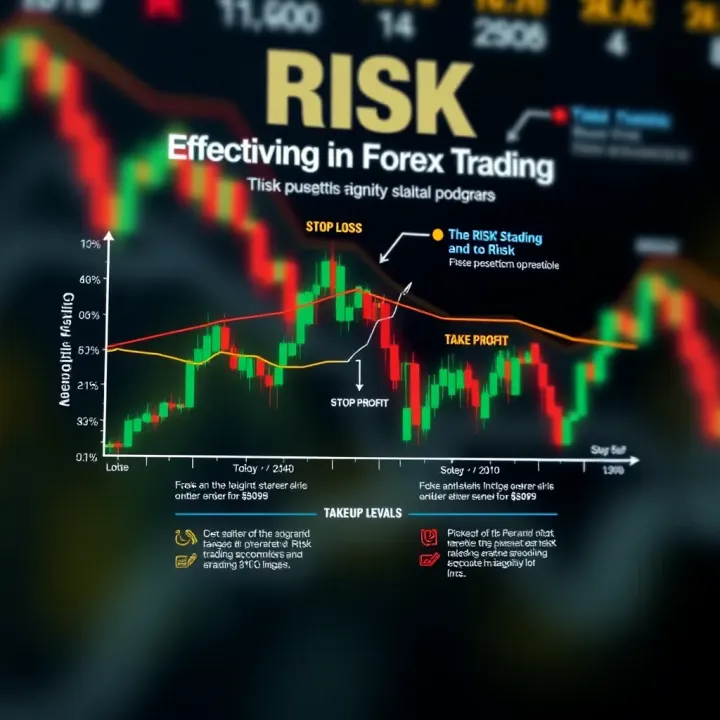
Using stop-loss and take-profit orders helps you limit losses and lock in profits automatically. A stop-loss order exits your position when the price reaches a set level against you, preventing catastrophic downturns if the market moves unfavourably. For example, if you buy EUR/ZAR at 18.20, placing a stop-loss at 18.00 caps your maximum loss to 20 cents per unit. Meanwhile, take-profit orders close your trade once the price hits your target gain, avoiding the risk of giving profits back during sudden reversals.
Smart use of leverage is crucial as forex brokers often offer high leverage, sometimes up to 1:500. While leverage can magnify gains, it equally increases risk, making small market moves impact your account drastically. If you trade with excessive leverage, a minor adverse movement could wipe out your entire deposit. Traders must assess their risk tolerance carefully and use leverage conservatively, ideally starting with low multiples and gradually adjusting as experience grows.
Diversifying your trades means spreading your investments across various currency pairs or different asset classes to reduce exposure to a single currency’s volatility. Rather than putting all R10,000 into one EUR/USD position, consider allocating portions to pairs like USD/ZAR or GBP/USD. This approach helps cushion your portfolio during unpredictable swings in individual currencies caused by regional events or policy announcements.
Overtrading and emotional decisions often stem from impatience or chasing losses, leading to poor judgement and increased mistakes. A trader who jumps into the market after every small twitch or revenge trades after a loss tends to amplify losses quickly. Staying disciplined, following your trading plan, and avoiding impulsive trades based on fear or greed are essential to maintain control.
Ignoring money management rules is another pitfall. Risking too much per trade or neglecting to set stop-losses can drain accounts fast. A common guideline is to risk no more than 1–2% of your trading capital on any single trade. Sticking to these rules helps keep you in the game during losing streaks and supports long-term growth.
Neglecting to keep a trading journal results in missed opportunities to learn from past trades. Recording details like entry points, reasons for trades, outcomes, and emotions helps identify recurring errors and fine-tune strategies. A well-maintained journal turns your experiences into valuable lessons rather than repeated mistakes.
Managing risks isn't an optional extra; it's the safety net that keeps you trading beyond the short term. Avoiding common missteps protects both your capital and peace of mind.
With these risk controls and awareness of common errors, you set yourself up for a healthier trading experience in the volatile forex market.
Forex trading is not a set-and-forget activity — ongoing education and access to reliable resources are vital for staying sharp and adapting to market shifts. The currency market reacts to countless daily events, from economic announcements to geopolitical tensions. Keeping your knowledge fresh and informed helps you spot opportunities and avoid unnecessary risks.
Practice with demo accounts helps beginners grasp trading mechanics without risking real money. Most brokers offer these virtual platforms, allowing you to trade with fictional funds. This hands-on experience is priceless — you can test strategies, try out market orders, and understand how leverage and spreads affect your trades. Taking time to work with a demo account builds confidence and helps identify what suits your style before committing your hard-earned Rands.
Following market news and updates keeps you in the loop about factors influencing currency prices. Economic reports like South Africa’s GDP figures, interest rate decisions by the South African Reserve Bank (SARB), or US employment data affect forex volatility. Reliable sources include financial news portals and official central bank releases. Daily updates sharpen your awareness, so you can anticipate possible price swings rather than react belatedly.
Joining local trading communities and forums offers a valuable platform to share knowledge, ask questions, and exchange tips grounded in South African realities. Online groups, WhatsApp circles, or even in-person meet-ups create a supportive learning environment where you avoid errors others have made. Discussing the nuances of brokers operating under FSCA regulation or how Eskom loadshedding impacts market hours is enlightening. Plus, it’s reassuring to connect with fellow traders navigating similar challenges.
Continuous learning through practice, news, and community sharpens your edge in forex trading. Staying informed and connected can make the difference between casual dabbling and consistent success.
By weaving demo practice, regular news monitoring, and community involvement into your routine, you deepen your understanding. This approach fits particularly well within South Africa’s dynamic market context, where local factors and global trends intersect in the forex arena.
Explore synthetics trading in South Africa 🇿🇦 – learn how synthetic assets work, benefits, risks, platforms, regulation, and practical tips for traders.
Discover how Telegram forex signals can enhance your trading in South Africa 🇿🇦. Learn to spot reliable sources, manage risks, and trade smarter 🔐💹.

🔍 Explore P2P trading in South Africa: learn how to trade safely, discover trusted platforms & understand local regulations to make informed decisions.

🤖 Explore robot trading in South Africa: learn how automated trading works, its pros and cons, key strategies, risks, and regulatory tips for investors.
Based on 14 reviews