
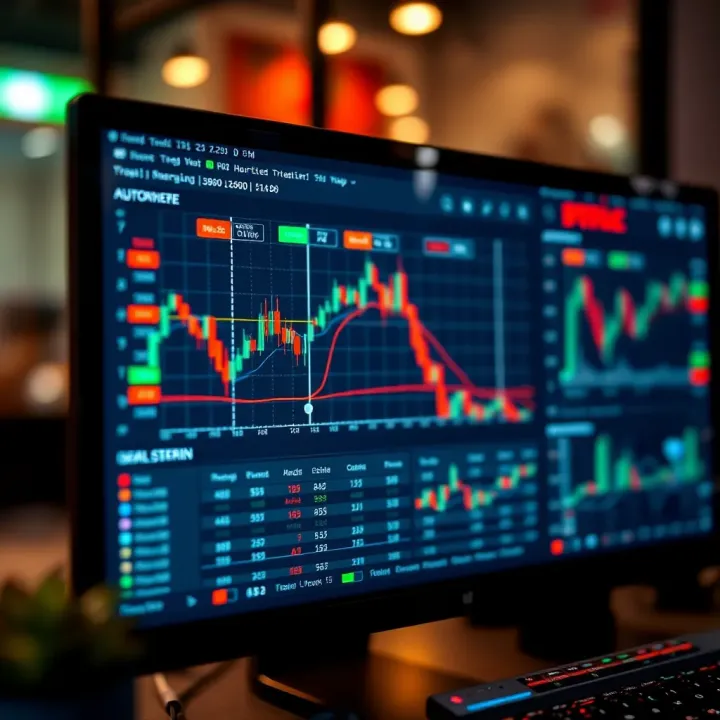
Robot Trading Apps in South Africa: A Practical Guide
🤖 Curious about robot trading apps in South Africa? Learn how they work, their benefits, risks, and get expert tips to trade safely and smartly.
Edited By
Henry Walters
Forex trading, or foreign exchange trading, involves buying and selling currencies to profit from fluctuations in exchange rates. For South African users keen to engage in forex trading, mobile apps have become a popular way to access the market on the go. These apps give you the flexibility to trade anytime, monitor positions, and react quickly to market moves without being tied to a computer.
South Africa’s forex landscape is shaped by both global market forces and local factors such as regulatory requirements from the Financial Sector Conduct Authority (FSCA) and the South African Reserve Bank (SARB). Understanding these regulations is crucial because they affect which platforms you can use and the protections available to you.

When choosing a forex trading app, focus on features that cater to beginners but also allow room to grow. Look for:
User-friendly interface: Clear, simple layout helps avoid confusion when entering trades.
Real-time price feeds: Access to the latest currency prices without delay is vital.
Secure deposit and withdrawal methods: Platforms that support common South African payment options like EFT and credit/debit cards.
Risk management tools: Such as stop-loss and take-profit orders to limit potential losses.
Most South African traders start with majors like USD/ZAR, EUR/USD, or GBP/USD because these pairs are more liquid and less prone to wild swings. Apps often provide demo accounts which let you practise with virtual cash before risking your own Rand.
Keep in mind: Forex trading carries risk, and while apps make access easy, successful trading requires diligence, strategy, and careful risk management.
Trading strategies for beginners typically focus on simple approaches like trend following or range trading. Avoid overcomplicating your methods early on.
Overall, getting familiar with forex trading apps tailored for South African users means balancing convenience with security and understanding the basics of currency markets within a local regulatory framework. This groundwork will help you trade with confidence and avoid common pitfalls.
For anyone stepping into the world of forex trading, getting a solid grasp on the basics is non-negotiable. It’s not just about knowing the jargon; understanding how the market moves and what drives profits and losses helps you make sense of what you see on your trading app. With a clear foundation, you avoid rookie mistakes and operate smarter with your capital.
The forex market is where currencies get swapped. Imagine you’re at an international holiday spot, exchanging rands for euros, but this happens on a global scale 24/5. It’s the biggest financial market worldwide, with a daily turnover hitting around $6 trillion. This scale means forex prices react fast to global news and events – a factor every trader needs to stay tuned to.
Basically, you’re trading pairs like ZAR/USD or EUR/USD. One currency is bought while you sell the other. The exchange rate changes according to supply and demand, affected by factors like interest rates, political changes, and economic performance.
Profit and loss come from these rate movements. For example, if you buy the USD/ZAR pair hoping the rand will weaken against the dollar, any rise in the exchange rate means you’re in the green. If the rate dips instead, you face a loss. It's crucial to understand this dynamic because forex trading doesn't deal with owning physical currencies – it's all about speculating on price movements.
Modern trading apps put the forex market right in your pocket. At their core, these apps let you view live currency prices, execute trades, and monitor your positions. You can open or close trades in seconds, which suits the market’s fast pace.
Most apps provide tools like price charts, indicators, and news feeds so you can analyse trends on the fly, whether you’re on a bakkie trip or waiting at the robot.
The key difference between mobile and desktop trading lies in convenience versus depth. Mobile apps excel at letting you manage trades quickly but might offer fewer advanced features than desktop platforms. Desktop tools often provide more detailed charts, complex order types, and faster execution speeds – features that serious traders could prefer for in-depth analysis.
Still, many South African traders find that mobile apps meet their needs well, especially those starting out or with limited time. Plus, the ability to use local payment methods like instant EFTs or mobile wallets inside apps means funding your account can happen in no time.
Getting comfortable with how forex trading and your chosen app work will boost your confidence and help you trade smarter, not harder.
Understanding these building blocks sets the ground for more advanced strategies and making informed decisions in your forex trading journey.
Choosing the right forex trading app goes beyond just popularity; it demands careful consideration of key features that can impact your trading efficiency and security. For South African users, the right app must blend user-friendliness with robust tools, local currency support, and compliance with regulations. This section breaks down essential features that can help you make smart, informed choices.
A straightforward interface is vital, especially for those just starting out. An app cluttered with too many options or poorly organised menus can lead to costly mistakes. Look for apps that offer clear layouts, intuitive controls, and easy access to key functions. For instance, Market Replay allows traders to navigate seamlessly between pairs without digging through complicated menus, making it easier to respond quickly in fast markets.
Forex markets move quickly, so having fresh, real-time data is non-negotiable. A good app should feed you live price updates, volatility indicators, and economic calendars without delay. Tools like candlestick charts, trend lines, and RSI (Relative Strength Index) indicators enable traders to spot entry and exit points effectively. For example, MT4’s mobile version provides comprehensive charting features that many beginners find invaluable when learning.
South African traders must ensure their data privacy is respected and protected. The Protection of Personal Information Act (POPIA) governs how trading apps handle your personal details. Reliable apps implement encryption and secure authentication, meaning your banking details and trade data remain confidential. Ignoring this could lead to data breaches or identity theft, which are serious concerns in digital finance.
Look for apps regulated by recognised authorities like the Financial Sector Conduct Authority (FSCA). Local licensing indicates the platform meets South African financial standards, including fund safeguarding and fair trading practices. Apps lacking such oversight might expose you to scams or unfair conditions. For example, some international platforms operate without FSCA approval, which could cause issues if disputes arise or if traders need recourse.
Ease of moving money in and out of your trading account is significant. The ability to deposit and withdraw in South African Rand (ZAR) helps you avoid unnecessary forex conversion fees and exchange rate risks. Many apps now support instant deposits via EFT or card payments, which can make funding your account straightforward and fast.
Support for integration with big South African banks like FNB, Standard Bank, or Nedbank, as well as popular e-wallets such as PayFast or Zapper, simplifies day-to-day transactions. It also means quicker transaction times compared to international bank transfers, which can take days. For traders managing tight timelines or quick withdrawals, these connections lessen delays and improve cash flow management.
Choosing an app with these key features tailored to South African users can save you headaches and improve your trading experience overall. Don't just look at flashy ads—examine what the app offers behind the scenes.
Selecting the right forex trading app is a critical step for any trader in South Africa. The choice affects not just convenience but also access to local features like payments in South African Rand (ZAR), compliance with local financial regulations, and support for popular mobile networks. An app that fits well with your trading style and addresses these practical needs sets you up for smoother trading and fewer headaches.
Many South Africans rely on Vodacom and MTN as their preferred mobile networks. Apps optimised for these networks ensure stable connectivity, essential for real-time forex data and order execution. For example, some trading platforms offer discounted data bundles through MTN or Vodacom, lowering your overall trading costs. Plus, integration with network banking services, like Vodacom’s M-Pesa or MTN’s Mobile Money, can make deposits and withdrawals quicker and safer.
Choosing apps that work well with your mobile provider also means you’re less likely to face lag, which can be costly in volatile forex markets. Consider apps like HotForex or IG that offer good network compatibility and mobile optimisation for South African users.
Beyond local network compatibility, many international forex apps have tailored their platforms for South African traders. These apps often accommodate ZAR accounts, accept local payment methods (EFT, credit cards linked to South African banks like FNB or Standard Bank), and comply with regional regulatory bodies.
Examples include MetaTrader 4 and 5, Plus500, and eToro, which provide global market access while supporting local nuances. Using such apps gives traders more variety in currency pairs, tools, and sometimes lower spreads, but make sure they are authorised by local financial authorities to safeguard your investments.
Fees can quickly eat into your profits, so understanding spreads and commission structures between apps is vital. Some charge tight spreads but have high commissions, while others offer zero commissions but wider spreads. For South African traders, also check if there are any hidden fees on deposits or withdrawals, especially concerning currency conversion.
Account types matter too—beginner accounts sometimes offer lower minimum deposits and provide demo modes for risk-free practice. More advanced accounts tend to offer better spreads and access to additional markets. Look out for offers from apps like IG, where personalised accounts can cater to different skill levels.
Before committing to an app, read through user reviews and join local forex trading forums or social media groups. Real experiences highlight app reliability, customer support quality, and how payouts are handled—issues not always clear from marketing materials.
Focus on feedback from South African users to get a sense of how well the app works in local conditions. Also, watch out for common complaints like difficulties with withdrawals or poor response times during market volatility. This community insight helps avoid scams or poorly serviced platforms.
Choosing the right forex trading app tailored to South African traders isn’t just about picking a popular name; it’s about matching local needs with reliable features, fair costs, and trustworthy service.
Ultimately, taking time to compare apps based on these factors can make the difference between a frustrating trading experience and one that builds your knowledge and wealth steadily.
For those stepping into forex trading, having a solid grasp of basic strategies is key to navigating the market confidently. Using apps makes trading accessible on the go, but beginners must approach this with clear techniques to manage risks and maximise potential gains. Practical strategies help new traders avoid common mistakes and build a foundation before moving to more complex tactics.
Demo accounts on forex apps simulate real trading conditions without risking actual money. This gives beginners a chance to familiarise themselves with the app’s interface, order types, and market movements. For instance, a trader might use a demo account to follow how the Rand (ZAR) performs against the US Dollar (USD) during business hours. Practising with virtual funds builds confidence and lets users test strategies without pressure, making mistakes and learning from them safely.
Trend following involves identifying a consistent movement—up or down—in currency pairs and trading along that direction. For example, if the Euro is steadily strengthening against the South African Rand, a trader might buy EUR/ZAR expecting the trend to continue. This strategy is straightforward and suits app trading since mobile tools often highlight trends visually.
Range trading comes into play when a currency pair moves between support and resistance levels without a clear direction. Beginners might wait for the price to bounce within this range and place trades accordingly. Apps enable quick detection of these levels using charts and alerts, helping traders enter and exit at suitable points.
Protecting your capital: In forex trading, safeguarding your initial investment is non-negotiable. Stop loss orders automatically close a trade when losses reach a pre-set limit, preventing further financial damage. For instance, if you buy USD/ZAR at 15.5 but want to limit losses to R200, you can set a stop loss at 15.3. This way, if the price falls, the app exits your position before losses grow unchecked.
Similarly, take profit orders lock in gains by closing trades once a favourable price target is met. Without these, emotions might tempt you to hold too long and give back profits. Using these orders through your app ensures disciplined trading—critical for beginners balancing their first trades alongside daily routines.
Setting realistic targets: Beginners often fall into the trap of aiming for massive profits quickly, but forex markets demand patience and achievable goals. Realistic targets consider current market volatility and personal risk appetite. For example, expecting a 1% daily return might be reasonable for a novice, rather than chasing 10% which rarely holds consistently.
With apps, you can set incremental take profit levels—gradually locking in profits as the market moves in your favour. This approach builds steady growth, reinforcing good habits and reducing the temptation to chase big wins recklessly.
Start small, practise consistently, and use your app’s built-in risk controls. These basics form the stepping stones towards becoming a confident trader practised in South Africa’s unique forex environment.
Managing risks is the backbone of successful forex trading, especially when using mobile apps where decisions happen fast. Without solid risk control, losses can pile up quickly. And since the forex market can swing sharply, understanding the potential pitfalls can keep your trading journey steady rather than an uphill struggle.
Leverage lets you control larger trades with a relatively small amount of capital. For example, if a broker offers 1:100 leverage, you can trade R1,000 as if it were R100,000. That sounds promising, but remember: while leverage can magnify your profits, it also blows up your losses just as fast.
A trader might open a position expecting to double their investment, but if the market moves against them by just 1%, their entire capital could vanish. This is why many seasoned traders caution against using high leverage levels, especially beginners. Always check the leverage limits your South African broker offers and start low, maybe at 1:10 or even less, until you properly grasp the risks.
Scams are rife in forex trading, and South African users should be especially careful with apps that promise guaranteed profits or use aggressive marketing tactics. Red flags often include:
Asking for unusually large deposits upfront
Lack of a valid licence from the Financial Sector Conduct Authority (FSCA)
No clear contact details or customer support
Unrealistic return claims (like doubling your money within days)
Legitimate apps will have clear regulatory information and transparent fee structures. Avoid any platform that pressures you to deposit quickly or isolates you from external advice.
On top of that, always download apps from official sources like Google Play or Apple’s App Store, not through shady links or adverts.
If you suspect you've come across a fake trading app, it's crucial to stop trading immediately and protect your personal data.
Reporting to local authorities is a key step to help protect others. The FSCA oversees forex brokers and takes complaints seriously. You can submit reports about suspicious activity or unauthorised platforms directly with them. Additionally, South Africa’s cybercrime units handle financial fraud cases, so reaching out to the South African Police Service’s cybercrime division is advisable.
Filing a complaint not only aids investigations but can also sometimes result in your funds being recovered. Always keep records of all communication and transaction details for reporting purposes.
Forex markets rarely obey anyone’s wishes, and it’s easy to get caught up if your trades start hitting losses or gains unexpectedly. Fear and greed are probably the biggest enemies of any trader.
A practical approach to managing emotions is sticking to a well-thought-out trading plan, which includes pre-decided entry and exit points as well as risk limits. Using stop loss and take profit orders can help automate this, removing guesswork when momentum shifts.
If a string of losses happens, don’t chase those losses by increasing stakes impulsively—a common mistake known as "martingale". Stepping back for a breather, reviewing your strategy, or even taking a short break can prevent emotional decisions from wrecking your account.
In the end, trading is as much about discipline and mindset as it is about market knowledge. Managing risks and avoiding common pitfalls sharply increase your chances of sustainable success in forex trading using apps.
🤖 Curious about robot trading apps in South Africa? Learn how they work, their benefits, risks, and get expert tips to trade safely and smartly.

🔍 Explore P2P trading in South Africa: learn how to trade safely, discover trusted platforms & understand local regulations to make informed decisions.

🤖 Explore robot trading in South Africa: learn how automated trading works, its pros and cons, key strategies, risks, and regulatory tips for investors.
🤖 Explore how robot trading automates forex deals using algorithms, plus tips on pros, risks, and regulation for South African traders.
Based on 14 reviews