
Choosing the Best Online Trading Apps in South Africa
Discover how to choose and use online trading apps in South Africa 🇿🇦 with smart tips on security, features, and regulations for safer, confident trading 📱💼.
Edited By
Isabella Rivers
Trading apps have truly reshaped how South Africans manage their investments. These platforms offer easy access to the JSE (Johannesburg Stock Exchange) and other global markets, allowing you to buy and sell shares, track your portfolio, and stay on top of market moves with just a few taps on your mobile.
Choosing the right app is more than just picking one that looks good or offers flashy features. You need to consider factors such as fees, ease of use, customer service, security measures, and the range of available investment options. For instance, apps like EasyEquities have lowered the entry barriers dramatically by allowing fractional share purchases, while others like Standard Bank Online Trading cater to those preferring a more traditional approach.
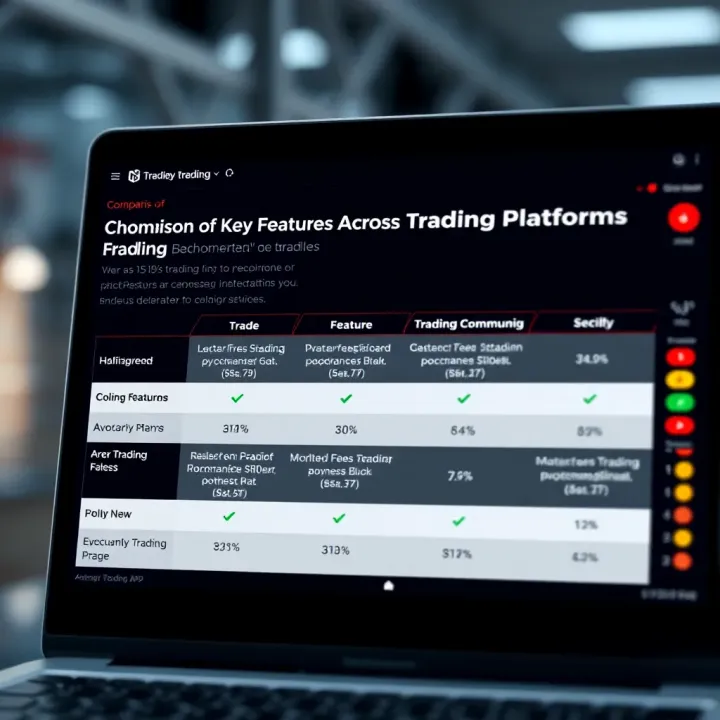
Accessibility matters too. A good trading app must work well on your mobile and desktop, be responsive even during peak times, and provide quick access to real-time data. This is particularly important during periods of high market volatility or Eskom loadshedding, when slow app performance could mean missing out on a key trade.
Security cannot be overlooked either. Look for apps that comply with South Africa’s Protection of Personal Information Act (POPIA) and employ measures such as two-factor authentication and encrypted transactions. This helps protect your funds and personal details from fraud.
With many trading apps on the market, your choice should focus on platforms that combine low costs, robust security, and user-friendly interfaces—plus local support suited to South African investors.
To sum up, selecting the best trading app in South Africa depends on aligning the app’s features with your investment style, comfort with technology, and budget. In the next sections, we'll compare popular apps on these criteria to help you make a confident choice and start investing smarter today.
Choosing the right trading app can make a real difference when managing your investments in South Africa. It’s not just about picking a popular platform; you need to consider what actually suits your trading style, security expectations, and budget. A good app should combine intuitive design, solid security, reasonable costs, and a decent range of investment options. Thinking through these aspects helps you avoid costly mistakes and ensures you stay confident while trading.
Ease of navigation is critical, especially if you’re new to investing or prefer quick trades. A cluttered app makes it harder to find key features like your portfolio overview, order placement, or market news. For example, EasyEquities is known for a clean layout where you can locate shares, search for ETFs, or check balances in just a few taps. This reduces the chance of errors during fast decisions.
Mobile and desktop usability matters because many traders switch between devices. Your app should sync smoothly so you can start research on a desktop and execute trades on your mobile without fuss. If you’re often on the go, mobile responsiveness and fast load times matter. Conversely, desktop versions might offer deeper chart analysis or bigger screens for complex decisions. Think about your daily routine before committing.
Customisable features let you set preferences like watchlists, alerts, or order types that match your trading goals. For instance, setting price alerts can help catch opportunities during volatile market hours without staring at the screen constantly. Some apps let you tweak dashboard layouts to highlight what matters most — for day traders that might be real-time charts, whereas long-term investors prefer portfolio summaries.
The Financial Sector Conduct Authority (FSCA) regulates financial services to protect South African investors. Choosing an app authorised by the FSCA means it adheres to local rules on fair trading and client protection. Beware of platforms without this regulation, as they might expose your funds or data to undue risk.
Data protection measures should be robust given how sensitive trading details are. Look for apps that encrypt data traffic and store personal information securely. This protects against hackers and leaks, especially vital in an environment where mobile networks can be prone to breaches.
Two-factor authentication (2FA) adds an extra layer of security by requiring a second verification step beyond your password. Whether via SMS code or authenticator apps, 2FA keeps your account safe even if your password is compromised. This feature is increasingly a must-have in South African trading platforms.
Commission structures might seem straightforward, yet they can vary widely. Some apps charge a flat fee per trade, others a percentage of the trade value. For example, an R50 flat fee might feel fair for a R5,000 trade but expensive for R500. Understanding these details helps you avoid unnecessary charges that eat into your profits.
Account fees include monthly custody or inactivity charges. If you’re a casual investor, an app that charges these fees may not make sense. On the other hand, frequent traders might benefit from platforms with no monthly fees but slightly higher per-trade costs.
Currency conversion costs come into play if you invest in international stocks or ETFs priced in foreign currencies. These fees can add up, so check if your app offers competitive exchange rates or even zero conversion for specific markets.
Many South African traders start with shares, ETFs (Exchange-Traded Funds), and unit trusts as core options. Shares give direct ownership, ETFs offer broad exposure with lower fees, and unit trusts provide managed portfolios for those wanting hands-off investing.
For the more adventurous, forex and derivatives trading can open doors to profit from currency fluctuations or leverage bigger positions. However, these products carry higher risk and require apps that offer reliable execution and risk management tools.
Finally, cryptocurrency access is growing in popularity locally, though still niche. Some trading apps now offer Bitcoin, Ethereum, and other coins. Before diving in, make sure your chosen app properly safeguards digital assets and complies with South African regulations to reduce fraud risk.
Picking a trading app with the right mix of usability, security, fees, and investment choices sets you up for smarter, safer trading in South Africa’s evolving market environment.
Choosing the right trading app in South Africa means considering the popular platforms that locals trust and use regularly. Each brings something different to the table—whether it's a beginner-friendly interface, access to international markets, or robust research tools. Knowing which apps suit your trading style and needs will save you time and may improve your trading results.
EasyEquities stands out by making the stock market approachable, especially for those just starting out. Its straightforward design removes much of the jargon and complexity typical of trading, making it a breeze to buy fractional shares. This suits new investors who might not have large amounts to commit but want to start building a portfolio.
Besides its user-friendly approach, EasyEquities offers solid access to key local shares on the JSE (Johannesburg Stock Exchange). This gives South African investors a practical way to invest in familiar companies while also offering some exposure to international markets, allowing for diversification without complicated processes.
One of EasyEquities’ selling points lies in its simple and transparent fees. The platform charges no monthly fees, and the cost per trade is minimal, making frequent transactions more affordable. New investors appreciate this since it keeps costs low, helping them grow their investments without worrying about fees eating into gains.
Standard Bank Webtrader benefits clients by linking seamlessly with their banking accounts. This integration means funding your trading account, transferring funds, or managing both banking and investments under one roof is hassle-free—a convenience that encourages more frequent trading and better cash flow management.
The platform also provides practical research tools, such as market news updates, company reports, and technical analysis charts. Traders who rely on in-depth information to time their trades find these features highly valuable, especially since they can make smarter decisions without leaving the app.
While Standard Bank Webtrader has a competitive fee framework, it does impose minimum trade values that might not appeal to those wanting to invest small amounts. Moreover, commission on trades tends to be higher than newer platforms targeting beginners, so it suits those who trade reasonably regularly and in larger volumes.
IG South Africa caters to more advanced traders by offering access to forex (foreign exchange) and CFDs (contracts for difference). This opens opportunities for speculative trading beyond shares, letting users bet on price movements without owning the underlying asset, a popular feature among day traders.
IG goes beyond trading by providing solid education materials, such as webinars, trading guides, and market analysis. These help traders, especially those new to forex and derivatives, to understand risks and strategies better, positioning them to make more informed moves.
The IG platform is packed with features like real-time pricing, customizable charts, and risk management tools. It supports multiple device types, ensuring users can trade on the go or from their desktop comfortably. Fast execution speeds with these tools matter to those who need to react quickly to market changes.
FNB Stockbroking offers a trusted choice for clients already banking with FNB, providing integrated services and solid customer support. The platform is stable and offers access to JSE shares but tends to suit those comfortable with traditional trading styles rather than beginners.
SA Share Trading focuses on local market expertise alongside a user-friendly online platform. It appeals to investors looking for a balance between cost-effective trading and access to quality advisory services, though it may lack some international options.
DEGIRO expands opportunities for South Africans wanting low-cost access to global stock exchanges. Known for its low fees and wide range of markets, it suits investors aiming to diversify beyond the JSE, especially those comfortable navigating a more complex platform.
Picking a trading app depends on your specific needs—whether it's ease of use, access to certain markets, or cost—and understanding each platform’s stand-out features helps you make a smart choice.
When selecting a trading app, understanding your trading goals is key. The features you need will vary depending on whether you’re just starting out, have years of experience, or plan to invest for the long haul. Tailoring your app choice to your objectives can save you time, money, and frustration.
Low minimum investments help beginners ease into the market without risking too much upfront. Some apps like EasyEquities allow you to buy fractional shares or invest with as little as a few rand. This means you can build confidence and learn the ropes gradually without tying up large sums.
Educational support is crucial for new traders who may not yet grasp market mechanics or terminology. Look for apps that offer tutorials, videos, or access to expert advice. This guidance can sharpen your understanding and prevent costly mistakes early on. For example, some platforms provide explanations alongside charts or simulated trading to practise.
Simple interfaces keep things straightforward and reduce overwhelm. New traders benefit from clean layouts, intuitive navigation, and clear labelling so they can focus on learning rather than battling complex menus or jargon. An app that prioritises usability helps users stay engaged and confident.
Advanced charting and analytics are essential tools for those who want to spot trends, assess risks, and time trades precisely. Features like candlestick charts, multiple indicators, and real-time data delivered smoothly can give experienced traders an edge. Platforms such as IG South Africa offer these capabilities, helping users analyse the market better.
Access to international markets widens trading opportunities beyond the JSE. If you want to diversify across global stocks, ETFs or forex pairs, ensure the app supports these. Having quick entry to US exchanges or European markets means you can find pockets of value wherever they arise.
Fast execution speed matters when dealing with high-frequency or time-sensitive trades. Delays can cost money, especially for day traders or those using derivatives. A reliable app with low latency and robust infrastructure ensures orders process quickly and accurately.
Dividend reinvestment options help investors grow wealth steadily without manual effort. Choosing apps that automatically reinvest dividends into additional shares can amplify compounding returns over time, reducing the hassle of managing payouts.
Lower fees for frequent trading suit investors who adjust their portfolios regularly. High costs can erode gains if you trade often. Look for platforms that offer discounted rates or subscription plans that bring down commission and administrative fees.
Portfolio tracking tools keep long-term investors informed about their asset allocation, performance, and risk exposure. Features like alerts, detailed reports, and consolidated views enable smarter decisions and easier adjustments in line with shifting goals.
Selecting a trading app aligned with your specific goals ensures you only pay for the tools you need while maximising your chances of success in South Africa’s markets.
Using trading apps in South Africa comes with its unique set of challenges and practical aspects that investors should keep in mind. These range from managing data costs on mobile devices, navigating power disruptions caused by loadshedding, to understanding the local banking environment for payments and account funding. Additionally, tax and regulatory requirements are vital for legal and efficient trading. Let’s break down these topics to see how they impact your trading experience.
Data costs in South Africa can add up quickly, especially if you’re using trading apps frequently while on the move. South African mobile data is often more expensive than in many other countries, so keeping an eye on how much data your app consumes is crucial. Choose apps that are data-efficient and avoid streaming large videos or unnecessary graphics within them. Some traders opt to use free Wi-Fi spots cautiously, but on mobile data, look for apps that offer compressed data usage or settings to reduce background activity.
A number of trading apps offer light versions or offline modes that help reduce data reliance. These versions typically allow you to view cached information or place orders without needing constant connectivity. For instance, accessing portfolio summaries or saved charts without draining data provides flexibility. This is especially handy in South Africa, where internet stability can vary between urban and rural areas.
Loadshedding affects millions in South Africa, cutting power and sometimes disrupting internet access. Trading apps that support low data modes or delayed order processing can help you avoid missed opportunities during outages. Additionally, using a mobile device with a backup power source like a power bank or solar charger ensures you stay connected longer during power cuts. Planning around loadshedding schedules also reduces surprises during critical trading hours.
Most South African trading platforms support direct bank transfers to fund your trading account. This method is straightforward, using the country’s widely accessible EFT system through banks like FNB, Absa, or Standard Bank. Transfers are generally secure and free or low cost when done within the same bank. However, inter-bank transfers may take several hours or even a day depending on the time and day, so timing your deposits is important to avoid delays in placing trades.
Mobile wallets such as SnapScan, Zapper, or even MTN Mobile Money are increasingly popular in South Africa. Some trading apps have started integrating these wallets to allow seamless funding and withdrawals. This option is convenient, especially if you prefer managing finances through your mobile device and want quicker transfers without traditional bank delays. However, not every broker supports this, so check if your chosen app allows mobile wallet top-ups.
If you trade on international markets or invest in foreign assets, currency conversion fees become relevant. Most South African trading apps will convert your Rand when buying or selling shares listed on foreign exchanges. These fees vary and can add up, slicing into your returns. For example, buying US-listed shares might involve paying both a conversion fee and an international broker fee. Comparing these costs across apps can save you money and improve your overall investment returns.
Capital Gains Tax (CGT) applies to profits made from selling assets like shares. In South Africa, 40% of the net gain is included in your taxable income and taxed at your normal rate. It’s essential to keep detailed records of your trades and purchase prices to calculate CGT correctly when you file returns with SARS. Many trading apps provide annual tax statements, but it’s your responsibility to report accurately.
South African Revenue Service (SARS) requires you to declare earnings from investments and trading activities. If you trade frequently or earn dividends, keeping up with SARS reporting is vital to avoid penalties. Some trading apps assist by offering downloadable reports and summaries compatible with SARS submissions. Still, you should consult a tax professional if you’re unsure about declaring your trading income.
The Financial Intelligence Centre Act (FICA) means trading platforms must verify your identity to prevent fraud and money laundering. Expect to submit documents like your ID or proof of address when opening an account. Meanwhile, the Protection of Personal Information Act (POPIA) ensures your personal data is handled responsibly. Choose apps committed to complying with these laws to keep your information safe and legal.
Practical realities like data costs, payment methods, and tax requirements can shape your trading success just as much as market knowledge. Being prepared helps you avoid common pitfalls and trade with confidence in the South African environment.
By understanding and planning for these practical elements, you set yourself up for a smoother experience with your trading app, navigating local specifics efficiently and securely.
Starting your trading journey on the right foot means taking steps to protect your funds and build solid habits. Trading apps make access easy, but that ease can lead to rushed decisions or security slip-ups. Paying attention to safety tips from the outset safeguards your investment and helps you trade smarter.
Using demo accounts where available lets you practise without risking real cash. Many South African platforms like EasyEquities or IG offer these sandboxes where you can explore buying and selling shares or forex with virtual money. This hands-on trial sharpens your skills and familiarises you with app interfaces, so you avoid costly mistakes when real money is on the line.
Following reputable financial advice means seeking insights rather than hearsay. In South Africa, you can tap into advice from registered financial advisers or trusted sources such as Moneyweb or the JSE website. Being selective helps you sort the wheat from the chaff when it comes to trading tips. Remember, what suits one trader may not match your goals or risk appetite.
Avoiding impulsive trades is key to keeping losses in check. It’s tempting to jump at every market twitch, especially when the markets move fast, but patience pays. Set clear entry and exit rules for your trades, and stick to them. For instance, avoid buying shares just because of hype on social media; take time to weigh fundamentals and market conditions before acting.
Avoid sharing passwords with anyone, no matter how trustworthy they seem. South African scammers often use phishing attacks targeting trading apps to get login details. Treat your login as you would your banking PIN. Use a strong password and change it regularly.
Check app authenticity before downloading or making trades. Only use official apps from recognised brokers available on trusted stores like Google Play or Apple App Store. Fake apps designed to steal user data have been reported. Double-check the developer's name and user reviews to spot any red flags.
Monitor accounts for suspicious activity daily or weekly. Unfamiliar trades or logins may signal a breach. Many platforms offer alerts for unusual activity via SMS or email—activate these to catch problems early. Quick action can limit losses and stop identity theft.
Following market news through trusted sources like BusinessTech or Bloomberg helps you stay informed. Trading in South Africa reflects global events and local issues like loadshedding or political shifts. A well-informed trader makes better decisions.
Keeping apps updated is more than just getting new features; it patches security loopholes. Developers release regular updates to protect against evolving cyber threats. Neglecting updates increases your vulnerability.
Joining local investment communities adds a social layer of learning. Forums, WhatsApp groups, or meet-ups where South African investors share experiences can provide practical insights that charts and data miss. They also help you stay motivated and disciplined as you grow your trading skills.
Taking these safety steps seriously isn't just about avoiding losses — it's about building a solid base for lasting success in the markets. Start smart, trade safe, and keep learning.
Discover how to choose and use online trading apps in South Africa 🇿🇦 with smart tips on security, features, and regulations for safer, confident trading 📱💼.

🔍 Explore P2P trading in South Africa: learn how to trade safely, discover trusted platforms & understand local regulations to make informed decisions.

🤖 Explore robot trading in South Africa: learn how automated trading works, its pros and cons, key strategies, risks, and regulatory tips for investors.

🤖 Explore how robot trading automates forex deals using algorithms, plus tips on pros, risks, and regulation for South African traders.
Based on 6 reviews