
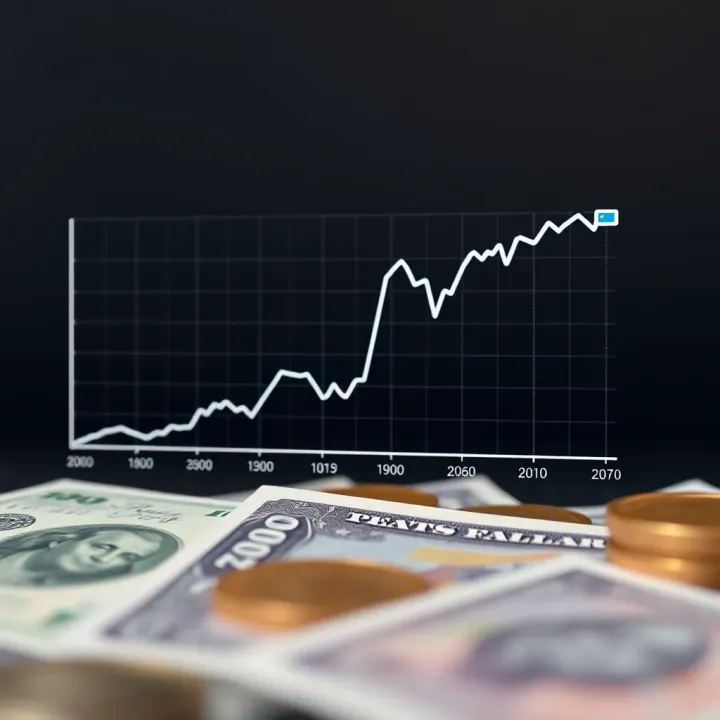
Rand to Dollar Forecast: What’s Next for South Africa’s Currency?
📊 Explore future trends of the South African Rand 🇿🇦 against the US Dollar 💵 with expert insights on economics, geopolitics, and market moves.
Edited By
James Clark
The dollar-rand exchange rate moves daily, influenced by both local South African factors and global developments. For traders and investors, understanding these influences helps navigate currency fluctuations and manage risks effectively.
South Africa’s economy, with its dependence on commodity exports like platinum and gold, often feels the impact of global demand shifts. If demand for these resources drops, the rand tends to weaken against the dollar. On the other hand, a healthy export market can strengthen the rand, especially when commodity prices rise.

Domestic issues also play a role. Persistent load shedding disrupts manufacturing and services, denting investor confidence and sometimes pushing the rand down. Political uncertainty or delays in economic reforms affect business sentiment, which can have a ripple effect on currency value.
Internationally, US Federal Reserve interest rate changes often cause ripples in the rand-dollar pair. When the Fed hikes rates, the dollar tends to pull strength, making imports more expensive for South Africa and putting pressure on the rand. Meanwhile, developments in China — a major trading partner — also influence the rand due to its impact on commodity demand.
Reliable dollar-rand forecasts aren’t about predictions but informed estimations based on economic data, political news, and market sentiment.
Forecasting involves analysing indicators such as consumer inflation rates, GDP growth figures, and trade balances. For instance, if South Africa’s inflation rises sharply compared to the US, the rand could weaken, given the potential rise in local interest rates to counter inflation.
Traders can access forecasts from banks like Standard Bank or investment firms, but it’s wise to use multiple sources. Staying updated with events, including SARB (South African Reserve Bank) monetary policy statements and global economic news, provides context to these forecasts.
Managing currency risk includes tools such as forward contracts or options, especially for businesses importing goods or investors with cross-border portfolios. Understanding the dollar-rand outlook can guide decisions — whether to hedge against potential losses or capitalise on favourable shifts.
This section sets the stage for deeper insights into the main drivers behind the dollar-rand forecast and practical ways to respond to currency moves.
The value of the dollar against the rand doesn't move on a whim. It responds to several key factors that shape investor sentiment and economic fundamentals. Understanding these factors not only helps traders and investors make sense of market fluctuations but also informs financial analysts looking to model future trends. The dollar-rand pair is particularly sensitive due to South Africa's emerging market status and its integration with global trade and finance.
Inflation rates influence currency value because they affect purchasing power and monetary policy decisions. For instance, if South Africa experiences higher inflation compared to the US, the rand tends to weaken against the dollar since rising prices can erode the rand's value. Recently, persistent inflation pressures in South Africa have made SARB (South African Reserve Bank) lean towards tightening monetary policy, which can stabilise the rand.
Interest rates set by SARB and the US Federal Reserve directly impact capital flows. When SARB raises its benchmark rate, South Africa becomes more attractive for investors seeking higher yields, supporting the rand. Conversely, if the Federal Reserve hikes rates aggressively, it can strengthen the dollar as global capital shifts toward the US. The tug-of-war between these two central banks often dictates short- to medium-term movements in the exchange rate.
South Africa's GDP growth relative to US economic growth also matters. When the South African economy expands robustly, it signals strength and can boost the rand. But if the US economy outpaces South Africa significantly, capital might prefer US assets, weakening the rand. For example, uneven economic recovery post-Covid saw the dollar gain ground as the US grew faster than South Africa.
Government policies and stability form the bedrock of investor confidence. Predictable regulatory environments and sound fiscal management encourage foreign investment, which supports the rand. In contrast, policy uncertainty or government missteps can spook investors and drive rand weakness.
Election cycles stir up uncertainty. Businesses and investors often approach elections with caution due to potential shifts in policy direction or leadership. The run-up to South Africa's 2019 elections resulted in rand volatility as the market weighed the possible impacts of different government outcomes on fiscal discipline and reform.
Social unrest and labour strikes have immediate and tangible effects. Consider the frequent strikes in the mining sector — a key part of South Africa’s export economy — which disrupt operations and exports, weakening the rand by hurting trade balances and investor sentiment.
South Africa is a commodity exporter, so global prices of key goods like gold, platinum, and coal closely tie into the rand’s strength. When commodity prices rise, rand usually strengthens because exporters earn more foreign currency. A slump in metal prices, on the other hand, takes a toll on the currency.
The US dollar’s strength reflects global risk sentiment. In times of uncertainty, the dollar often benefits as a safe haven, which can cause the rand to weaken. For example, geopolitical tensions tend to boost the dollar while the rand suffers due to perceived emerging market risks.
International trade flows and agreements influence demand for the rand when importing or exporting across borders. Shifts in trade tariffs or agreements can alter these flows, affecting the currency through imbalances in supply and demand for rand versus dollars.
In sum, the dollar-rand exchange rate is shaped by a mix of domestic economic health, political stability, and broader global trends. Keeping an eye on these factors helps traders and investors navigate the often choppy waters of this exchange rate pair.
Understanding the current economic environment helps explain the dollar-rand exchange rate’s recent shifts. Various domestic and global factors influence demand for the rand and the US dollar, directly affecting investors’ confidence and trading strategies.
South Africa’s ongoing loadshedding has put a brake on economic growth, hitting manufacturing, retail, and service sectors hard. Frequent power cuts disrupt production schedules, increase business costs, and reduce investor confidence. For forex traders and investors, this uncertainty often translates to rand weakness as foreign capital tends to favour more stable environments.
A practical example is the manufacturing sector in Gauteng whose output has dropped in the past quarters due to interrupted production lines. This decline directly impacts South Africa’s GDP growth, making the rand vulnerable to depreciation against the dollar.
Rising inflation, mainly driven by food and fuel prices, erodes household purchasing power. Persistent inflation pressure forces the South African Reserve Bank (SARB) to adjust interest rates, which in turn affects currency flows. Traders watch these signals closely because higher interest rates can support the rand by attracting yield-seeking capital.
For instance, when inflation exceeds the SARB’s target range, the bank typically raises rates to stabilise prices. However, this can also slow growth, which complicates the currency outlook. For everyday South Africans, this environment translates to more expensive essentials and tighter budgets.

South Africa’s trade balance and foreign currency reserves offer insight into external demand for the rand. A positive trade balance, boosted by commodity exports like gold and platinum, increases foreign inflows and supports the rand. Conversely, a deficit can weaken the currency.
Foreign reserves act as a buffer against shocks. When reserves are sufficient, SARB can intervene to smooth excessive currency swings, providing confidence to traders. In 2023, South Africa’s reserves held steady at around R200 billion, which traders monitor as a sign of economic resilience amid global volatility.
Changes in US interest rates heavily influence the dollar-rand rate since higher US rates tend to strengthen the dollar, pulling capital away from emerging markets like South Africa. SARB’s reaction—whether to follow with rate hikes or hold steady—affects rand strength.
For example, when the US Federal Reserve raised rates in 2023, SARB initially held rates to support growth but then raised them to curb rand depreciation. This tug-of-war shapes exchange rate forecasts and trading decisions.
Geopolitical risks, such as tensions in Eastern Europe or trade disputes, increase risk aversion globally. Investors typically move funds to safe havens like the US dollar during such times, pressuring emerging market currencies including the rand.
This risk sentiment dynamic means that even local positive developments can be overshadowed if global tensions rise. For traders, keeping an eye on geopolitical news is as important as local fundamentals.
South Africa’s economy is tied closely to commodities like platinum, gold, and coal. Strong demand and price hikes in these commodities bolster export revenues and support the rand.
For example, a jump in platinum prices in 2023 helped offset some rand weakness despite domestic challenges. Conversely, a slump in commodity prices can quickly erode the rand’s value as export earnings decline.
Monitoring these economic indicators in real time helps traders and investors anticipate currency movements and adjust their strategies accordingly. The interplay of local economic health and global factors creates a complex but navigable environment for the rand’s outlook.
Understanding how to interpret and use dollar-rand forecasts is essential for traders, investors, and financial analysts aiming to make informed decisions. These forecasts aren’t crystal balls but tools that help anticipate likely currency movements based on a mix of data and market behaviour. Using them wisely allows you to manage risks and time trades better amid South Africa’s often volatile exchange rates.
Technical analysis involves examining past price movements and chart patterns to predict future trends. Traders often look at support and resistance levels, moving averages, and other indicators to spot entry or exit points. For example, spotting a consistent pattern where the rand weakens against the dollar at a certain threshold can guide buying or selling decisions.
However, technical analysis doesn’t consider the underlying economic or political factors, so sudden events like a SARB interest rate change or political unrest can throw predictions off. It works best when combined with other approaches.
Fundamental analysis looks at economic data and events driving currency values, such as inflation rates, GDP growth, and central bank policy. For instance, if the South African Reserve Bank is expected to raise rates to combat inflation, this typically strengthens the rand against the dollar. Investors watch these indicators closely to gauge currency direction over weeks or months.
Still, fundamentals can be slow to influence markets or overshadowed by global risk sentiment, so relying solely on fundamentals might miss short-term shifts.
Market sentiment reflects traders’ mood and reactions to news, often causing rapid fluctuations. A sudden statement from the Federal Reserve or unexpected social protest in Johannesburg can shift sentiment, leading to quick rand swings against the dollar.
While harder to quantify, following reliable news sources and social media chatter helps anticipate sentiment-driven moves. Sentiment often amplifies trends, so understanding it alongside technical and fundamental analysis sharpens your view.
Local banks like FNB, Absa, and Standard Bank publish forecasts based on detailed economic models and insider knowledge of South African markets. Their reports often blend SARB insights with global trends, providing forecasts grounded in local realities.
These resources are useful because they consider factors unique to South Africa, such as loadshedding schedules and political developments, which international forecasts might overlook.
Platforms like Bloomberg, Reuters, and CNBC offer up-to-the-minute currency forecasts, economic analysis, and news on global drivers affecting the rand-dollar pair. They provide context on US Federal Reserve moves or commodity price shifts that impact the rand.
Their breadth and speed keep users informed on worldwide factors, but they may not always capture South African-specific nuances.
Sites dedicated to forex trading, such as DailyFX or Investing.com, combine charts, technical indicators, and expert commentary. They often feature user-friendly tools and alerts on key events influencing the dollar-rand exchange rate.
For traders focused on quick decisions and tactical moves, these platforms can be especially helpful.
Hedging instruments like forward contracts or options let businesses and individuals lock in exchange rates, protecting them from unfavourable swings. For example, an importer expecting to pay in dollars three months ahead might fix the current rate, avoiding surprises if the rand weakens.
While hedging has costs, it provides certainty in budgeting and protects margins amid unpredictable currency shifts.
Using forecasts to time when to convert currencies can save or lose thousands of rands. If analysis suggests the rand will weaken, delaying a dollar purchase could mean paying more later. Conversely, if forecasts indicate rand strength, accelerating purchases might be wise.
However, forecasts are not guarantees. It’s wise to combine timing with risk management, avoiding exposure to sudden shocks.
Currency forecasts should integrate into overall financial strategies, such as investment planning or budgeting for imports and exports. They help businesses anticipate costs and revenues accurately and allow investors to adjust portfolios considering currency risk.
A manufacturing firm might use forecasts to decide on capital expenditure in foreign currency, while an investor could rebalance forex exposure based on predicted rand trends.
Interpreting dollar-rand forecasts well isn’t just about predicting numbers. It’s about understanding the interplay of economic data, market behaviour, and practical risks to make choices that keep your financial goals on track.
Focusing on what lies ahead helps traders and investors make more informed moves in a volatile market like the dollar-rand exchange. Predicting currency shifts involves paying attention not just to past and present events but also to upcoming data releases, policy announcements, and political changes that may sway the rand’s value. Knowing which factors to monitor can improve risk management and open up opportunities to capitalise on currency fluctuations.
The South African Reserve Bank (SARB) regularly announces interest rate decisions and monetary policy updates that directly influence the rand. When SARB raises rates, it tends to bolster the rand because higher yields attract foreign investors seeking better returns. On the flip side, cutting rates can weaken the currency.
For instance, if inflation is creeping above SARB's target range, a hawkish stance with rate hikes is likely, supporting the rand. Traders keep a keen eye on these statements and the accompanying inflation outlook, adjusting their positions to anticipate market reactions.
The US Federal Reserve's monetary policy also plays a big role since the rand is often priced against the US dollar. If the Fed decides to tighten monetary policy by increasing interest rates, the dollar usually gains strength. This, in turn, can put downward pressure on the rand as capital flows towards higher-yielding US assets.
Moreover, the minutes of Fed meetings and commentary on economic conditions offer clues about future policy moves. Market players in South Africa use this information to assess potential volatility in USDZAR and plan their currency exposure accordingly.
Political stability is crucial for investor confidence in any emerging market. Upcoming elections, shifts in government policies, or leadership changes can impact market sentiment and the rand’s outlook.
For example, tense periods before national elections often bring volatility, with the rand sometimes weakening on uncertainty. Similarly, major policy reforms affecting business or trade conditions can sway investor behaviour, influencing capital inflows and the exchange rate.
Persistent loadshedding (scheduled power outages) disrupts production and scares off foreign investments, pressuring the rand. Companies face higher operating costs and uncertainty, often resulting in slower economic growth.
However, if government initiatives start easing these energy constraints, it can boost confidence and strengthen the rand. Keeping tabs on energy sector developments is thus vital for anticipating currency movements.
South Africa’s economy and currency are closely tied to commodity prices such as gold, platinum, and coal. A rise in global commodity prices tends to support the rand as foreign buyers pay in dollars, increasing demand for local currency when those earnings are repatriated.
Conversely, a dip in prices can drive the rand lower. For example, a slump in platinum prices can signal trouble for the mining sector, dragging the rand down as export earnings fall.
Capital flows into and out of emerging markets like South Africa reflect global risk appetite. When investors feel confident, money flows into emerging markets, bolstering currencies like the rand.
But during bouts of risk aversion—say due to global uncertainty or tightening liquidity—capital flees to safe havens, usually the US dollar, causing the rand to weaken. Tracking shifts in emerging market investments helps predict sudden moves in the exchange rate.
Staying ahead means watching a combination of economic indicators, political shifts, and global trends. By focusing on these factors, traders and investors can better navigate the ups and downs of the dollar-rand exchange rate.
📊 Explore future trends of the South African Rand 🇿🇦 against the US Dollar 💵 with expert insights on economics, geopolitics, and market moves.
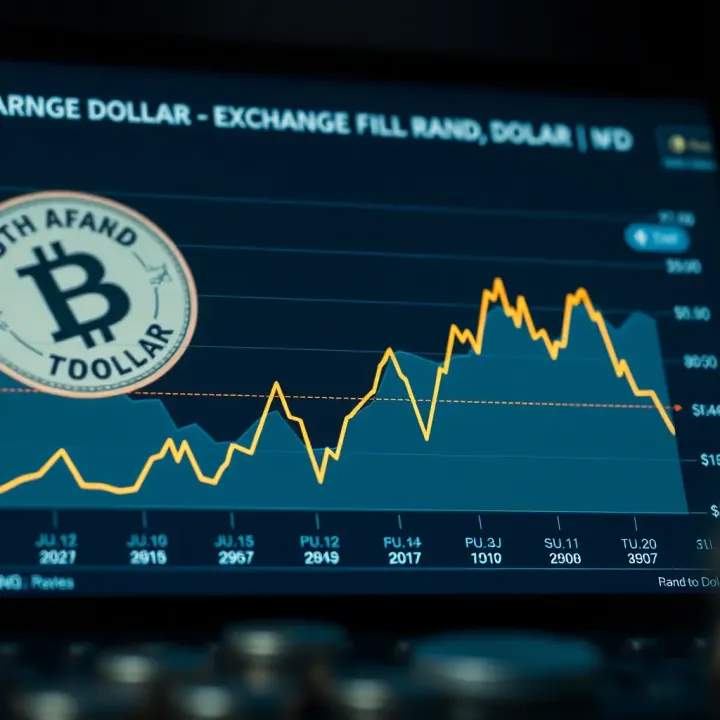
📉 Explore key factors shaping the Rand-Dollar exchange rate, from economic trends to market shifts, to help businesses and investors in South Africa stay informed.
Explore the Rand to INR exchange rate forecast 📉 with insights on economic trends, geopolitical shifts 🌍, and tips to manage currency risks effectively 💹.
Explore how this week's rand to dollar exchange rate shifts impact your wallet, businesses, and investment choices in South Africa 🇿🇦💵📉
Based on 12 reviews