

Understanding Deriv Markets for South African Traders
Explore how Deriv markets work, key derivatives in SA 🇿🇦, local regulations, risks, and tips to trade smartly with confidence and understanding 💹📉.
Edited By
James Whitaker
When stepping into the world of online trading, understanding the minimum deposit requirements can save you from unwelcome surprises. Easy Markets, a popular online trading platform, has tailored its deposit conditions to suit traders worldwide, including those in South Africa. Knowing the minimum deposit is the first real step in planning your trading budget and strategy.
For South African traders, Easy Markets requires a minimum deposit of R500 to open an account and begin trading. This figure positions the broker competitively within the local market, striking a balance between accessibility for new traders and sufficient capital to make meaningful trades. Compared to other brokers where deposit minimums may start at R1,000 or more, Easy Markets offers a relatively low entry point.
The deposit amount directly impacts your trading options since many instruments require certain margins. Starting with R500 means you need to be strategic about your trades, focusing initially on smaller positions or less volatile assets. This approach helps manage risk without overcommitting your initial investment.
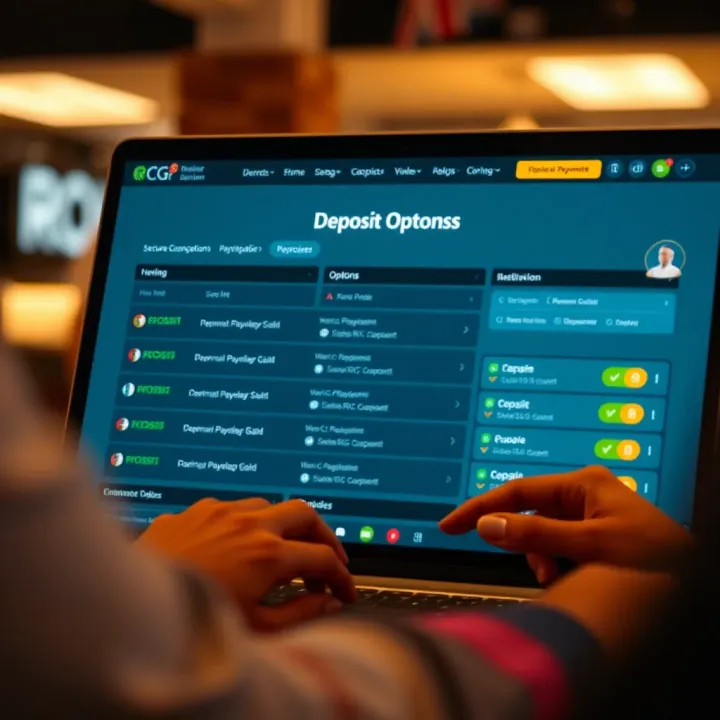
Easy Markets accepts various payment methods suitable for South African users, including debit/credit cards, bank transfers, and e-wallets like Skrill and Neteller. Deposits made in Rand avoid currency conversion fees, which can add up and eat into your trading capital. Keep in mind, some payment methods may charge additional fees or processing times—bank transfers typically take longer than card payments, for example.
Tip: Always check current deposit terms on Easy Markets' platform before funding your account, as fees and policies can change.
Understanding these parameters helps you plan your entry into trading realistically. It’s worth comparing the deposit terms and requirements of Easy Markets with other brokers licensed for South African clients to find the best fit. Some brokers might offer bonuses for initial deposits or lower minimums but come with higher spreads or hidden fees.
In addition to the deposit minimum, factor in how to manage your bankroll wisely. Starting with a thoughtful budget — say R500 to R1,000 — protects you from blowing your capital quickly, especially when adjusting to the platform’s interface and market conditions.
With the basics sorted, you can then focus on developing trading strategies that fit your budget and risk appetite, using tools Easy Markets provides to monitor and control your trades effectively.
Starting with a clear overview of Easy Markets and its trading platform helps South African traders understand what they're getting into, especially before worrying about deposits or fees. Knowing the basics allows you to compare options and see if the platform suits your trading style and needs.
Easy Markets has been around since 2001, making it one of the more established online brokers. It earned a reputation for focusing on transparency and user-friendly trading tools, which is significant given how many brokers enter and exit the scene quickly. For example, its commitment to fixed spreads and protection against negative balance gives traders some peace of mind against unexpected losses.
Easy Markets offers a broad range of assets including forex pairs, commodities like oil and gold, indices such as the FTSE and S&P 500, and cryptocurrencies like Bitcoin and Ethereum. This variety means South African traders can diversify their portfolios without hopping between multiple platforms. If you want to trade the JSE indices or the Rand against global currencies, for example, Easy Markets covers these options.
The platform emphasises an easy learning curve. Its web-based interface is straightforward, and the mobile app supports trading on the go, which is handy for those juggling busy schedules in Johannesburg or Cape Town. Features like price alerts, charts with indicators, and educational resources help beginners get a grasp while experienced traders can fine-tune their strategies.
South African residents over 18 can open an account with Easy Markets. The sign-up process requires identity verification aligned with FICA (Financial Intelligence Centre Act) rules, meaning you’ll need your ID book or passport plus proof of address, like a municipal bill. This keeps trading secure and lawful.
Easy Markets operates under multiple regulatory bodies, including the Cyprus Securities and Exchange Commission (CySEC). While not licensed locally under the Financial Sector Conduct Authority (FSCA), it complies with international standards, which matters if you’re concerned about broker reliability. South Africans should always check FSCA notices for updates or warnings about overseas platforms.
The broker offers several account types, accommodating new and experienced traders. The basic account has a low minimum deposit, usually around R3,000, fitting for those starting out. For more active or professional traders, there’s the VIP account with better spreads and additional tools. Local traders can choose accounts according to their capital and trading goals.
Easy Markets’ combination of asset variety, accessible platform, and clear regulatory setup make it a practical starting point for South African traders navigating the online trading world.
This introduction sets the stage to understand the minimum deposit requirements in context and prepare for the practical steps in funding and managing your account.
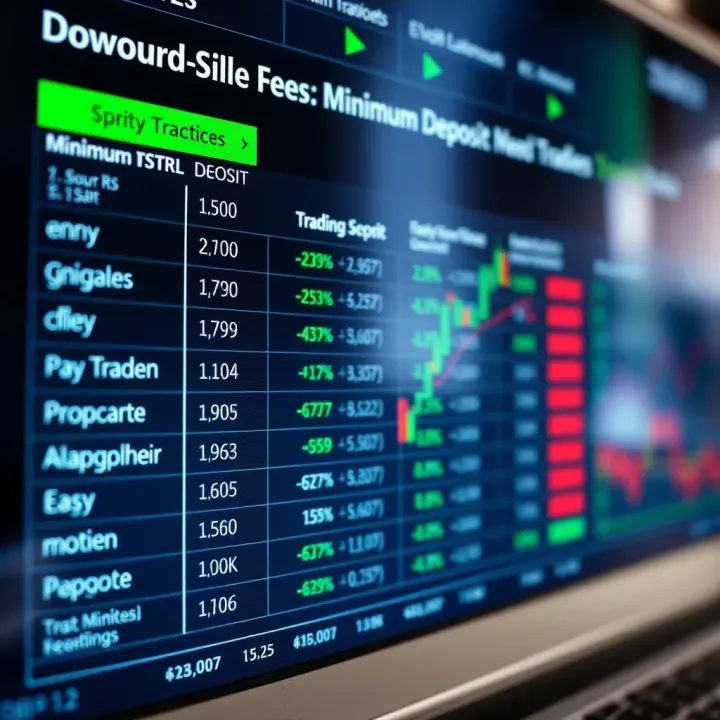
Understanding the minimum deposit at Easy Markets is essential for South African traders aiming to start their trading journey without surprises. The minimum deposit acts as the entry-level fund required to open an account, shaping how much capital you have available for trades and which account features you can access. For example, a beginner with limited capital will want to know if depositing R1,000 is enough to start and whether such an amount grants access to standard trading tools.
Easy Markets typically requires a minimum deposit starting around R1,000 for a standard trading account. This amount is fairly accessible, especially when compared with some brokers demanding upwards of R5,000. For South African traders, that difference can be significant given the current economic climate and exchange rate fluctuations affecting buying power. This R1,000 minimum strikes a balance for those who want to test the waters without risking too much upfront.
The actual minimum deposit varies depending on the account type you choose. For instance, the "Standard Account" might allow entry at R1,000, while a "Premium Account" or "VIP Account" may require a larger deposit, perhaps R50,000 or more, to unlock enhanced features like better spreads or dedicated support. Choosing the right account depends on your financial comfort and trading goals – if you want more advanced tools or personalised service, preparing for a higher deposit is necessary.
Currency choice plays a role in your deposit’s effective value. If you select USD or EUR for your trading account instead of ZAR, the minimum deposit could feel different. For example, a $100 minimum deposit equates roughly to R1,800 at recent exchange rates. Currency conversion fees might cut into your funds, so opting for ZAR accounts can help you avoid those extra costs. Moreover, keeping your deposit in Rand makes managing your trading finances easier without worrying much about exchange rate shifts.
The size of your minimum deposit directly influences your trading volume and the leverage you can apply. A lower deposit could limit your position sizes and how much leverage Easy Markets allows on your account. This, in turn, affects your potential profits and losses. For example, if you deposit just R1,000, your buying power is naturally smaller compared to someone depositing R50,000. Knowing this helps traders manage expectations around their market participation.
Minimum deposit levels often tie in with access to certain trading tools. With smaller deposits, some advanced charting tools, webinars, or premium market analysis might be out of reach. Easy Markets offers more comprehensive support and features at higher deposit tiers, so your initial deposit can decide if you're browsing basic tools or using professional-grade resources to sharpen your edge.
Starting with a minimum deposit also affects how conservatively you need to trade. Lower capital demands strict risk management strategies, such as using stop losses carefully to avoid wiping out your funds quickly. For example, placing trades that risk more than 1–2% of your capital per position is generally risky with smaller deposits. By understanding how your deposit shapes your risk capacity, you can structure your trades more wisely and prolong your time in the market.
Starting with the right minimum deposit at Easy Markets is more than just ticking a box—it sets the tone for your trading journey, influencing the opportunities and safeguards available to you as a trader in South Africa.
Overall, considering deposit size alongside account type, currency choice, and risk tolerance is key to making a sound start in your trading career with Easy Markets.
Funding your Easy Markets account is a key step for South African traders to start or continue trading smoothly. Knowing your deposit options and associated costs can help avoid surprises and ensure quick access to your funds. This understanding also helps you pick the best method to suit your needs, easing the way for better trade execution.
Bank transfers and EFT are a traditional and widely trusted option. South African traders can use electronic funds transfer (EFT) to move money directly from their bank accounts to their Easy Markets account. Despite the slower processing times compared to cards or e-wallets, EFT transfers are generally reliable and suitable for larger deposits. For example, a trader in Johannesburg might use a Standard Bank EFT to deposit R5,000; however, it's useful to factor in that this method might take a day or two to clear.
Debit and credit cards offer faster funding and convenience. Most major South African banks issue Visa and Mastercard cards accepted by Easy Markets, allowing instant deposit processing. This is practical if you want to begin trading quickly or add funds during a volatile market session. Keep in mind that some banks might flag international payments, so it pays to notify your bank beforehand to avoid declines.
Electronic wallets like Skrill and Neteller cater to traders seeking quick and flexible transactions. These e-wallets act as intermediaries storing your funds and letting you deposit into Easy Markets without exposing your card or bank details directly. If you often trade on the move in Cape Town, for example, using Skrill on your mobile device can speed things up. Plus, these wallets sometimes offer additional incentives, such as cashback or lower fees.
Potential deposit fees vary by method and financial institution. While Easy Markets usually does not charge deposit fees, your bank or card provider could levy charges on international transfers. For instance, a debit card deposit from a South African bank might attract a 1% fee, so it’s wise to check with your card issuer to avoid unexpected costs.
Currency conversion costs come into play if you fund in a currency other than the South African Rand (ZAR). Easy Markets allows you to trade in multiple currencies, but if your deposit currency differs, banks or payment processors may charge conversion fees. These can chip away at your deposit amount — for example, converting from ZAR to USD might cost 2-3% extra, depending on the provider's exchange rates.
Timeframes for fund availability depend largely on the deposit method. Credit and debit card payments often reflect in your trading account immediately, which supports fast decision-making during market swings. EFTs can take anywhere from 24 to 72 hours because of banking hours and interbank processing, so plan deposits ahead, especially before a planned trade. E-wallets generally process funds instantly or within a few hours, balancing speed and safety in transactions.
Clear knowledge about your options and fees can spare you delays and costs, helping you trade confidently from the get-go.
Comparing deposit requirements across brokers is practical for South African traders aiming to start on the right foot. Minimum deposit amounts can greatly influence initial capital allocation and exposure to trading opportunities. It is not just about the figure itself but how that figure sits alongside other broker features such as trade execution, fees, and platform accessibility.
Locally, brokers like IG South Africa and ThinkMarkets often have minimum deposits starting around R5,000 to R10,000. Easy Markets tends to offer a lower threshold, sometimes as low as R1,000 for standard accounts. This can make Easy Markets a more accessible option for beginners or traders who prefer to test the waters without committing too much capital straight away. For example, a student or a young professional might find it easier to start trading with a smaller deposit on Easy Markets than with some local alternatives.
When looking at international platforms like Plus500 or Pepperstone, minimum deposits tend to vary quite a bit but often hover around the equivalent of R2,000 to R5,000. Easy Markets' deposit requirements fall comfortably within this range, placing it competitively for South African clients. That said, international brokers might offer other perks such as tighter spreads or localised customer support, so deposit amounts should be seen in the broader context that includes such factors.
The minimum deposit can limit how and when you start trading. A high minimum means committing a larger sum upfront, which may not suit all traders, especially those managing a tight budget. Conversely, a broker with a low deposit requirement allows more flexibility, enabling traders to learn and adjust strategies with less risk. For example, if a broker’s minimum deposit is R500, you can begin more comfortably without the pressure of high initial capital tied up, which suits many South African traders managing other monthly expenses.
While a low minimum deposit is appealing, it shouldn't come at the expense of the trading tools, educational resources, or market access you need. Some brokers with very low deposits may limit access to certain instruments or advanced features like algorithmic trading, research reports, or risk-management tools. On the other hand, brokers that require higher deposits often include these features to justify the cost. Therefore, you need to balance what you can afford with what you need. A practical approach might be starting with a broker like Easy Markets that offers a reasonable minimum deposit plus a balanced suite of tools for South African traders.
Choosing the right broker means weighing deposit costs against the value you get in terms of platform capabilities, support, and fee structures, especially given local market dynamics like currency fluctuations and loadshedding interruptions.
Ultimately, understanding these factors will help you pick a platform that fits your financial capacity and trading ambitions effectively.
Handling your initial deposit carefully can set the tone for your entire trading experience with Easy Markets. A smart approach helps control risks, stretch your capital, and build confidence, especially for South African traders who face unique economic challenges. Whether you're just starting out or looking to grow, these tips will guide you in making sensible decisions.
Starting with the minimum deposit makes good sense, particularly if you're new to trading or Easy Markets' platform. Putting in a smaller amount—say the standard R250—limits your exposure while you familiarize yourself with market movements and the broker's tools. For example, with a modest deposit, you can test different asset classes like forex or commodities without risking a large chunk of your capital.
You'll know when to scale up based on your comfort level and experience. If your trading shows consistency in profits or you’ve developed a clear strategy, raising your deposit can increase your potential returns. However, it’s worth stepping up gradually. Jumping straight into a big deposit can expose you to unnecessary risks, especially if market volatility spikes unexpectedly.
Stop loss and take profit orders are your frontline risk management tools. They let you automatically exit trades at your set limits—stopping losses or securing gains without needing to watch the market all the time. For instance, if you buy EUR/USD at 17.50, a stop loss at 17.20 limits the downside, while a take profit at 17.80 locks in your target profit. This method helps prevent emotional decisions and keeps you disciplined.
Staying informed about market conditions and economic events is just as key. Local news like changes in the South African Reserve Bank's (SARB) repo rate or global shifts in oil prices can cause abrupt price swings. Scheduling your trades around major economic releases or international summits can reduce risks and sometimes offer opportunities. Plenty of free economic calendars and news portals specialise in these updates for South African traders.
Exchange rate fluctuations can impact the Rand value of your deposit and profits. Since Easy Markets offers accounts in multiple currencies, you might deposit in Rand but trade assets priced in dollars or euros. A sudden rand weakening against the dollar might boost your dollar-denominated gains but also increase deposit costs if you fund your account with Rands. Monitoring the ZAR/USD rate ensures you don’t get caught by unexpected currency shifts.
Loadshedding is another factor that can mess with your trading routine. Power outages disrupt internet access, potentially leaving you unable to manage trades during critical moments. Setting up offline backups like a mobile data plan or UPS (uninterruptible power supply) can help keep you connected when the lights go out.
Last, but not least, be mindful of data costs. Trading platforms need steady internet connections, and data bundles tailored for heavy use protect you against soaring monthly expenses. Some South African ISPs and mobile providers offer specialised data plans for streaming and trading that can lower your overall costs.
Managing your initial deposit isn't just about the money you put in, but also about how you protect and grow it within South Africa's unique trading landscape. Keeping a close eye on risk controls and local economic factors can make all the difference.
By applying these tips, you can make smarter moves with Easy Markets and avoid common pitfalls while trading from South Africa.
Explore how Deriv markets work, key derivatives in SA 🇿🇦, local regulations, risks, and tips to trade smartly with confidence and understanding 💹📉.
📈 Discover Binance minimum deposit rules for South Africans 🇿🇦. Learn about payment options, fees, processing times, and secure deposits in Rands 💸.
Explore RCG Markets with our detailed guide for South African traders 📊. Learn about platforms, fees, account types, and support to trade smarter.
💰 Learn how to make secure RCG deposits in South Africa! Explore payment options, processing times, and tips to navigate common issues smoothly. 📲
Based on 6 reviews