
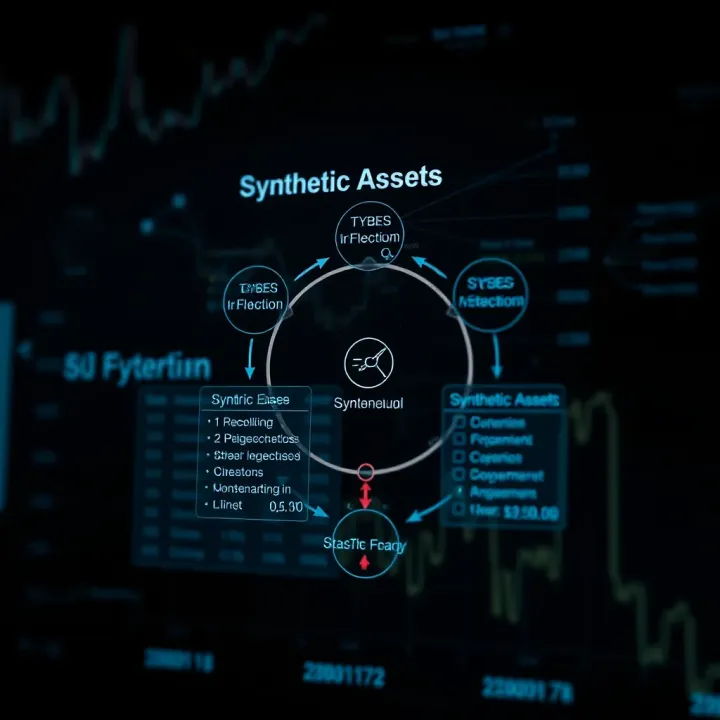
Understanding Synthetics Trading in South Africa
Explore synthetics trading in South Africa 🇿🇦 – learn how synthetic assets work, benefits, risks, platforms, regulation, and practical tips for traders.
Edited By
Henry Williams
Forex trading can seem like a maze when you're just starting out, but it’s really about understanding how currencies move and using that knowledge to your advantage. The foreign exchange market, known locally as forex or FX, is the biggest financial market worldwide – bigger than the JSE stock exchange by a long shot. It runs 24 hours a day, five days a week, making it flexible for traders who want to operate outside traditional office hours.
The basics revolve around currency pairs, like USD/ZAR or EUR/USD. The first currency in the pair is called the "base currency", and the second the "quote currency". When you trade, you’re buying one currency and selling the other simultaneously. For instance, if you think the US Dollar will strengthen against the Rand, you'd buy USD/ZAR.
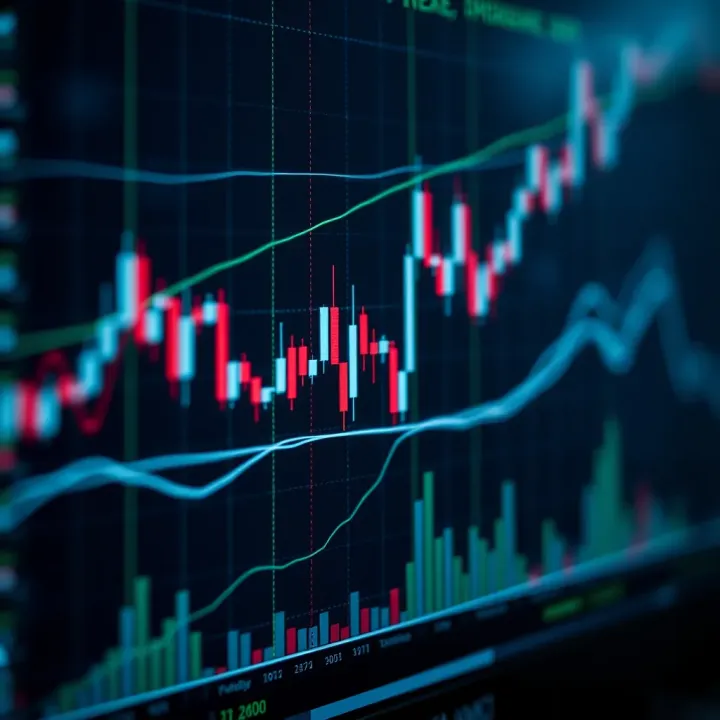
Understanding the market’s structure early on helps in navigating its complexity, especially how economic factors and events impact exchange rates.
Liquidity: Forex is highly liquid, so entry and exit points are generally quick and straightforward.
Leverage: Brokers offer leverage that can magnify your gains—but watch out, it works both ways.
Accessibility: You don’t need massive capital; many South African brokers allow starting with modest amounts.
Step 1: Find beginner-friendly resources. PDFs that break things down clearly are golden, especially those that explain terms like pips, lots, margin, and spread without jargon. Look for guides from reputable sources or local trading academies.
Step 2: Use demo accounts offered by brokers such as IG, CM Trading, or Plus500. These let you trade with virtual money and get a feel for the market without risking real cash.
Step 3: Learn to read charts and use basic analysis methods—technical (trendlines, moving averages) and fundamental (economic news, interest rate decisions). For South Africans, monitoring SARB statements and global events affecting commodity prices is useful.
Start small and don’t overleverage.
Keep a trading journal to track wins, losses, and lessons.
Manage risk by setting stop-loss orders.
In sum, while forex trading offers interesting opportunities, it demands patience, discipline, and ongoing learning. This guide aims to equip you with practical knowledge to move beyond the basics and trade confidently in South Africa's dynamic economic landscape.
Grasping the basics of forex trading sets the foundation for any trader aiming to make informed decisions in the market. Without a clear understanding of core concepts, even the most promising strategies can quickly fall apart. Getting to know how the forex market operates, alongside key terminology, helps you avoid costly mistakes and spot genuine opportunities.
Forex trading involves buying and selling different currencies against each other, trying to profit from their fluctuating values. It’s the largest financial market globally, with trillions of rands changing hands daily. This market doesn’t rely on a physical central location but operates electronically across time zones, around the clock.
Currencies are traded in pairs—one currency is bought while the other is sold. For example, if you believe the US dollar (USD) will strengthen against the South African rand (ZAR), you would buy the USD/ZAR pair. If the dollar rises in value relative to the rand, you can sell it later at a profit. This system requires understanding how these pairs work and what influences their price movements.
The forex market operates through an interbank network, connecting banks, institutions, brokers, and individual traders worldwide. Trades go through electronic platforms or over-the-counter markets rather than a formal exchange. Key financial centres include London, New York, Tokyo, and Sydney, ensuring the market stays active 24 hours during weekdays.
This non-stop operation means that South African traders can jump in anytime that suits them—from early morning before work to late at night after the braai. Understanding when different markets open and close can help you pick the best trading windows for your strategy.
In forex, a pip stands for “percentage in point” and represents the smallest price move a currency can make. Typically, it’s 0.0001 of the currency pair’s value. For instance, if the USD/ZAR pair moves from 15.0000 to 15.0001, that's one pip.
A lot defines the size of the trade. A standard lot equals 100,000 units of the base currency, but beginner accounts often start with mini or micro lots (10,000 or 1,000 units respectively) to manage risk.
Leverage allows you to control a larger position with a smaller deposit. For example, with 1:100 leverage, R1,000 can control R100,000 of currency. While leverage can boost profits, it also magnifies losses, so you need to manage it carefully to avoid wiping out your account.
Forex trading always involves two currencies, known as a pair. The first is the base currency, and the second is the quote currency. The pair’s price tells you how much of the quote currency you need to buy one unit of the base currency.
Pairs are grouped into majors (like EUR/USD, USD/JPY), minors (such as EUR/AUD), and exotics (like USD/ZAR). Majors have the tightest spreads and most liquidity, often preferred by new traders. Understanding the behaviour and economic drivers behind each currency helps you anticipate price moves more effectively.
Getting comfortable with these forex basics early on gives you a real edge and helps you trade smarter, not harder. Don’t rush—take your time mastering these concepts before risking real money.
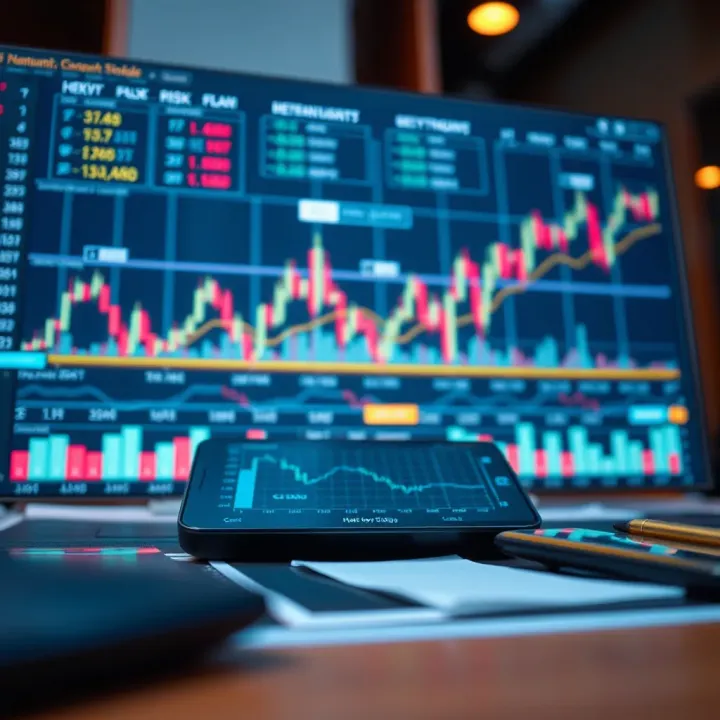
Understanding how the forex market functions is the backbone of trading effectively. It’s not just about guessing which way a currency will move but recognising who’s involved and what drives their actions. This knowledge helps you make informed decisions rather than following hunches—especially as a beginner.
Forex traders range from massive banks and multinational corporations to individual retail traders like yourself. Commercial banks take the lead, handling vast sums daily to facilitate cross-border payments and currency conversion for clients. Meanwhile, hedge funds and investment managers trade to seek profit or hedge against currency risk. Retail traders contribute smaller volumes but have grown exponentially with the rise of online platforms and brokers, especially in South Africa, where more people join daily with modest amounts.
Knowing the players matters. For example, central banks often intervene to stabilise their currency, which can cause sudden market shifts. Corporates trade to manage risks tied to imports or exports. Recognising these motivations can clue you in when the market behaves unusually.
The forex market operates 24 hours a day during weekdays, opening on Monday morning in Asia and closing on Friday evening in New York. This continuous cycle is split into major sessions: Asian, European, and North American. South African traders often find the London and New York sessions offer the most liquidity and volatility—the conditions which can create trading opportunities.
Understanding trading hours helps you plan when to be active or step back. For example, the overlap between London and New York sessions usually sees high trading volumes and sharper price moves. Conversely, during the Asian session, liquidity may thin, resulting in less movement. Knowing this keeps you from chasing trades in quiet markets or missing out when action picks up.
At its core, currency values rise and fall based on supply and demand mechanics. When more traders want a currency, its price climbs; if selling dominates, the price drops. Take the South African rand (ZAR) for example: boosted demand from foreign investors buying bonds or shares pushes it stronger, while political uncertainty or worsening economic data might reduce demand, weakening the rand.
Factors influencing supply and demand include trade flows, interest rate differentials, and capital movements. For instance, if South Africa raises interest rates above other countries, the rand might attract more investment, increasing demand. On the other hand, a trade deficit—where imports exceed exports—usually means selling rand to buy foreign currency, adding supply pressure.
Economic reports and news releases significantly impact forex rates, often triggering swift moves. In South Africa, data like GDP growth, inflation figures, and unemployment rates are closely watched. A better-than-expected inflation report might prompt the South African Reserve Bank (SARB) to adjust rates, affecting the rand's strength.
Similarly, global news matters. For example, a strong US jobs report often lifts the US dollar (USD) against other currencies including the rand. Traders react fast to such news, creating volatility but also opportunities.
Staying updated on economic calendars enables you to anticipate potential market moves and manage your trades around news events efficiently. It’s a practical strategy that helps reduce surprises and allows you to align your trading with market sentiment.
By grasping who trades, when the market runs, and what affects currency prices, you build a solid foundation. This understanding equips you to navigate forex trading smarter, especially as you make use of beginner-friendly PDF guides and platforms designed to support you along the way.
Taking practical steps at the start of your forex trading journey lays a solid foundation for success. For beginners in South Africa, understanding how to choose a broker, set up an account, and use reliable learning resources helps avoid costly mistakes. Each step shapes your trading experience, so dedicating time to these basics is smart before risking real capital.
Selecting a reputable broker matters more than many new traders realise. South Africa's Financial Sector Conduct Authority (FSCA) regulates local brokers, which means those registered with the FSCA have to follow rules protecting traders against fraud and unfair practices. Using an FSCA-regulated broker reduces the chance of running into scams common in unregulated markets.
Besides regulation, fees and trading platforms influence your bottom line and ease of trading. Brokers charge spreads (the difference between buy and sell prices), commissions, or both. Comparing these costs can save you hundreds of rands monthly, especially if you trade frequently. The platform itself should be user-friendly and stable — popular options include MetaTrader 4 and 5 or proprietary apps tailored for South African traders. Make sure it supports the currency pairs you want to trade and offers mobile access, so you can monitor trades while on the go.
Before trading live, brokers require document verification to comply with anti-money laundering laws and South Africa’s Financial Intelligence Centre Act (FICA). Typically, you’ll submit a certified copy of your ID or passport, proof of address (like a municipal bill), and sometimes a bank statement. This process may seem tedious but it protects you and the broker.
Understand account types before funding your trading account. Many brokers offer standard, mini, or micro accounts, differing mainly in minimum deposits and trade sizes. For example, a micro account allows smaller trades and less risk, suitable for beginners testing the waters. Some accounts also offer demo conditions similar to live trading, giving you space to learn without risking real money.
A well-crafted PDF guide explains forex trading in plain language, offering step-by-step instructions tailored for novices. Expect it to cover essential terms, trading strategies, common risks, and practical tips specific to South African traders. Such guides often include examples with local currencies and typical scenarios you might face.
To get the most from a PDF guide, treat it as a reference rather than a one-time read. Take notes, mark sections you find tricky, and practise concepts on a demo account alongside reading. Many guides suggest exercises or quizzes — trying these helps reinforce learning. Also, stay updated by combining the guide with online news from trusted South African financial sources like Moneyweb or BusinessTech.
Starting carefully by selecting a trustworthy broker, setting up your account correctly, and learning from beginner-friendly guides can save you time, money, and frustration in forex trading.
Trading strategies and risk management are vital pillars in successful forex trading. Without a plan for entering and exiting trades or managing losses, even experienced traders can face significant setbacks. For beginners, these two elements help build discipline and protect capital – a must in the volatile forex market.
Trend following and breakout strategies offer straightforward approaches for new traders. Trend following means identifying when a currency pair’s price moves steadily in one direction and trading in that direction. For example, if the USD/ZAR pair shows a clear upward trend over several hours, you might enter a buy position anticipating further gains. This strategy relies on the idea that trends often continue rather than reverse immediately.
Breakout strategies work when prices break through a defined support or resistance level. If the EUR/USD has been stuck below 1.1000 and suddenly breaks above it, this could signal the start of a new uptrend. The challenge lies in picking genuine breakouts rather than false moves. Both strategies require patience and monitoring, but they simplify decision-making for newcomers.
Importance of demo accounts can hardly be overstressed. Demo accounts let you trade with virtual money using real market data. This hands-on practice lets you experiment with strategies like trend following and breakouts without risking a cent. For example, practising setting orders and watching how they execute builds confidence.
Many beginners jump straight into live trading only to realise they don’t fully understand how platforms work or how emotions impact decisions. With a demo account, you can familiarise yourself with trading platforms offered by brokers like ForexTime or IG, hone your skills, and develop a trading routine that suits you before moving to real money.
Setting stop-loss orders is a key tool to limit losses. A stop-loss automatically closes your trade once the price moves against you by a set amount. Suppose you buy GBP/ZAR at 20.50 hoping it will rise, but you set a stop-loss at 20.30. If the price falls to 20.30, your broker will close the trade to protect your capital from bigger losses.
This technique prevents emotions like hope or fear from clouding judgment during sudden market moves. Stop-loss orders need to be carefully placed to avoid closing out too early on normal fluctuations, but they should be tight enough to protect your funds.
Only risking a small percentage per trade is another fundamental. Most experienced traders risk between one and two percent of their total trading capital on any single trade. For instance, if your trading account has R10,000, risking 1% means you would only stand to lose R100 on a trade.
Applying this rule helps keep losses manageable and prevents a bad streak from wiping out your account. It encourages patience and consistent risk control, which matter more than chasing big wins or doubling the account in quick bursts.
Trading forex without a solid strategy and risk management is like driving in thick fog without headlights. These tools help clear the way and keep you on course.
By combining simple, effective strategies with mindful risk controls, beginners set themselves up to learn sustainably and protect their capital in the unpredictable world of forex.
Forex trading isn’t just about charts and numbers; the challenge lies in managing your mindset and spotting trustworthy information. Many beginners stumble not because they lack knowledge, but because they miss key practical steps in handling emotions and recognising scams, or fail to keep updated with relevant news and peer insights. This section highlights these challenges and shares tips to help you build a strong foundation.
Trading can be an emotional rollercoaster. It's common for beginners to feel the rush of excitement after a winning trade, only to panic and close positions too early after a loss. Such emotional reactions often lead to inconsistent trading decisions, which can hurt your capital. Keeping your expectations realistic—knowing that losses are part of trading—helps you stay calm and stick to your strategy.
A practical way to keep emotions in check is journalling your trades and reviewing them objectively later. For instance, if you notice you tend to open bigger trades after a streak of wins, you can remind yourself to keep risks steady. This discipline is crucial for lasting success and preventing rash moves driven by fear or greed.
The forex market can attract unscrupulous players promising quick riches or exclusive systems that guarantee profits. For example, some shady brokers may offer bonuses but charge hidden fees or delay withdrawals. In South Africa, always check that a broker is registered with the Financial Sector Conduct Authority (FSCA). An unregulated broker is a red flag.
Be wary of unsolicited offers on social media or chat groups recommending secret trading signals or mentorships requiring hefty upfront fees. Reliable providers are transparent about their fees, uphold fair trading conditions, and have a verifiable track record. Trust your gut—if something sounds too good to be true, it usually is.
Forex rates respond sharply to economic data and geopolitical events. Keeping updated with trustworthy sources lets you anticipate market moves better. Platforms like Bloomberg, Reuters, or local outlets such as Business Day provide timely and accurate economic news.
Ignoring news or relying on hearsay could lead you to misjudge market sentiment. For example, missing a key interest rate decision announcement by the South African Reserve Bank (SARB) can cause you to hold losing positions too long.
Joining forums or local trading groups can sharpen your skills through shared experiences. In South Africa, platforms like MyBroadband’s trading threads or community meet-ups offer a place to exchange tips, strategies, and market observations.
The value lies in diverse viewpoints and learning from others’ mistakes or successes. However, be cautious to filter advice critically—what works for one trader may not suit your style or risk appetite. Use communities as a sounding board, not a guarantee.
Staying grounded, vigilant, and informed helps you navigate forex trading’s ups and downs with confidence. These practical steps reduce costly mistakes and build your trading muscle steadily over time.
Explore synthetics trading in South Africa 🇿🇦 – learn how synthetic assets work, benefits, risks, platforms, regulation, and practical tips for traders.
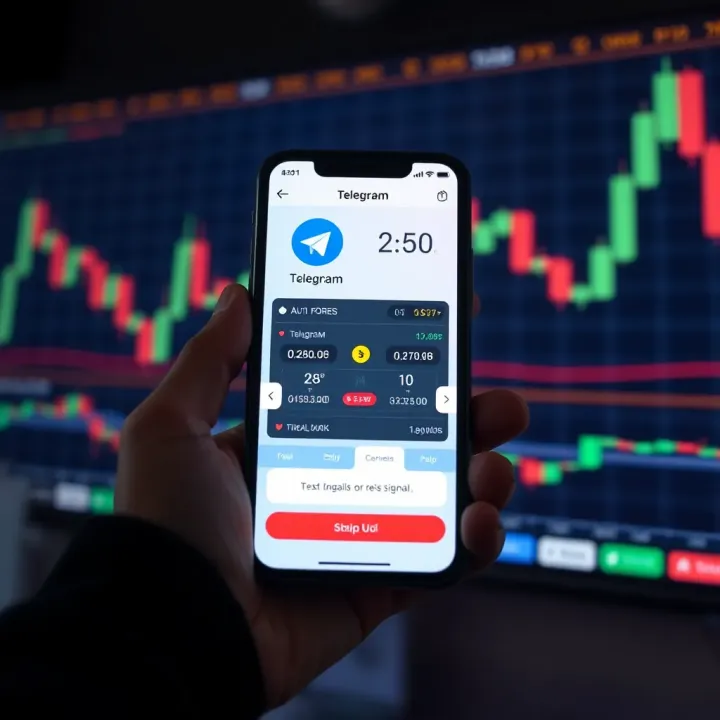
Discover how Telegram forex signals can enhance your trading in South Africa 🇿🇦. Learn to spot reliable sources, manage risks, and trade smarter 🔐💹.

🔍 Explore P2P trading in South Africa: learn how to trade safely, discover trusted platforms & understand local regulations to make informed decisions.

🤖 Explore robot trading in South Africa: learn how automated trading works, its pros and cons, key strategies, risks, and regulatory tips for investors.
Based on 8 reviews