

Telegram Forex Signals: What You Need to Know
Discover how Telegram forex signals can enhance your trading in South Africa 🇿🇦. Learn to spot reliable sources, manage risks, and trade smarter 🔐💹.
Edited By
Liam Foster
Withdrawing your profits from a forex account isn’t just a click-and-go affair, especially here in South Africa. Understanding the ins and outs of forex withdrawals can save you a lot of hassle, from unexpected fees to delays or compliance headaches.
Forex trading is vibrant and active among South African traders, but cashing out requires some groundwork. This process involves not only choosing the right withdrawal method but also navigating aspects like currency conversion, local tax rules, and regulations that brokers enforce to comply with South African laws.
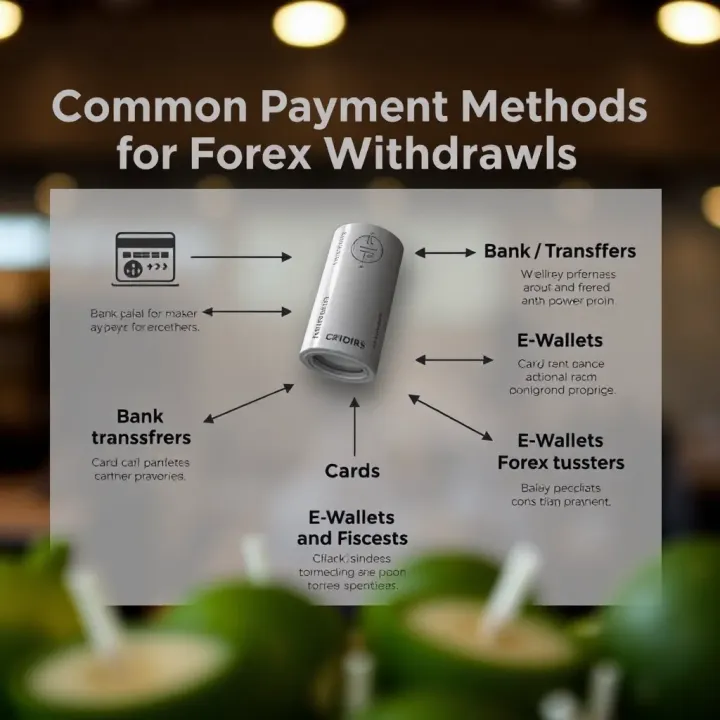
South African traders mostly use three common withdrawal methods: direct bank transfers, e-wallets like Skrill or Neteller, and sometimes even cryptocurrencies where brokers accept them. Each option comes with its own set of pros and cons — while bank transfers are reliable, they can attract fees and take longer during busy periods. E-wallets might be faster but often have withdrawal limits or service fees.
When preparing to withdraw, always check your broker’s policies and local regulations. For example, some brokers require full compliance with the Financial Intelligence Centre Act (FICA), which means you’ll need to submit ID documents before cashing out.
Currency conversion is another element to factor in. If your brokerage account is in US dollars or euros, withdrawing to your Rand bank account means paying attention to exchange rates and possible conversion charges, which can chip away at your earnings. Comparing how your bank and broker handle these rates can help you keep more of your money.
Lastly, keep tax obligations in mind. The South African Revenue Service (SARS) treats forex profits as taxable income, so good record-keeping around withdrawals can make tax season easier.
In short, managing forex withdrawals involves understanding payment methods, compliance, fees, and tax. This article will guide you through these crucial points step by step, helping you access your funds safely and without unexpected surprises.
Understanding how forex withdrawals operate is vital if you want to access your trading profits securely and without unnecessary hassle. When you make a withdrawal, you request the broker to transfer funds from your trading account to your bank or payment method. This might sound straight forward, but the process involves certain steps intended to protect your money and comply with regulations.
Initiating a Withdrawal Request: This is where it all begins. Typically, you log into your broker’s platform and enter the amount you want to withdraw. Some brokers may require you to set a withdrawal method beforehand, such as a bank account or e-wallet linked to your profile. For example, if you use a South African bank account, you’ll usually have to provide your account number and branch details. It's practical to keep these details updated to prevent hiccups.
Verification and Security Checks: Brokers take verification seriously to avoid fraud and money laundering. Before releasing funds, brokers often ask for identification documents like a copy of your ID, proof of residence, or even a selfie with your ID. These checks ensure the withdrawal goes to the rightful owner and complies with South African regulations such as the Financial Intelligence Centre Act (FICA). This step might feel a bit tedious but it helps keep your account safe.
Processing Times for Different Brokers: Withdrawal speeds differ between brokers. Some boast instant withdrawals, especially when using e-wallets like Skrill or Neteller, while bank transfers might take a couple of business days. For instance, a withdrawal from a broker operating locally or with a South African bank partner usually clears within 1-3 days. However, international brokers might take longer due to cross-border banking processes.
Factors Causing Delays: Various factors could slow down your withdrawal. Incomplete or inconsistent verification documents, banking holidays, and even network issues with payment gateways can cause delays. Another common snag is if the withdrawal amount triggers an additional compliance review or suspicious activity alert. To avoid holdups, always provide accurate info and understand the broker's withdrawal policy clearly.
Remember, being patient and providing the required verification upfront can save you precious time and prevent frustration when accessing your forex profits.
In short, knowing the withdrawal steps, preparing your documents, and choosing a broker with transparent processing times can make all the difference when you need to get your money out fast and safely.
For South African traders withdrawing forex funds, knowing your options is key. The local banking and payment landscape shapes which methods work best, balancing convenience, speed, and security. Each method comes with practical benefits and some caveats that can affect how swiftly and safely you access your money.
How EFT Works for Forex Withdrawals
Electronic Funds Transfer (EFT) is probably the most common withdrawal method in South Africa. When you request a forex withdrawal via EFT, the broker initiates a direct transfer from their account to your bank account. Typically, this process involves converting your trading currency to Rand, then the local banking system moves the funds. EFTs normally take a couple of days but can stretch longer if done over weekends or public holidays.
Advantages and Drawbacks
One big advantage of EFT is its reliability: it’s a well-established system almost everyone understands and trusts. The funds go straight to your bank account, making them easy to access. On the flip side, EFTs can come with bank fees and possibly currency conversion charges that chip away at your amount. Also, delays aren’t unusual if the broker or bank runs extra security checks, especially with large amounts being moved.

Options Available to South African Traders
E-wallets like PayPal, Neteller, Skrill, and local platforms offering services like Zapper or SnapScan are nifty options for forex withdrawals. South African traders often prefer these for their speed and flexibility—money usually arrives faster than through traditional bank methods. Some brokers support direct withdrawals to these e-wallets, letting you move your funds around digitally or pay for online purchases without hitting your bank card.
Security and Convenience Factors
E-wallets tend to offer solid security, with multi-factor authentication and instant notifications to guard against fraud. They’re particularly handy if you're trading across different currencies or want to skirt hefty conversion fees because some allow holding balances in various currencies. That said, moving money from an e-wallet to your bank account may still involve fees and take time, so it's worth checking out the full flow beforehand.
Using Cryptocurrencies for Withdrawals
Some brokers offer crypto withdrawals, which are becoming a practical choice for South African traders comfortable with cryptocurrencies like Bitcoin or Ethereum. Crypto withdrawals can bypass traditional banking delays and restrictions, facilitating quicker access to funds and sometimes lower fees. Still, the wild price swings of cryptocurrencies mean the amount you receive can vary, and you’ll need a secure crypto wallet to manage them.
Cheque Withdrawals and Others
Cheque withdrawals are pretty rare these days but still possible with a few brokers. This method is slow and somewhat outdated, often requiring you to visit your bank branch to deposit or cash the cheque. Other niche options might include prepaid cards or money transfers via services like Western Union, but these tend to involve higher fees and more steps.
When choosing a withdrawal method, weigh speed, costs, and safety against your personal needs. While EFT remains the default for many, exploring e-wallets or crypto might give you a faster, more flexible option in the South African forex landscape.
When withdrawing funds from your forex trading account, managing costs and fees effectively can make a noticeable difference to your bottom line. Traders often overlook the fine print that comes with withdrawals, resulting in avoidable charges that chip away at profits. Understanding these expenses and knowing how to keep them down is key, especially for South African traders working with multiple currencies and fluctuating exchange rates.
Most brokers charge some fee when processing your withdrawal request. This varies widely depending on the broker’s policies and withdrawal method. For instance, some brokers impose a flat fee of R100 per withdrawal, while others might charge a percentage of the amount withdrawn, usually between 0.1% and 1%. It is common to encounter fees for certain payment methods such as bank wire transfers or e-wallets. Familiarising yourself with your broker’s fee schedule before you start withdrawing can save you nasty surprises.
Beyond broker fees, South African traders face bank fees and currency conversion costs. When you withdraw forex funds in a foreign currency, your bank typically converts the amount into Rand (ZAR), and this conversion comes at a cost. For example, Standard Bank may charge around R50 to R80 as a handling fee for foreign currency deposits plus a spread on the exchange rate, which could cost you between 1% to 3% extra on the converted amount. Different banks charge differently, and frequent withdrawals mean these fees add up fast.
There are a few straightforward ways to cut down on withdrawal expenses. First, try to withdraw larger sums less frequently, minimising the number of fixed transaction fees. If your broker allows, use local payment methods that avoid international currency conversion altogether, such as EFT in ZAR, to steer clear of conversion charges. Whenever possible, compare broker withdrawal charges as part of your broker selection process. Use e-wallets like Skrill or Neteller to reduce bank fees, but check their withdrawal fees too. Lastly, keep an eye on exchange rates and try to time your withdrawals when the Rand is reasonably stable against the currency you trade in.
Minimising withdrawal fees isn't just about saving a few rand here and there; over time, smart cost management can enhance your overall trading profitability.
Knowing where your money disappears during withdrawal helps you keep more of your hard-earned gains. Being deliberate about the frequency, method, and timing of your withdrawals can put you ahead in the forex game.
Understanding the regulatory and tax landscape is vital for South African traders withdrawing forex funds. Compliance can prevent legal issues and unexpected costs, ensuring smoother access to your profits. South Africa’s financial frameworks, particularly around forex, include identification requirements and tax obligations that directly affect your withdrawals.
South Africa’s Financial Intelligence Centre Act (FICA) and Regulation of Interception of Communications and Provision of Communication-Related Information Act (RICA) require forex brokers and financial institutions to verify customer identities thoroughly. This means before you can withdraw funds, you must submit documents such as your ID book or card, proof of address, and sometimes mobile phone registration details. These measures help prevent fraud and money laundering but can delay withdrawal if your documents aren’t in order.
For instance, if you recently moved or changed your contact details, failing to update your broker could cause verification hiccups, putting withdrawals on hold. Staying ahead by keeping your information current with your forex broker helps avoid these unnecessary delays.
Forex brokers operating in South Africa should be licensed and regulated by the Financial Sector Conduct Authority (FSCA). Using an FSCA-approved broker means the company complies with local financial laws intended to protect traders. It’s more than a formality — regulated brokers must have proper client fund protection measures and transparent trading practices.
Choosing a broker without FSCA oversight risks encountering unscrupulous practices or difficulties when withdrawing funds. If a problem arises, your chances of recourse through complaints or legal channels significantly drop. Before committing, confirm your broker’s FSCA licence status to trade and withdraw with peace of mind.
Any profit made from forex trading is considered taxable income by the South African Revenue Service (SARS) and should be declared during your annual tax submissions. Whether you trade as a casual investor or business, SARS needs to know of gains to assess your tax liability correctly.
For example, if you turn a profit of R100,000 from forex trading, this amount adds to your taxable income and affects how much tax you owe. Ignoring this requirement can lead to penalties or audits, so keeping accurate trade records, including deposits and withdrawals, is essential for smooth SARS dealings.
Withdrawing funds itself is not taxed separately—tax is on the profits you've earned, not the act of moving money. However, because forex income is taxable, withdrawals usually represent realised gains that SARS expects you to report.
It's worth noting that if your funds are held in foreign currencies or with overseas brokers, currency fluctuations may complicate tax calculations. SARS expects conversion into Rand at the rate on the day of withdrawal or profit realisation. Therefore, maintaining clear documentation of exchange rates and transaction dates is critical when filing your returns.
Staying compliant with regulatory and tax laws isn't just legal prudence — it safeguards your ability to access forex profits without interruption or surprise costs.
By understanding FICA/RICA rules, confirming FSCA regulation, and managing your SARS tax obligations properly, you’ll ensure your forex withdrawals in South Africa go smoothly and safely.
Navigating forex withdrawals smoothly isn't always straightforward. Traders often bump into issues like delays, currency conversion headaches, or security risks that can cost time and money. Knowing these common challenges and how to sidestep them helps you access your funds more reliably and with less stress. For South African traders, understanding these pitfalls is especially useful given local banking quirks and ever-present loadshedding interruptions.
Delays are among the top frustrations in forex withdrawals. They can stem from broker processing times, banking procedures, or verification holdups. For instance, brokers might hold funds during compliance checks related to FICA (Financial Intelligence Centre Act) or suspicious activity flags. Similarly, banks may delay clearing funds due to insufficient information or cross-border transfer protocols.
To tackle delays, start by providing all required documentation clearly and promptly during account setup. Keep your broker informed of any changes in your banking details to avoid mismatch issues. Also, check with your broker about expected withdrawal windows and choose brokers known for timely payouts. If a withdrawal drags, don't hesitate to follow up with customer service and document all correspondence.
Since forex trading profits are often in foreign currencies like USD or EUR, converting those funds to ZAR can cause unexpected loss due to unfavourable rates or extra fees. South African banks generally charge currency conversion fees, and exchange rates offered might lag behind mid-market rates, cutting into your returns.
One way to dodge this is by using brokers or payment methods that offer competitive currency conversion or allow you to withdraw in ZAR directly. Some brokers partner with local banks or payment platforms to streamline conversions. Alternatively, consider withdrawing in major currencies to a multi-currency account that lets you choose when to convert, timing it around better rates.
Safety can't be compromised when it comes to your money. Sadly, forex scams and fraudulent brokers have targeted South African traders, making secure withdrawal methods essential. Risk rises when dealing with unregulated brokers or using outdated payment channels.
Ensure your broker is licensed by the Financial Sector Conduct Authority (FSCA) and adheres to strict verification standards. Use secured payment channels like EFTs with trusted banks or reputable e-wallets. Beware of phishing attempts—never share private login details by email or phone. Setting up two-factor authentication on your trading platform adds a vital security layer.
Keep tabs on your withdrawal history and bank statements regularly to spot any unusual activity early.
In sum, addressing these hurdles with preparation and vigilance goes a long way. It’s about staying informed, choosing trustworthy partners, and reacting promptly when issues arise. That way, you keep your forex funds flowing safely and efficiently into your pocket, ready for your next move.
Discover how Telegram forex signals can enhance your trading in South Africa 🇿🇦. Learn to spot reliable sources, manage risks, and trade smarter 🔐💹.

Discover what drives the success of top forex traders in South Africa 🇿🇦: market factors, smart strategies, risks, and rules to know before starting.

Explore the forex market's structure, key players, currency roles, and strategies to navigate risks in South Africa's vibrant trading scene 💱🌍📈

🤖 Explore how robot trading automates forex deals using algorithms, plus tips on pros, risks, and regulation for South African traders.
Based on 6 reviews