
Option Trading Guide for South African Investors
📈 Learn practical option trading techniques for South African investors. Understand strategies, risks, and how to manage your portfolio effectively. 🇿🇦
Edited By
Amelia Davies
Trading robots, also known as automated trading systems, have become increasingly popular among traders and investors worldwide, including many in South Africa. These tools use algorithms to analyse market data and execute trades automatically, aiming to save time and remove emotional decisions from investing.
Free trading robots, in particular, attract attention because they offer automation without requiring upfront subscriptions or licence fees. However, while they seem like a handy shortcut, it's crucial to understand how they really operate and the realities behind their promises.
At their core, free trading robots scan market trends, identify trading opportunities, and place buy or sell orders based on pre-set rules. Some connect directly to popular platforms like MetaTrader 4 or brokerages servicing South African traders. Many claim to work across various asset classes, such as forex, indices, or cryptocurrencies.
Yet, not all free robots are created equal. Some offer basic, rigid algorithms that might struggle in volatile conditions common to markets like the Johannesburg Stock Exchange (JSE) or the rand-based forex pairs. Others may depend heavily on historical data, which doesn't always predict future moves reliably.
Be wary of robots boasting guaranteed profits or aggressive returns without risk. If it sounds too good to be true, it probably is.
What sets South African traders apart is the local context. Factors like currency volatility, loadshedding disrupting trading schedules, and the accessibility of reliable internet can affect robot performance. South Africa's regulatory environment also means traders should ask whether the robot complies with laws like the Financial Advisory and Intermediary Services (FAIS) Act.
When considering a free trading robot, some key points to keep in mind include:
Understand the strategy: Know exactly which markets and timeframes the robot trades.
Backtesting results: Look for evidence of historical performance, but take these with caution.
User reviews in local forums: Check feedback from South African users, which can reveal issues especially relevant to the local market.
Broker compatibility: Confirm the robot works well with brokers offering fair spreads and good support.
Control and overrides: See if you can adjust settings or stop the robot easily if market conditions change.
By looking closely at these aspects, South African investors can better judge whether a free trading robot suits their style and risk appetite. While automation has its place, no robot is a magic wand. Careful inspection and realistic expectations are key before handing over your hard-earned Rands to any trading system.
Grasping what free trading robots are and how they function is essential for any South African investor contemplating automated trading. These digital tools offer a way to execute trades without the constant need for manual input, potentially saving time and emotional strain. Understanding their mechanisms helps traders gauge their fit with personal strategies and avoid pitfalls.
At their core, trading robots are software programs designed to automatically execute trades on behalf of the user. They scan markets for specific conditions according to pre-set algorithms and place buy or sell orders accordingly. For example, a trading robot might spot a dip in a share price and automatically buy, aiming to sell later at a profit—all without you having to be glued to your screen.
Behind this functionality are technologies like algorithmic trading strategies, pattern recognition, and sometimes elements of artificial intelligence (AI) or machine learning. These allow the robot to analyse large volumes of data quickly and react faster than a human could. The sophistication varies widely: some robots follow simple rules (like moving averages), while others adapt to changing patterns using complex models.
The difference between manual and automated trading lies mainly in execution and control. Manual trading demands constant attention and decision-making, which can be taxing and prone to emotional bias. Automated trading offers consistency, executing trades as programmed regardless of emotions. However, it also means relinquishing some control, as the robot follows its code even when markets behave unexpectedly—a balance every trader should consider.
When you hear ‘free’ trading robots, this can cover a few types. Some offer trial periods, giving you temporary access to test out features without cost. Open-source robots are another category where the code is publicly available—you can use and sometimes edit them without fees. Then there are freemium models: basic features are free, but advanced capabilities require payment.
Still, ‘free’ doesn’t always mean costless. Traders should watch out for hidden expenses or limitations. For instance, a robot might charge commissions on profits, require a minimum deposit with a broker, or come with restricted support and updates without subscription fees. Plus, some free robots might underperform or lack proper safeguards, posing risks that can erode your capital if you’re not careful.
Understanding these nuances helps South African traders avoid surprises and manage expectations when experimenting with free trading robots.
In summary, knowing how these automated tools work, what technologies back them, and what ‘free’ truly entails arms you with the knowledge to assess whether a free trading robot suits your investment approach and risk appetite.
Free trading robots offer several practical advantages specifically for traders in South Africa, where access to affordable and accessible trading tools can make a real difference. Especially for those just starting out or operating on tight budgets, free robots provide a useful on-ramp to automated trading without incurring heavy costs upfront.
Saving on licensing or subscription fees is one of the most obvious benefits. Paid trading robots can cost hundreds or even thousands of Rands annually, which might be out of reach for many retail traders. Using a free robot eliminates this expense, letting you try automation tools without tying up capital. This can create space in your budget for other essentials like data fees or brokerage costs.
Lower barrier for beginner traders means free robots make automation a possibility for those who lack the resources or confidence to invest much initially. It allows learners to enter the market without worrying about losing hefty fees on untested trading software. For instance, a young trader in Cape Town could start testing basic strategies using a free robot before committing to paid platforms.
Removing human emotion from trading decisions is a big plus. Many of us know how fear or greed can lead to poor calls, like chasing after trends or hesitating too long. Trading robots stick to set rules no matter what. This discipline can prevent impulsive actions that might otherwise erode returns.
Ability to operate 24/7 during market hours gives free trading robots an edge. South Africans trading forex or global stocks can benefit from robots monitoring after-hours markets or reacting instantly to price moves—something hard to do manually. For example, a robot can scan the JSE or international markets overnight and enter trades promptly each morning.
Testing strategies without financial risk is another strong benefit. Most free robots offer demo modes or paper trading, where you can run strategies in real-market conditions using virtual money. This hands-on experience helps you assess what works before risking real Rand.
Improving market understanding comes from observing how robots behave in different conditions. Even with automated tools, you need to grasp market patterns and risk management. Getting to know how a robot responds to volatility or news events sharpens your insight, which you can later apply independently.
Using free trading robots in South Africa offers a practical, low-risk way to explore automation, develop discipline, and build market skills, all of which serve both novice and experienced traders effectively.
Free trading robots promise effortless automation, but traders must understand the risks involved. Knowing the blind spots helps avoid costly mistakes and sets realistic expectations. For South African investors, where market volatility and regulatory settings differ from global hubs, these risks can have tangible consequences.
Outdated algorithms or poor programming often undermine the effectiveness of free trading robots. Many available robots rely on algorithms developed years ago, without regular updates or tuning to current market conditions. For instance, a robot programmed to react only to moving averages might perform poorly during sudden market shifts in the JSE or forex pairs relevant to SA traders. Such dated code can trigger false signals, leading to unnecessary trades and potential losses.
Besides obsolete tech, subpar programming can cause erratic behaviour or failure in execution. A robot that crashes or misinterprets data can expose a trader to empty promises and real financial harm. Always vet the software source and look for evidence of continual maintenance before diving in.
Dependence on market conditions is another reality. Automated systems thrive under predictable trends but often falter during extreme or unexpected events, such as sudden Eskom loadshedding announcements causing economic jitters, or geopolitical developments impacting commodities like gold and platinum. For example, a robot might not pull out of trades during rapid price swings triggered by such events.
This inflexibility means relying solely on the robot ignores how markets often behave unpredictably. Traders need to be alert and ready to step in, as automated decisions might not reflect real-world signals or breaking news.
Potential exposure of personal or financial data arises from sharing sensitive information with unknown or poorly secured platforms. Free bots might require access to your brokerage account or personal details, which, if handled carelessly, could lead to data leaks or unauthorised trades. South African traders must be wary, especially with fewer protections from local regulators compared to more developed markets.
Ensuring the robot provider uses encryption and complies with data privacy standards is crucial. Avoid bots demanding excessive permissions or unclear terms concerning data use.
Risk of scams or fraudulent offerings is unfortunately common among free tools promising unrealistic returns. Some are fronts for phishing attacks or attempts to gain control over your investment accounts. For instance, fake bots might lure users into installing malware disguised as trading software, or trick them into paying hidden fees.
Always verify supplier credentials, look up independent reviews, and never hand over your login details lightly. If something sounds too good to be true, it probably is.
Automated choices without human oversight can turn into a double-edged sword. While robots remove emotional bias, they also lack human judgement that factors in nuances beyond data points. Blind trust in a robot running trades 24/7 increases the risk of compounding errors unnoticed.
Consider a scenario during South Africa’s election days when markets might behave erratically. Without monitoring, a robot could persist with losing trades instead of cutting losses. Traders should balance automation with active supervision to catch early warning signs.
Struggles with unexpected market events reveal how robots often fail when conditions stray from their programmed scenarios. Black swan events, like COVID-19 shocks or sudden policy changes by the South African Reserve Bank (SARB), rarely fit algorithmic templates.
A robot may keep executing trades based on outdated assumptions, exposing investors to sudden drawdowns. This limitation means relying solely on automation isn’t enough; combining it with human insight remains vital.
Stepping back from robot reliance while staying informed about market changes can save you from avoidable losses and preserve your capital.
Understanding these pitfalls will help South African traders decide how and when to use free trading robots safely and effectively.
Finding the right free trading robot involves more than just picking the no-cost option. In the South African context, this means understanding how these automated tools fit within our unique market conditions, broker platforms, and regulatory environment. Making a careful choice helps avoid surprises such as hidden fees, poor performance on local exchanges, or even breaches of compliance. Investors who consider these key factors can free themselves up from constant manual monitoring while still protecting their capital.
Peer reviews and user testimonials give practical insights about how a trading robot performs in real-life situations. South African traders often share their experiences on local forums, Facebook groups, or finance communities like MyBroadband. For example, if a free robot frequently causes losses or fails to execute trades as expected, users will likely mention this upfront. You can thus get an early feel for a robot’s reliability, ease of use, and responsiveness before committing time and resources.
It’s not uncommon to find free trading robots offered by unknown developers or companies lacking a solid track record. For South African investors, it’s wise to check credentials such as company registration, years in business, and transparency about their team. Providers tied to well-known trading platforms or brokers, or those who maintain regular communication with users, tend to be safer bets. Reputable providers are less likely to hide costs, misuse data, or disappear after you start using their software.
A free trading robot should support the assets you plan to trade, especially if your focus is on South African markets like the Johannesburg Stock Exchange (JSE). Some robots only handle forex pairs or US equities, which limits usefulness if you're interested in local shares or commodities like gold or platinum. Ensuring your preferred markets and instruments are covered prevents frustration and costly workarounds.
South African investors often work through brokers such as Standard Bank Online Trading, EasyEquities, or IG Markets. Check if the free robot integrates seamlessly with popular platforms in the region to avoid manual trade entries or errors. For instance, MetaTrader 4 (MT4) remains popular globally, but not all brokers in SA support it fully. Compatibility means your robot can execute trades instantly and keep accurate records.
The FSCA monitors trading activities to protect investors and maintain fair markets. While automated trading isn’t banned, using robots that operate without proper disclosure or promote unrealistic returns can attract attention. South African investors should confirm whether the robot provider complies with FSCA guidelines, such as those related to advertising or advice. Ignoring these could lead to regulatory trouble or financial loss.
Apart from FSCA rules, other laws around data privacy (according to POPIA – Protection of Personal Information Act) and financial conduct apply. When choosing a free robot, consider how your personal and financial information is handled. Also, confirm the software doesn’t contravene the Financial Intelligence Centre Act (FICA) obligations for anti-money laundering. Properly compliant robots offer peace of mind that your trading activity aligns with local legal standards.
Selecting a trading robot suitable for South Africa means balancing practicality, trustworthiness, and legal peace of mind. Taking the time to verify these aspects increases your chances of trading success and security.
Using free trading robots can be tempting for South African investors wanting to automate trades, but they should approach this with care. These tools require active management and cautious use to avoid losses and security risks. By starting small, monitoring closely, and continuing to learn, investors can better navigate pitfalls and make these robots a genuine aid rather than a liability.
Demo accounts provide a safe environment to test trading robots without risking real money. Many brokers and platforms in South Africa, such as those linked to EasyEquities or IG, offer demo versions where you can simulate trades using virtual funds. This helps you understand how the robot responds to different market conditions without financial exposure.
Once you’re confident the robot performs well in demo mode, start trading with a small amount of capital. For instance, you might allocate just R1,000 to begin. This way, if the robot makes poor trades, the losses won’t significantly impact your overall portfolio. Gradually increase your exposure as you gain experience and trust in the system’s consistency.
Even automated systems need regular check-ups. Track your robot’s performance daily or weekly depending on your strategy speed. Look out for unusual drawdowns or periods where the strategy underperforms, which might signal malfunctions or shifts in market dynamics. Such tracking could be as simple as maintaining a spreadsheet or using broker-provided analytics tools.
At the same time, be ready to step in manually when necessary. Robots can't foresee sudden news events or technical glitches. For example, during unexpected Eskom load shedding impacting markets or a sudden rand slump, the robot may not adapt quickly enough. Human judgement to pause, adjust, or stop the robot helps protect your capital from avoidable losses.
Markets don't stay still and neither should your knowledge. Staying informed about local and global financial events, market trends, and regulatory updates is vital. This ongoing learning helps you recognise when a robot’s strategy might be less effective and anticipate changes that affect your trades.
Use your experience from tracking robot performance to update your strategies or switch tools. For instance, if a certain algorithm fails during volatile periods, it might be time to tweak parameters or look for new robots better suited for current conditions. Educating yourself turns automated trading from a blind leap into a controlled, evolving investment approach.
Free trading robots can offer a helpful boost, but they work best when combined with careful testing, vigilant oversight, and ongoing learning. This three-pronged approach keeps your trading nimble and protects you against the risks common in automation.
By treating these tools as partners requiring attention—not as hands-free shortcuts—South African investors can unlock their potential while steering clear of predictable pitfalls.
📈 Learn practical option trading techniques for South African investors. Understand strategies, risks, and how to manage your portfolio effectively. 🇿🇦
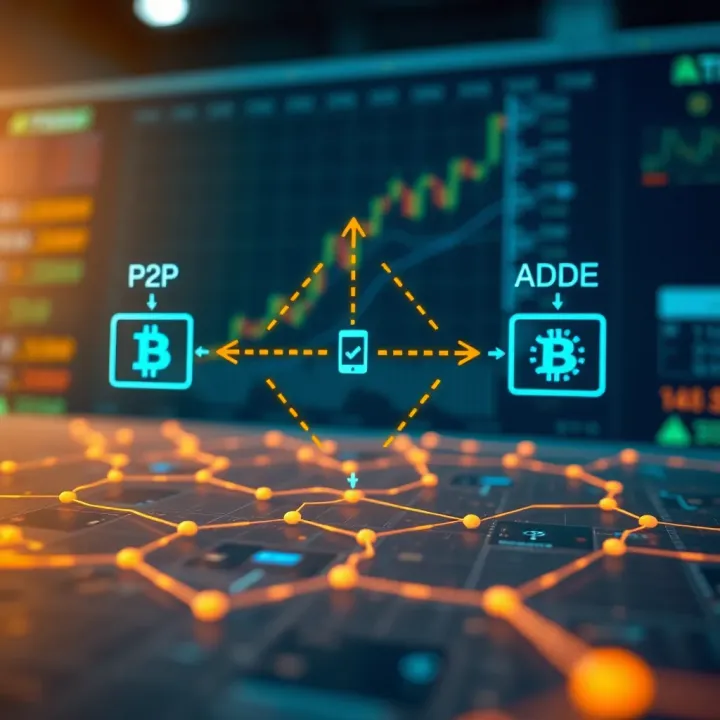
🔍 Explore P2P trading in South Africa: learn how to trade safely, discover trusted platforms & understand local regulations to make informed decisions.
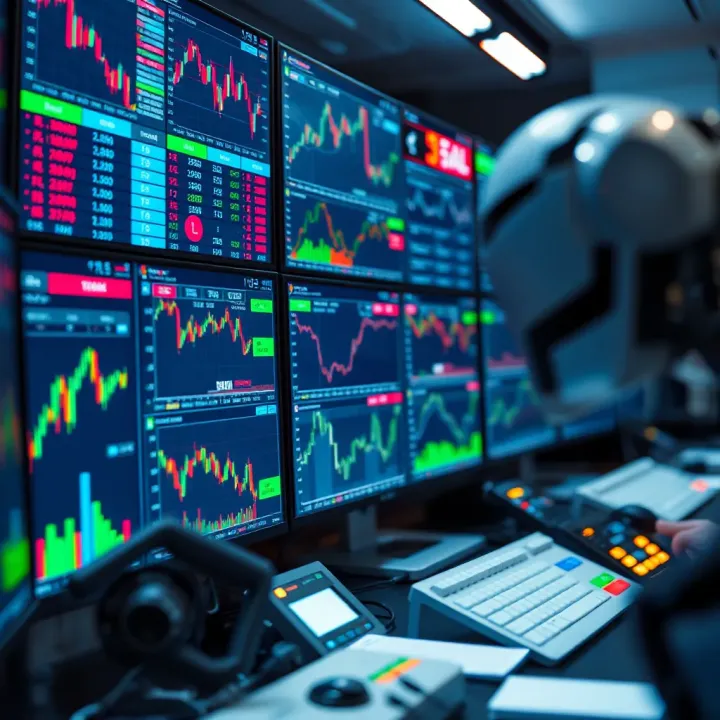
🤖 Explore robot trading in South Africa: learn how automated trading works, its pros and cons, key strategies, risks, and regulatory tips for investors.
Explore platform trading in South Africa 📈: understand key features, regulations 🇿🇦, pros & cons, and get expert tips for smarter trading decisions.
Based on 6 reviews