
Understanding IFX Minimum Deposit Requirements
💼 Understand IFX minimum deposit requirements, how they affect trading choices, funding methods, and smart investment tips for South African traders.
Edited By
Amelia Wright
Getting started with FXOpen involves understanding the minimum deposit requirements, a key factor for traders in South Africa who want to manage their investment capital wisely. FXOpen offers several account types, each with its own deposit threshold, which can affect your trading opportunities and risk exposure.
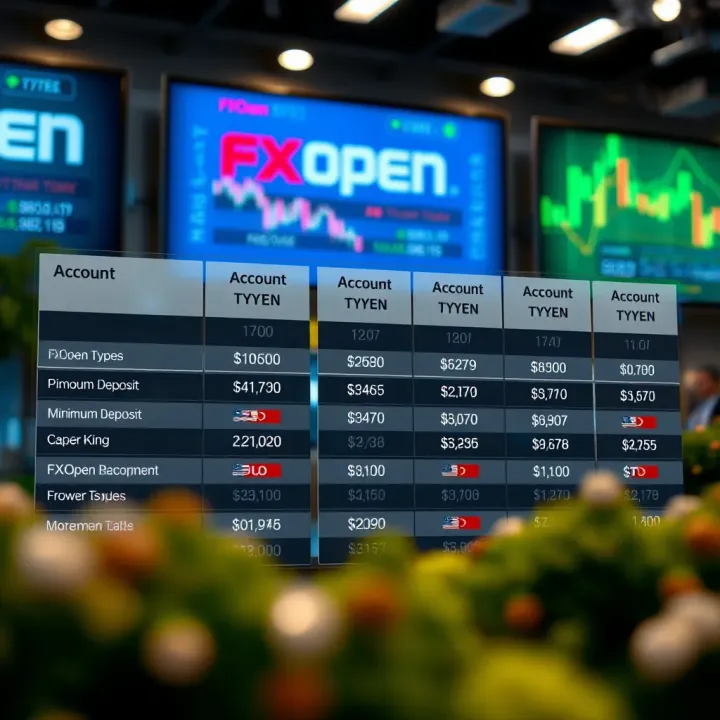
For standard accounts, FXOpen typically requires a minimum deposit of around R700 (approximately $50). However, this figure can vary depending on the account type:
Micro Account: Designed for beginners, often requires as little as R140 (around $10).
STP Account: Usually demands a higher deposit, around R1,400 ($100).
ECN Account: Typically the highest minimum deposit, starting from about R7,000 ($500).
Keep in mind, these amounts are in USD equivalents, so currency fluctuations can affect the exact Rand value.
FXOpen supports a range of deposit options popular in South Africa, including:
Bank Transfers (via EFT)
Credit/Debit Cards (Visa, MasterCard)
eWallets such as Skrill or Neteller
Cryptocurrency deposits for tech-savvy traders.
Processing times and fees vary, with bank transfers generally taking longer but often being cheaper.
Always check FXOpen's latest deposit guides and cross-verify with your preferred payment method to avoid surprises.
South African traders must be mindful that FXOpen accounts are usually denominated in US dollars, euros, or pounds. Deposits made in Rand will convert to the account currency, subject to exchange rates and potential fees. This conversion can add costs, especially amid rand volatility.
Minimum deposit amounts influence how much capital you commit upfront. Starting with a micro account makes sense if you want to test FXOpen’s platform without risking too much. On the other hand, ECN accounts require a more serious initial investment but offer tighter spreads and better execution.
Understanding these requirements helps you pick an account type suited to your risk appetite and budget. It’s wise to align your deposit size with your overall trading plan and expected returns, rather than just meeting the bare minimum.
Navigating FXOpen’s minimum deposit rules with these points in mind sets you up for smart trading decisions tailored to South African market realities.
Understanding FXOpen and its various account types is fundamental when considering the minimum deposit requirements. FXOpen isn't your average forex broker; it offers tailored options to suit different trading styles and budgets, which directly impacts how much you need to put down to start trading.
FXOpen is a broker established in 2005, known for catering to both beginner and experienced traders. It offers access to forex, cryptocurrencies, indices, and commodities, making it a versatile platform. For South African traders, FXOpen provides convenient deposit options and supports multiple currencies, including the Rand, which helps reduce conversion costs.
The Standard Account is a straightforward option for those new to trading or preferring smaller positions. It usually requires a relatively low minimum deposit, making it accessible for traders with modest starting capital. Trades here are executed with fixed spreads, which simplifies cost expectations. For example, a Standard Account might require a minimum deposit of around $100, making it easy for South African traders to enter the market without needing a large outlay.
For more seasoned traders who prefer tighter spreads and direct market access, the ECN (Electronic Communication Network) Account is a strong contender. It connects traders directly with liquidity providers, offering raw spreads but charging commission fees per trade to compensate. Minimum deposits are typically higher than the Standard Account, reflecting the more professional tools and tighter trading conditions you get. In FXOpen's context, the ECN Account demands a deposit that may start from $500 or more, so it's meant for those serious about active, frequent trading.
FXOpen is among the brokers in South Africa offering dedicated crypto accounts, catering to traders wanting to focus on digital assets. The Crypto Account supports various popular coins and has its own minimum deposit criteria, often tailored to the volatile crypto market. Since cryptocurrencies can fluctuate widely, this account type is designed with flexible deposit limits that encourage cautious entry. For instance, the minimum deposit here might be lower to attract novices dipping their toes into crypto trading but still comes with specific risk warnings and conditions.
Each account type serves a different trading purpose, and that determines the minimum deposit required. Standard Accounts usually have lower minimums to encourage wider participation, while ECN Accounts command higher deposits reflecting the more competitive trading environment. Crypto Accounts often fall somewhere in between, tailored for active crypto traders but with attention to market volatility.
Keep in mind that these minimums are not set in stone — FXOpen occasionally reviews them depending on market conditions or promotional offers. Also, the deposit method and your chosen currency can impact the final amount needed.
In practice, before funding any account, it’s wise to assess which account type matches your trading goals and budget. Say you’re a South African trader starting out with R2,000 to R4,000; the Standard Account would typically be your best fit. For higher-volume or algorithmic traders with bigger starting capital, the ECN Account makes better sense. Meanwhile, if you’re keen on crypto, the dedicated Crypto Account opens a door to multiple coins without juggling separate wallets.

With a solid grasp of FXOpen’s account types, you’re better placed to understand their minimum deposit rules and how they fit your trading plan.
Understanding the minimum deposit requirements across FXOpen’s accounts is key for any trader looking to start on the right foot. These thresholds determine how much cash you need upfront before you can begin trading, which affects your capital allocation and risk planning. Knowing the exact minimums helps prevent surprises and ensures you pick an account type that matches your trading budget and style.
The Standard Account at FXOpen is the most accessible for new traders or those who prefer smaller investments. It typically requires a minimum deposit of around $10 (approximately R180) depending on the currency you use. This low starting point makes it manageable for South African traders who want to test the waters without committing large amounts. For example, if you’re a student or part-time trader in Johannesburg, starting with a Standard Account allows you to trade forex and CFDs with a modest upfront investment.
For more experienced traders, the ECN (Electronic Communication Network) Account offers direct market access and tighter spreads but comes with a higher minimum deposit. FXOpen usually sets this at $200 (around R3,600), reflecting the increased trading advantages and professional tools provided. South African traders who demand faster order execution and better pricing often opt for ECN despite the steeper deposit, as the potential for tighter spreads can offset the initial cost if you trade actively. This account suits full-time traders or those with a more substantial trading bankroll.
FXOpen also supports crypto trading accounts, where minimum deposits generally start at $20 (about R360). The requirement balances accessibility with the price volatility common in digital currencies. This enables South African users interested in Bitcoin, Ethereum, or other crypto assets to enter the market without a heavy upfront cost. However, due to crypto’s fast price changes, having a higher deposit may sometimes be more practical to handle margin calls safely.
Keep in mind, deposit requirements can vary slightly based on currency choice and payment method, so it's wise to check current FXOpen terms before funding your account.
In short, the minimum deposit varies significantly with account type, and your choice should reflect your trading goals, risk tolerance, and capital availability. Whether you’re dipping a toe in forex with the Standard Account or diving deeper with ECN or crypto options, planning your deposit smartly will set you up for smoother trading ahead.
Choosing a deposit method can significantly influence the minimum deposit requirements at FXOpen. Different payment channels have varying rules, fees, and processing times, which traders should consider before funding their accounts. In South Africa, where banking infrastructure and digital payment options are diverse, understanding these nuances helps manage costs and reduces delays.
Bank transfers remain a common and trusted way to deposit funds on FXOpen. For South African traders, using local bank transfers through its standard interbank systems can take one to three business days, depending on the sending and receiving banks. FXOpen generally expects a higher minimum deposit via bank transfers compared to e-wallets, partly due to transactional costs and security checks.
An advantage is the high transaction limit, useful if you plan to start with a sizeable sum. However, bank transfers might attract fees from local banks, and processing during Eskom loadshedding periods can slow down. It's wise to plan deposit timing accordingly.
Credit and debit cards offer swift deposits, often reflecting in your trading account almost immediately. FXOpen supports major cards such as Visa and Mastercard. The minimum deposit via card payments usually aligns with or is slightly lower than bank transfers.
Traders should note card payments may incur additional fees, depending on the issuing bank and card network's policies. Also, risk of declined transactions is higher if card limits or verification issues arise. Still, card deposits offer convenience, especially for beginners testing the waters with smaller amounts.
E-wallets bring flexibility and faster processing times, often with lower minimum deposits and fewer fees. FXOpen supports popular e-wallets including Skrill and Neteller, widely used in South Africa.
Skrill is a well-known digital wallet that allows users to deposit funds using various methods including cards and bank accounts. For FXOpen clients, Skrill deposits typically require a modest minimum amount, making it accessible for traders with limited starting capital. Given Skrill’s popularity, transfers are fast, usually instant, helping traders react quickly to market changes.
Much like Skrill, Neteller offers quick transfers and supports multiple currencies. The minimum deposit via Neteller on FXOpen is competitive and comparable to Skrill’s, providing South African traders an alternative digital pathway. Users appreciate Neteller for its straightforward interface and relatively low costs, especially when topping up via local banks.
Besides Skrill and Neteller, FXOpen accepts a handful of other e-wallets and mobile payment methods. These alternatives provide added convenience, especially for traders who prefer apps on their phones. While minimum deposit amounts vary across these options, they generally stay low and encourage entry-level trading without hefty upfront requirements.
FXOpen also lets traders deposit using cryptocurrencies like Bitcoin and Ethereum. Cryptocurrency deposits often bypass traditional banking restrictions and can be completed quickly, sometimes within minutes. The minimum deposit in crypto terms fluctuates according to market value but usually reflects a relatively low Rand equivalent.
For South African traders wary of local banking fees or looking to diversify payment methods, crypto deposits are attractive. However, price volatility and regulatory uncertainties mean it’s prudent to be cautious and time deposits carefully.
Different deposit methods at FXOpen impact not just processing speed but also minimum deposit levels and fees. Choosing the right option based on your trading amount and urgency can save money and ensure smooth account funding.
Choosing the right currency option influences not just the deposit amount but also trading costs and potential risks. FXOpen allows deposits in multiple currencies, which affects how much you'll actually put down as your minimum deposit. This matters for South African traders who might prefer using their home currency or well-established foreign currencies to avoid unnecessary conversion hassles.
Depositing in South African Rand is generally the easiest option for local traders. Paying in ZAR means you avoid upfront currency conversion fees when funding your FXOpen account. For example, if the minimum deposit is set at $10 USD equivalent, and you send in ZAR, your bank or payment provider will convert the funds — often at a rate with added margin. This can push your effective minimum deposit cost higher.
Using ZAR lets you hold your trading account in rand, reducing exposure to exchange rate shifts that can affect your capital before you even trade. However, not all account types at FXOpen may support ZAR as the base currency, so it’s wise to check your chosen account settings first.
USD is a dominant global currency and widely used in international trading platforms, including FXOpen. Depositing in USD often results in tighter spreads on USD-based pairs, potentially saving in transaction costs. South African traders sometimes use USD accounts to circumvent rand volatility. However, converting ZAR to USD through your bank or payment method might incur noticeable fees, and exchange rates can fluctuate between deposit and trade.
The Euro is also a popular deposit currency, especially for those trading EUR-related pairs. Holding a EUR account can help avoid double conversion if you mainly trade Eurozone currencies. But South African users need to consider additional conversion costs to EUR and possible fees when withdrawing funds back to ZAR.
Using GBP for deposits suits traders focusing on UK currency pairs or UK-based trading strategies. Like USD and EUR, GBP deposits can mean better alignment with specific market instruments. Keep in mind that conversions between ZAR and GBP often come with higher spreads or fees, especially outside peak banking hours in South Africa.
Currency conversion can add hidden costs to your deposit. When you fund your FXOpen account in a currency other than ZAR, or if FXOpen only accepts certain base currencies, you might face both the payment provider’s conversion fee plus FXOpen’s internal rates.
Always calculate conversion costs upfront: for instance, depositing R1,500 in ZAR may convert to roughly $90 USD, but fees and exchange margins might boost that to R1,600 or more.
To avoid surprises, compare your bank or payment provider’s exchange rates against the prevailing market rate. Using e-wallets or fintech solutions like Skrill or Neteller can sometimes offer better currency conversion rates than traditional banks. Where possible, opting to deposit in ZAR or a currency closely aligned with your trading pairs keeps costs down and streamlines your funding process.
In summary, currency options and their implications on minimum deposits are a practical concern for South African traders using FXOpen, affecting costs, convenience, and effective capital management.
South African traders face unique challenges when entering the forex market with FXOpen, especially around meeting minimum deposit requirements and navigating the country's infrastructural realities. This section focuses on practical tips that can ease the process, from choosing the right account to managing payments during loadshedding, which often disrupts both internet and electricity access.
Deciding on the appropriate FXOpen account is the first step. Each account type—whether Standard, ECN, or Crypto—carries different minimum deposit demands. For instance, the Standard Account typically requires a lower deposit, making it ideal for beginners or those cautious with their capital. In contrast, ECN accounts might need a higher starting deposit but offer tighter spreads and direct market access, which professionals might prefer.
Choosing wisely can save you from locking funds you cannot afford to allocate. For example, if you’re a South African retail trader with limited capital, putting down R1,000 for a Standard Account makes more sense than stretching resources to meet the R10,000 needed for ECN. On top of that, consider your trading style and goals, as the account impacts spreads, commissions, and leverage options.
Before sending money, ensure your funds meet FXOpen’s minimums and come from an approved source. South African banks require compliance with the Financial Intelligence Centre Act (FICA), so depositting funds from an unverified account might trigger delays. Also, converting ZAR to USD or EUR before deposit may incur currency conversion fees, which should be accounted for to avoid falling short of the minimum.
Plan your deposit at a time when bank processing is organised—avoid weekends or public holidays when clearance might stall. Also, confirm payment methods: some South African users prefer e-wallets like Neteller or Skrill, which can be faster, especially if you want to dodge bank delays.
Loadshedding is a reality in many parts of South Africa and can disrupt your ability to deposit funds promptly. If you're depending on an online bank or e-wallet, a power cut might mean your internet drops or you lose access to banking apps. It pays to:
Use mobile data during power outages if your Wi-Fi is down, and your cellphone battery permits.
Charge devices beforehand or have a backup power source like an inverter or power bank.
Schedule deposits outside typical load-shedding hours. You can check Eskom’s scheduled stages through their app or local news.
Failure to manage this can cause delays or even cancellations of deposit transactions, risking missed trading opportunities.
Just like deposits, FXOpen has conditions on withdrawals which every South African trader must know. Withdrawals often have minimum limits—say R500 or equivalent depending on the account and currency—and may require the same payment method as deposits due to anti-money laundering rules.
It's practical to keep track of the timing and fees related to withdrawals since banks and payment providers in South Africa might charge for international transfers or currency conversions. Planning withdrawals with these in mind helps avoid unexpected costs and ensures smoother access to your funds.
In summary, South African traders should carefully pick their FXOpen account type, manage deposits around local infrastructure challenges like loadshedding, and stay aware of withdrawal rules to trade efficiently and securely.
💼 Understand IFX minimum deposit requirements, how they affect trading choices, funding methods, and smart investment tips for South African traders.

Explore RCG's minimum deposit requirements for trading 💰 Compare policies, funding tips, and key factors to set your investment pace confidently.
💸 Learn about Luno's minimum deposit amounts in South Africa, compare payment options, fees, and get practical tips to start your crypto journey smoothly and confidently.
💰 Learn about Deriv's minimum USD deposits, payment options, account types & tips for secure funding—ideal for South African traders handling USD safely.
Based on 13 reviews