

Understanding P2P Trading in South Africa
🔍 Explore P2P trading in South Africa: learn how to trade safely, discover trusted platforms & understand local regulations to make informed decisions.
Edited By
Sophie Reed
Starting your trading journey can feel overwhelming, especially with so much talk about complex strategies and market jargon. The good news is, you don’t need to splash out money before you even know the basics. Free trading courses online offer a solid way for South Africans to grasp trading fundamentals without risking capital upfront.
These courses usually cover essential concepts such as market types (stocks, forex, commodities), fundamental and technical analysis, risk management, and trading psychology. For example, you might learn the importance of setting stop-loss orders to prevent heavy losses or how to read candlestick charts to spot entry points.
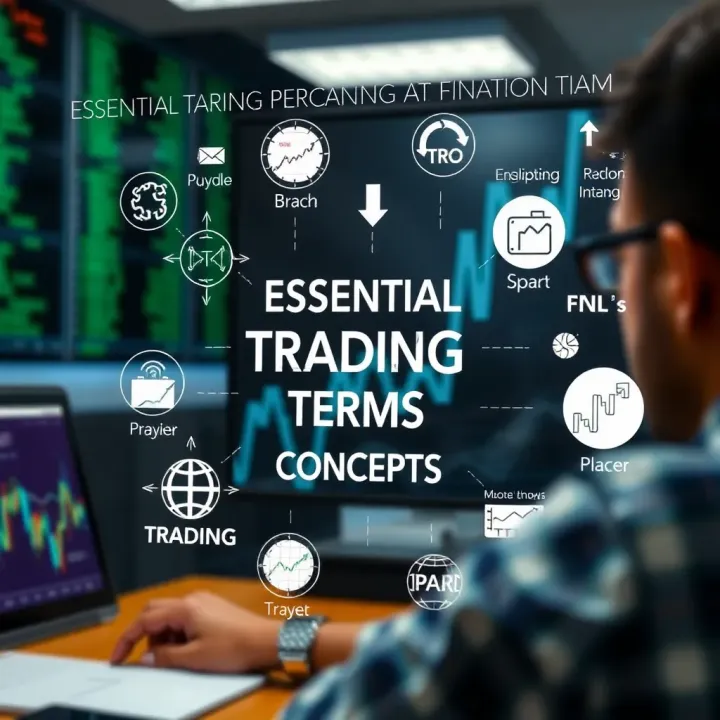
Free courses give you a chance to understand how the markets tick and practise strategies in a risk-free environment.
Look out for courses that include practical simulations or demo accounts. This is where you can apply your knowledge with virtual money, replicating real market conditions without financial risk. Practising trades in this way builds confidence before you commit real Rand.
When choosing a free trading course, consider your own goals: Do you want to day trade, invest long term, or understand forex? Also, check the course’s relevance to South African markets—some platforms might focus heavily on Wall Street or other international exchanges, which behave differently.
Managing your expectations matters too. Free courses vary in depth; some cover basics in an hour, others go deeper over several weeks. A good course balances theory with practical tips and clear explanations of trading tools like MT4, TradingView, or broker platforms popular locally.
In short, a free trading course is your first stepping stone. It introduces trading language, techniques, and the mindset needed, without upfront investment. Approach these courses patiently—trading skills develop over time with consistent learning and practise.
Next, we will explore how to identify quality free courses and which key topics to focus on for practical learning tailored for South African traders.
Free trading courses provide a solid starting point for anyone eager to explore the markets without paying upfront fees. They open up access to foundational trading knowledge, practical skills, and essential tools that beginners and seasoned traders alike can draw from. The value lies not only in cost savings but also in the chance to test the waters before committing real funds.
Beginners taking first steps will find free trading courses especially helpful. These courses break down complex topics into digestible lessons, often starting from the basics such as understanding what shares, bonds, and currencies are. For example, a young professional from Johannesburg looking to start investing but unsure where to begin can build confidence and clarity through such a course. They get familiar with trading jargon and learn to navigate trading platforms, which means fewer surprises when they start trading live.
Experienced traders refreshing basics also benefit from free courses. Even if you’ve been trading for a while, going back to core concepts can sharpen your understanding or reveal areas you might have overlooked. Take a trader in Cape Town who specialises in forex but wants to expand into shares on the JSE; revisiting the fundamentals via a free course can ease this transition and reduce costly mistakes.
Budget-conscious learners are another group who stand to gain a lot. Trading courses can be pricey, and not everyone has the R to pay hundreds or thousands upfront. Free courses let you gain valuable insights and knowledge without the financial strain, perfect for students, unemployed individuals, or casual investors testing their interest before investing more.
Most free trading courses include video lessons and tutorials as their core content. These bite-sized videos explain concepts clearly, often with visual charts and examples. This format suits different learning styles and helps learners pause and rewind to fully digest tricky subjects. For instance, a lesson on reading candlestick charts might include real-time examples from the JSE, making it directly relevant.
Another key feature is practice accounts and simulations. These allow learners to trade virtual money in realistic market environments. For South Africans, brokers like IG or EasyEquities offer demo accounts where users can try strategies without risking real capital. It’s an invaluable step because trading psychology and decision-making improve the more you practise in a risk-free setting.
Lastly, community forums or support networks often accompany free courses, creating space for learners to ask questions and share experiences. Engaging with fellow traders can clarify doubts, expose you to diverse perspectives, and build motivation. A simple question about recent ETF movements might get quick, insightful replies from more experienced members familiar with local market nuances.
Free trading courses are not just about saving money; they serve as a practical learning space where you can grow trading skills while avoiding beginner pitfalls. Making the most of features like video tutorials, demo accounts, and active communities sets a strong base for your trading journey.
Understanding the key topics in free trading courses is vital for anyone wanting to build a solid foundation in trading. These courses often cover core concepts and practical tools that help you grasp how markets operate, let you practice strategies, and make informed decisions. Whether you’re eyeing the JSE or international markets, knowing what to expect from these topics sets you up for success.
Shares represent ownership in a company, giving you a stake in its profits and decision-making. Bonds are essentially loans you give to governments or companies, and they pay you interest over time. Commodities cover goods like gold, oil, or maize — basic products traded globally. Grasping these basics matters because each asset type has different risk, return, and market behaviours which affect your investment choices.
For example, South African investors might consider buying shares on the JSE or trading gold as a commodity. Knowing the difference helps you decide if you want to take ownership, earn fixed income, or speculate on raw materials.
When you enter a trade, the order type you choose influences how and when the transaction happens. Common examples include market orders (buy or sell immediately at current prices) and limit orders (set a specific price to trigger the trade). Understanding these ensures your trades execute as intended and prevents surprises.
Familiarity with market terms like bid, ask, spread, and volume helps you navigate trading platforms confidently. For instance, knowing the spread—the difference between buying and selling prices—shows you the immediate cost or profit potential of your trade.
Every trade carries risk—the chance your investment loses value—and potential reward, the profit you can make. Understanding this balance is key for protecting your capital and aiming for gains. Free courses teaching risk management often explain concepts like stop-loss orders to limit losses and position sizing to avoid risking too much at once.
Grasping risk-reward dynamics means you can make better decisions, avoiding impulsive trades and knowing when a potential reward justifies a risk. For instance, a forex trader might set a stop-loss at 1% of the trade value and aim for a 2% gain, keeping risk manageable.
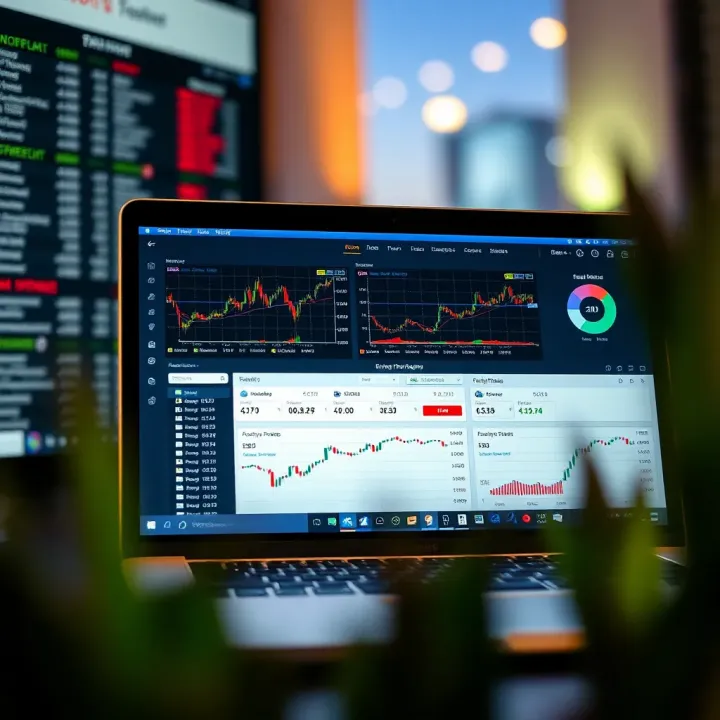
Charts visually show how prices move over time and are fundamental tools for traders. They help spot trends—whether prices generally rise, fall, or move sideways. Recognising these patterns guides decisions on when to enter or exit trades.
For example, a trader noticing a steady upward trend in a share listed on the JSE might decide to buy early to catch gains. Conversely, spotting a downtrend signals caution or a selling opportunity. Free courses usually teach chart types like candlestick, line, and bar charts to interpret market behaviour.
Indicators are mathematical calculations based on price and volume that aim to predict future price moves. Popular ones include the Moving Average Convergence Divergence (MACD) and Relative Strength Index (RSI). These create “signals” telling you when a market might be overbought, oversold, or ready to change direction.
Mastering indicators helps you avoid chasing markets blindly. For instance, seeing an RSI below 30 on a commodity suggests it might be undervalued and due for a bounce back, so you could look for buying chances. Free courses often guide learners on combining different indicators for more reliable signals.
Fundamental analysis focuses on evaluating a company’s financial health and the broader economic context. This means reviewing financial statements, earnings reports, and news like government policies or commodity price changes.
For example, a South African trader assessing a mining stock would check quarterly results, production levels, and global commodity demand. Understanding these helps predict if a company’s share price might rise or drop, shaping longer-term investment decisions.
Combining both technical and fundamental analysis equips you with a rounded view of markets, letting you trade smarter rather than guessing. Free courses provide basic frameworks to start practising these crucial skills without having to pay initially.
Selecting the right free trading course can save you time, effort, and even a bit of R down the line. Not every course matches every trader's needs, which is why understanding what to look for is key. The right course fits your experience level, learning style, and trading goals, especially important for South Africans dealing with local market quirks and regulations.
Checking instructor background helps ensure that you're learning from someone who knows their stuff. Look for courses where the instructor has verifiable trading experience or qualifications relevant to South African markets — for example, a former JSE analyst or a trader with several years on the floor. An instructor who shares practical insights, not just textbook theory, usually provides better value.
Reading learner reviews offers real feedback from those who’ve walked the path before you. Honest reviews often reveal strengths and weaknesses in the course content, pacing, and support. Pay attention to feedback from South African learners, as they can highlight local relevance or gaps in the course, such as omission of FSCA regulations or tax considerations.
Verifying course updates is vital because financial markets constantly evolve. A course last updated years ago might leave you with outdated tactics, especially around high-volatility trading or new tech tools. The best courses usually mention recent updates or add new lessons reflecting current market conditions, such as how to navigate loadshedding impacts on trading platforms.
Focus on shares, forex, or other markets matters because each requires different approaches and knowledge. For instance, if you want to trade on the JSE, look for courses that specifically include shares, dividend concepts, and South African ETFs. On the other hand, forex trading demands an understanding of currency pairs and global macroeconomics. Pick a course aligned with your target market to avoid wasting time on irrelevant material.
Short courses versus comprehensive programmes present a trade-off. Short courses can quickly cover basics and suit learners wanting to test the waters without commitment. In contrast, comprehensive programmes dive deeper into strategies, risk management, and even psychology. For serious traders aiming to build a career or significant side income, a longer course might be worth the investment.
Local market relevance can’t be overlooked. South African traders face unique factors like the rand-dollar exchange rate, local tax laws, and FSCA regulatory requirements. A course that includes these topics helps you navigate practical challenges, such as accounting for capital gains tax on JSE trades or complying with FSCA licensing when you decide to trade professionally.
Choosing wisely can turn a free trading course from a generic introduction into a tailored foundation that serves your trading ambitions well, especially within South Africa’s distinct financial landscape.
By carefully weighing these factors, you’ll avoid common pitfalls and set yourself up for a smoother, more effective learning experience.
Before risking real money, practising trading safely is a vital step for anyone serious about building skills without jeopardising finances. South Africans new to trading can use demo accounts and simulators to get hands-on experience in a risk-free environment. This practical trial helps understand market movements, develop discipline, and refine strategies before entering live markets.
Most local brokers and trading platforms catering to South Africans offer demo accounts. For example, brokers like EasyEquities, Plus500, and IG provide free simulated trading accounts that mirror real market conditions on the JSE and international markets. Demo accounts typically come with virtual funds allowing learners to test buys, sells, and order types without financial risk. Using these platforms keeps you familiar with tools and interfaces found in live trading.
A good trading simulator should offer real-time data, a user-friendly interface, and a variety of order types to mimic true trading scenarios. It also helps if the platform allows practising on different markets—shares, forex, or commodities—which boosts adaptability. Some simulators come with built-in educational resources and alerts, guiding users through common pitfalls and market signals. This creates a more complete learning experience.
Simulated trading offers the chance to understand market volatility and build confidence without the stress that comes with losing money. It lets you try strategies, see the impact of sudden price changes, and identify errors early. For instance, practising a day trading approach on a demo account can reveal if your reaction times and money management are sharp enough before committing actual funds.
Maintaining a detailed trading journal—whether digital or in a notebook—is an effective way to track every trade’s reasoning, outcome, emotions, and lessons learned. This habit sharpens self-awareness and accountability. A simple example: writing down why you entered a trade (based on technical indicators, news, or gut feeling) helps identify patterns that work or fail.
Regularly reviewing your trades allows you to question choices and understand where emotions like fear or greed may have biased actions. Being honest about bad decisions and recognising successful tactics encourages steady improvement. For instance, noting a tendency to exit winning trades too early might show the need to trust your analysis more.
The whole point of simulated practice and journaling is to refine your trading method. Adjusting strategies based on past performance reduces costly mistakes in live settings. Say your risk management is too loose in simulation; you can tighten stop losses before investing real Rands. Iterative tweaks ensure your approach is data-driven and personalised for better outcomes.
Practising risk-free through demos and careful reflection builds a strong foundation, making the jump into real markets less daunting and more informed.
Starting cautiously with smart preparation can mean the difference between blowing capital and gaining steady growth in your trading journey.
Trading from South Africa offers unique opportunities and challenges shaped by the local market, regulations, and international factors. Understanding these aspects helps new traders make informed decisions and avoid common pitfalls. This section breaks down key points about market access, compliance, and financial considerations that matter most for South African investors.
South Africa’s Johannesburg Stock Exchange (JSE) is the largest in Africa and provides a solid starting point for local traders. It lists a wide range of shares, exchange-traded funds (ETFs), and derivatives suited to varying risk appetites. Local platforms like EasyEquities, Standard Bank Online Trading, and FNB Share Investing offer accessible ways to buy and sell on the JSE with relatively low fees. These platforms often have educational resources to complement your free trading course experience.
Trading locally means you avoid complicated currency conversions and can follow company news and economic developments that directly affect share prices. For example, sectors like mining or banking are heavily influenced by South African economic factors such as mining royalties or interest rate changes set by the South African Reserve Bank (SARB).
To diversify your portfolio, you might want access to international markets such as the New York Stock Exchange (NYSE) or London Stock Exchange (LSE). Several South African brokers, including local arms of global platforms like Interactive Brokers or local providers like SatrixNOW, allow you to trade foreign shares, ETFs, or currency pairs.
However, investing overseas introduces layers of complexity, including foreign exchange risks and additional costs. For instance, buying US-listed shares requires converting Rands into US dollars, impacting your returns depending on exchange rate fluctuations. Also, international trades often involve higher brokerage fees and taxes.
Exchange rates can significantly affect returns when trading foreign assets. If the Rand weakens against the currency of the asset you hold, your returns in Rand terms improve. Conversely, a stronger Rand reduces the Rand value of your foreign holdings. This volatility adds another risk element traders must monitor.
On top of exchange rate risks, transaction costs can eat into profits. These include brokerage fees, settlement charges, and sometimes foreign withholding tax on dividends. For example, a trader buying US shares may pay a custodian fee or require a foreign tax clearance certificate to correctly declare dividends to SARS, South Africa’s tax authority.
Keeping an eye on both currency movements and all costs involved helps South African traders avoid surprises and protect their overall investment returns.
The Financial Sector Conduct Authority (FSCA) oversees financial markets in South Africa to protect investors and ensure market fairness. When choosing a broker or trading platform, confirm it is licensed and regulated by the FSCA. This regulation means your investments have a degree of legal protection, and the platform follows rules that prevent fraud or market manipulation.
For beginners using free trading courses, understanding FSCA compliance helps distinguish credible platforms from risky or unregulated ones. Always check the FSCA register, which is public, before committing funds.
Trading profits in South Africa are taxable, but the exact treatment varies depending on your trading activities. Occasional, long-term investors usually pay capital gains tax (CGT) on profits, which currently offers an annual exclusion and a partial inclusion rate.
However, if you trade frequently or professionally, SARS may classify your profits as normal income, taxed at your marginal rate. Additionally, dividends earned are subject to dividends tax at 20%. Keeping accurate records of trades, profits, and losses is critical for proper tax reporting.
Many South African traders use accounting software or consult tax advisors familiar with trading to navigate these rules. Ignoring tax obligations can lead to penalties later, so it pays to be upfront about your trading income.
Trading always involves risk, but South African law provides a framework to protect you as a trader. Licensed brokers must keep your money separate from their own and report suspicious activities to the FSCA.
Still, scams and unlicensed schemes exist, especially online. Beware promises of guaranteed returns or high leverage products without clear risk disclosures. Legal recourse can be slow and complicated, so prioritise reputable platforms.
Additionally, market risks such as volatility, slippage, and liquidity affect all traders. Learning to manage these risks through sound strategy and discipline complements any free trading course and safeguards your capital.
A solid grasp of the regulatory and tax landscape helps South African traders trade smartly, protecting both their investments and personal wellbeing.
🔍 Explore P2P trading in South Africa: learn how to trade safely, discover trusted platforms & understand local regulations to make informed decisions.

🤖 Explore robot trading in South Africa: learn how automated trading works, its pros and cons, key strategies, risks, and regulatory tips for investors.
🤖 Explore how robot trading automates forex deals using algorithms, plus tips on pros, risks, and regulation for South African traders.
Explore platform trading in South Africa 📈: understand key features, regulations 🇿🇦, pros & cons, and get expert tips for smarter trading decisions.
Based on 15 reviews