

Solana Price Prediction for Tomorrow: Key Insights
📈 Curious about Solana's price tomorrow? Check out market trends, technical signals & expert views to plan your next move in the crypto scene. 🚀
Edited By
Ethan Walker
Understanding gold price predictions today is key for anyone involved in trading or investing here in South Africa. Gold has long been seen as a safe haven during volatile economic times, but its price dynamics can be tricky to follow given the mix of global influences and local economic shifts.
Currently, the gold market reacts not only to international trends like the US dollar strength and global inflation rates but also to South Africa’s specific factors such as currency fluctuations of the rand, mining output variations, and geopolitical events that impact the Afrikaner economy.
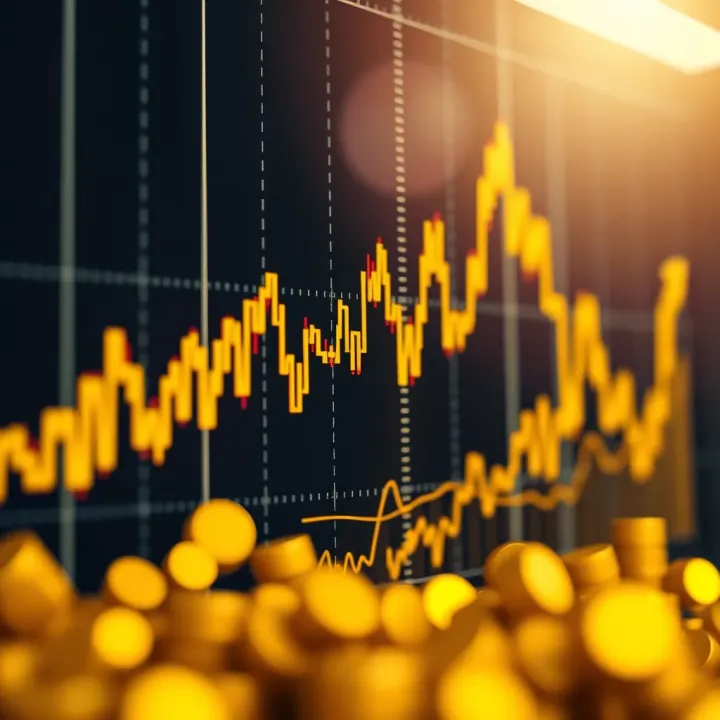
Gold prices are shaped by a complex interplay of demand-supply fundamentals, monetary policy, and investor sentiment — all of which can shift quickly, requiring close monitoring.
Take, for example, the recent movements when Eskom’s load shedding intensified. This uncertainty often makes investors shift towards gold as a form of insurance against rand depreciation and economic uncertainty. On the opposite side, stronger commodity prices and a stable rand typically ease some pressure off gold demand.
When thinking about what to expect, remember these key influences:
US Federal Reserve decisions: Rate hikes can strengthen the dollar, which tends to push gold prices down.
Inflation trends: Persistently high inflation often triggers increased interest in gold as a hedge.
Local mining production: South African gold output affects supply levels and employment within the sector.
Political and economic stability: Policy changes or unrest may drive investors to or away from gold.
For traders and investors, staying ahead means keeping tabs on these signals and adjusting strategies promptly. Whether you’re using gold as a portfolio diversifier, a hedge against currency risk, or speculative gain, knowing the market’s pulse is vital.
In what follows, we’ll explore these factors in more detail, decode expert opinions, and offer practical advice tailored to the South African context to help you navigate fluctuations confidently.
Grasping the current gold market trends is essential for anyone involved in trading or investing, especially in a volatile economic environment like South Africa's. Gold prices don't just follow a single factor; they're influenced by a complex mix of global shifts and local forces. By understanding these trends, you can make smarter decisions about when to buy, sell, or hold your gold assets.
Global price fluctuations play a major role in the value of gold on the Johannesburg market. When the US dollar weakens due to economic uncertainty or policy changes, gold often gains ground as investors flock to it as a safe haven. For example, during recent geopolitical tensions in Eastern Europe, gold prices saw a notable spike as traders sought stability against currency volatility.
Moving on to the local market impact, the South African rand’s strength or weakness against the dollar directly affects gold prices domestically. Since gold is mostly priced in USD globally, a weaker rand means higher Rand gold prices, making it more expensive locally but potentially more profitable for producers. Conversely, a stronger rand can cool domestic prices, affecting demand among South African investors.
Looking at recent historical trends, gold has shown resilience during periods of high inflation and political uncertainty, which South Africa has experienced regularly. For instance, during the last spikes in Eskom’s loadshedding stages, gold prices subtly reacted to the broader economic concerns, reflecting how local disruptions feed into market confidence.
Inflation and currency strength remain at the core of price swings. When inflation spikes, the purchasing power of cash declines, pushing investors towards gold as a store of value. South Africa’s inflation rate, hovering around 6% in recent times, impacts the appeal of gold relative to cash or bonds. Meanwhile, a strong rand can dampen gold prices locally, but it might discourage imports, which again shifts demand patterns.
Geopolitical events such as conflicts, trade wars, or financial crises send shockwaves through global markets, often pushing gold prices up. When conflicts disrupt supply chains or investor confidence, gold shines as a reliable asset. The trade tensions between the US and China in past years are a clear example, boosting gold as an alternative investment.
Finally, supply and demand factors shape gold prices too. Mining output in South Africa, a key supplier, can vary based on labour strikes, regulatory hurdles or operational issues, influencing supply. Demand from jewellery makers, industrial users, and central banks—especially in Asia—also moves prices. Lower supply coupled with steady demand tends to push prices upward, an important point for investors to watch.
Staying informed on these aspects helps you navigate the gold market with greater confidence and spot opportunities even when prices swing wildly.
Understanding these market trends is more than just following charts—it means recognising the economic and political rhythms that influence South Africa’s unique position in the gold market.
Understanding South Africa's economic factors is key to interpreting gold price movements locally. These factors shape how gold trades relative to other assets and currencies, influencing decisions of investors and miners alike. In particular, the performance of the rand, inflation rates, monetary policy, and mining output play significant roles in setting gold's local price.
Since gold is priced internationally in US dollars, the exchange rate between the rand and the dollar largely determines the local gold price. If the rand weakens against the dollar, gold becomes more expensive in rand terms without necessarily changing in dollar value. For example, during periods of rand depreciation — often triggered by political uncertainty or weak economic data — South African buyers tend to pay more for the same ounce of gold.
Conversely, a stronger rand relative to the dollar usually means cheaper local gold prices. Traders watch this aspect closely, as shifts in currency can impact profitability for miners and appeal for investors in South Africa who measure prices in rand.
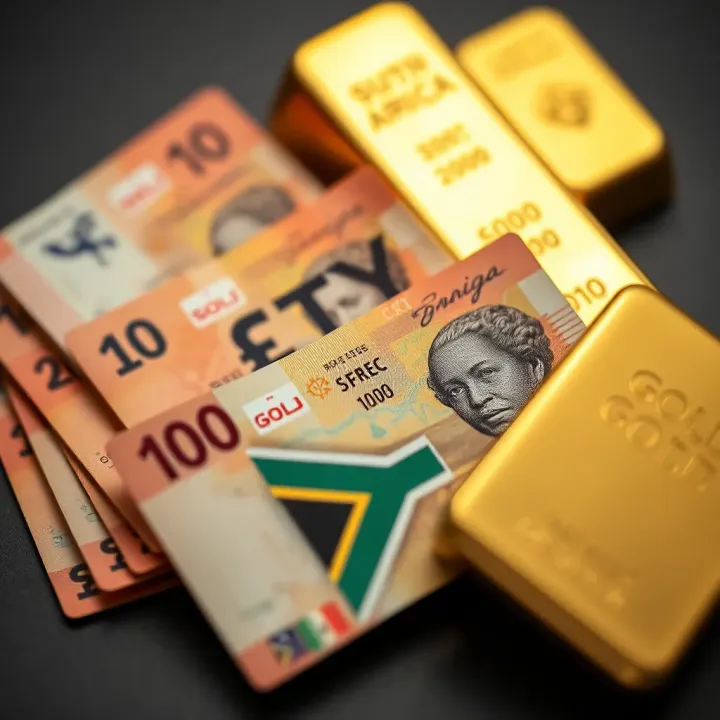
The rand-dollar exchange also affects costs for mining companies, including equipment and technology imports priced in dollars. When the rand slips, import costs rise, squeezing margins for South African miners. At the same time, since gold exports bring in revenue in dollars, a weaker rand increases rand earnings from foreign sales, partially offsetting increased import expenses.
This dynamic means that mining companies and investors must balance these fluctuations carefully. For instance, a slump in the rand may boost export income but raise operational costs, influencing stock prices and dividends in mining firms tied to gold.
Inflation in South Africa directly impacts gold prices as investors typically view gold as a hedge against rising costs. When consumer price inflation accelerates — as seen when food and fuel prices rise amid supply tightness or currency weakness — demand for gold may increase.
Recent inflation data from Statistics South Africa showing an uptick beyond the South African Reserve Bank's 4-6% target band tends to create cautious sentiment in markets. Investors often flock to gold to protect purchasing power, pushing local gold prices higher.
South Africa's interest rates and monetary policy decisions, guided by the South African Reserve Bank (SARB), also influence gold prices. Higher interest rates make bonds and savings accounts more attractive relative to non-yielding gold, potentially dampening gold demand.
On the flip side, rate cuts to stimulate economic growth can weaken the rand and spark inflation fears, thus lifting gold's appeal. For example, during SARB’s rate reductions in 2020 amid global downturns, gold prices locally benefitted from increased investor interest.
The health of South Africa’s mining sector remains a crucial factor given the country's significant gold production history. Production efficiency, labour disputes, and regulatory changes can all affect supply.
If mines reduce output due to strikes or regulatory uncertainty, lower gold supply could elevate prices. Conversely, improved mining technologies or expansions can increase output, potentially capping gold price rises. Investors tracking South African mining companies' quarterly reports can spot signals for expected price trends.
Economic factors like the rand’s movement, inflation, interest rates, and mining output collectively shape South Africa's gold market. Staying informed on these provides a practical edge for investors navigating gold price fluctuations locally.
Experts offer critical insights that help traders, investors, and financial analysts make sense of the gold market’s twists and turns. Their analysis bridges raw data and market behaviour, providing nuanced forecasts that account for both current events and longer-term trends. This guidance is particularly useful in volatile conditions, where reacting swiftly with sound information can protect investments or capitalise on opportunities.
Short-term price predictions focus on how global economic shifts, currency moves, or geopolitical jitters might influence gold prices over days to weeks. Analysts often use technical indicators alongside recent news — for example, rising inflation figures or fresh Eskom loadshedding announcements can spark quick gold price adjustments. For a South African investor, understanding these short-term signals enables tactical decisions such as timing purchases ahead of likely price hikes.
Mid- to long-term outlooks consider broader economic cycles and fundamental factors. This might involve examining the SARB’s interest rate trajectory, mining output projections, and global demand from major buyers like India and China. Such analysis helps investors weigh whether gold remains a stable store of value amid economic uncertainty. For instance, forecasts might predict gradual appreciation of gold over the next year tied to persistent rand weakness or ongoing geopolitical tensions, suggesting a hold or gradual accumulation strategy.
Mining companies’ expectations offer an insider angle on supply prospects. Companies like AngloGold Ashanti and Harmony Gold regularly share insights on operational costs, exploration successes, and planned expansions. Changes here can influence market supply and price pressures. For example, unplanned stoppages at key mines due to local labour issues or power cuts have in the past tightened supply, nudging prices upward. Awareness of these factors informs investors on the supply side dynamics beyond just market demand.
Investor sentiment and behaviour reflect how market participants respond to news and forecasts. In South Africa, fluctuations in exchange rates or repeated bouts of loadshedding can lead to shifts in risk appetite, causing some traders to move funds in or out of gold. Tracking sentiment indicators, like volume changes in gold ETFs listed on the JSE or surveys of investor confidence, provides practical clues on likely price momentum. A growing interest in gold born from economic worries usually precedes price gains, helping investors anticipate market movements before they fully materialise.
Staying tuned to expert views and industry insights equips you to understand not only where gold prices might head next but also how local and global forces shape those moves. It’s the kind of knowledge that turns prediction into practical market navigation.
Navigating the gold market today requires clear strategies that consider current price predictions and market volatility. Investors need to weigh how they hold gold, manage exposure to price swings, and decide their timing for buying or selling. Well-planned strategies help protect your investment and maximise returns, especially in South Africa where external factors like the rand’s fluctuation and global economic uncertainty affect gold prices.
Physical gold—like coins, bars, or jewellery—offers direct ownership, making it a popular choice for those cautious about market fluctuations and digital platforms. In South Africa, gold coins such as the Krugerrand are widely recognised and can be bought from reputable dealers or banks. The downside is storage and security costs; a safe or vault rental adds expense and inconvenience. However, holding physical gold can feel more tangible and secure during market chaos.
Exchange-Traded Funds (ETFs) offer a more accessible way to invest in gold without the hassle of storage. ETFs track gold prices and trade on stock exchanges like the JSE. For instance, NewGold ETF is a popular option in South Africa. They provide liquidity and lower entry costs but expose you to stock market dynamics and require trust in the fund manager’s handling of the physical gold backing the ETF.
Investing in shares of gold mining companies provides exposure to gold prices plus additional factors like operational efficiency and production levels. For example, AngloGold Ashanti and Gold Fields are key players listed on the JSE. Share prices reflect the company’s performance alongside gold prices, adding potential for greater gains but also higher risk.
This option suits investors seeking growth rather than pure gold exposure. Note that mining stocks can be influenced by other risks such as labour unrest, regulatory changes, and mining costs, which don’t affect bullion directly.
Gold prices can be unpredictable, reacting to geopolitical tensions or shifts in currency values. To manage this volatility, diversifying your gold investment across physical bullion, ETFs, and mining stocks can spread risk. For example, if mining shares falter due to operational snags, physical gold or ETFs might still preserve value.
It’s also wise to keep an eye on global events and rand performance since the local currency’s weakness often pushes up the rand gold price, cushioning against international dips.
Timing the market is tricky but key to maximising profits. Many South African investors watch the rand-dollar exchange rate closely: a weakening rand often signals a good buying moment for gold priced in rands. When global inflation fears or geopolitical risks rise, gold often gains, so these times can also guide purchase decisions.
Selling is ideal when prices hit local or global highs, but investors should avoid selling in panic during sudden dips. Setting clear price targets and sticking to them helps avoid emotional decisions. Tools like price alerts from financial platforms or brokerage apps can assist in making timely moves.
Effective strategies for investing in gold tie together choice of vehicle, understanding market shifts, and careful timing — essentials to navigate today’s unpredictable market.
By combining these approaches, investors can craft a balanced portfolio that protects against risks but capitalises on gold’s potential as a safe haven and growth asset.
Staying current on gold price movements and related news is vital for traders and investors aiming to make informed decisions. The gold market can shift rapidly due to a mix of global developments and local economic changes. Having reliable sources and tools at hand helps you spot opportunities or risks early and adjust your strategies accordingly.
Financial news platforms are essential for timely information and analysis related to gold prices. Platforms like Moneyweb, BusinessTech, and Fin24 provide daily updates on market trends, currency shifts, and mining news relevant to South Africa. These sites often feature expert commentary which can offer nuanced angles on how events like Eskom’s loadshedding or SARB's monetary policy affect gold investments.
These platforms go beyond mere price listings; they provide context on economic indicators such as interest rate decisions or inflation forecasts that influence gold. Using these sites regularly can give you a sharper edge, especially if you combine their insights with your own market observations.
Market reports produced by banks, brokers, and financial institutions add another layer of depth. For example, reports from FNB or Standard Bank analyse gold price drivers and project short- to medium-term movements based on current data. These documents often highlight risks like rand volatility or international demand changes that are crucial for local investors.
Reading market reports can help you understand the bigger picture behind price shifts and supply–demand dynamics in South Africa’s mining sector. They’re particularly useful if you’re evaluating longer-term positions or comparing investment vehicles.
Price alert apps keep you instantly informed of gold price changes. Apps such as the Gold Price Live app or even brokerage apps used by South African investors send notifications when prices hit certain levels you’ve set. This feature is handy when you cannot monitor markets continuously but want to act quickly on favourable movements.
Being alerted to sudden price dips or spikes means you won’t miss key trading moments—especially during volatile periods influenced by global shocks or local events like strikes in the mining sector.
Economic calendars track scheduled events that could sway gold prices. These include SARB interest rate announcements, US Federal Reserve updates, or major mining company earnings releases. Knowing when such events will occur helps you prepare for likely price volatility and avoid surprises.
By following economic calendars from sources like Investing.com or local financial news websites, you can time your trades and portfolio rebalances better. For instance, a scheduled hike in interest rates usually puts pressure on gold prices, so you might adjust your exposure ahead of such announcements.
Keeping an up-to-date grasp on news and price movements is key to navigating South Africa’s gold market confidently. Reliable local sources, combined with practical tools like alert apps and economic calendars, equip you to respond swiftly and wisely in a fast-moving environment.
Understanding where to find accurate information and how to use these resources effectively can make the difference between a smart investment and a missed opportunity.
📈 Curious about Solana's price tomorrow? Check out market trends, technical signals & expert views to plan your next move in the crypto scene. 🚀
📈 Discover the key factors affecting Solana's price and get clear insights into SOL's future trends. Stay informed about market shifts and tech updates.
Explore Ripple price trends 📈, tech insights 🔍, market factors, expert views, and risks to watch 🚨. Stay informed on XRP's future in South Africa and beyond.

Explore Tesla’s share price trends 📈, key factors, risks, and financial health to make smart investment decisions tailored for South African investors 🇿🇦.
Based on 10 reviews