
Options Trading Platforms in South Africa: A Guide
Explore how to pick the best options trading platforms in South Africa 🇿🇦, their key features, costs, and security tips for smarter investing 📈.
Edited By
Charlotte Hughes
Online trade platforms have become a cornerstone for traders, investors, and financial analysts, especially across emerging markets like South Africa. Whether you’re flipping shares, trading commodities, or dabbling in forex, understanding how these platforms work is essential.
These platforms have shrunk the gap between markets and everyday users, creating real-time access to investment opportunities that were once locked behind hefty fees and complex processes. But with options out there ranging from local platforms tailored for South African regulations to global powerhouses like Interactive Brokers or Plus500, choosing the right one isn’t just about picking the fanciest interface.
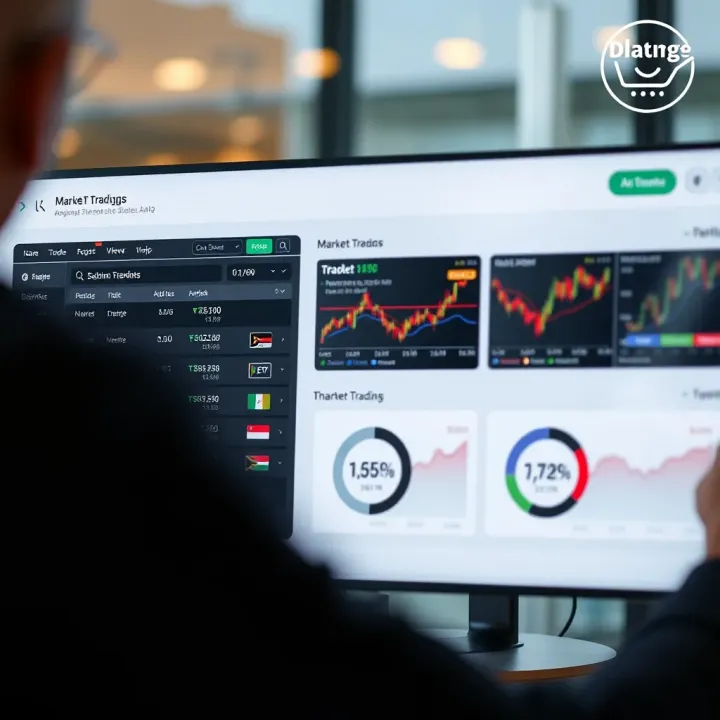
In this guide, we’ll break down the nuts and bolts of online trade platforms: what makes them tick, the variety you’ll encounter, and how to select and use them effectively. We’ll place special emphasis on navigating South African-specific concerns — including the financial regulatory environment and payment methods that actually work for local users.
By the end, you should feel confident stepping into the market, armed with practical know-how rather than getting lost in jargon or flashy promises. This isn’t just theory; it’s everyday insight for anyone looking to make smarter trading choices on online platforms.
In trading, the platform you choose can be the difference between hitting your goals or hitting a wall. Knowing the lay of the land helps you avoid costly mistakes and position yourself for success right outta the gate.
Getting to grips with online trade platforms is the first step for anyone serious about navigating the digital markets. These platforms aren't just convenience tools; they're the doors to global markets, enabling individuals and businesses in South Africa and beyond to buy and sell assets with a few clicks. Understanding how these platforms operate and what they offer is essential to use them effectively and wisely.
An online trade platform is a digital service that allows users to buy, sell, or exchange financial assets such as stocks, forex, commodities, or cryptocurrencies. Think of it as a virtual marketplace where buyers and sellers meet without the need for a physical exchange floor. These platforms provide real-time market data, tools for analysis, and execute trades instantly.
For example, take EasyEquities in South Africa—it’s designed to make stock trading accessible to everyday investors, offering fractional shares with low barriers to entry. The platform bridges the gap between complex financial markets and the average person who wants to participate.
The core purpose of an online trade platform is to facilitate smooth, secure, and transparent trading. This includes offering:
Market Access: Enabling users to enter various markets worldwide.
Order Execution: Processing buy and sell orders swiftly to capitalize on market movements.
Information Delivery: Providing essential tools and up-to-date data for informed decisions.
Effectively, these platforms aim to democratize trading and investing so that individuals no longer need hefty capital or expensive broker services to participate.
Typically, the journey starts by creating an account. This involves submitting personal details, verifying your identity (especially crucial in South Africa’s regulated environment), and agreeing to terms. For instance, in South Africa, platforms like ThinkMarkets require users to upload official identification documents due to FSCA regulation.
Setting up also means linking a payment method such as a bank account or credit card. This step ensures you can fund your trades and withdraw earnings securely.
Once your account is live, you gain entry to the market dashboards or interfaces. From here, you can browse available assets, check prices, and place orders. There are different types of orders:
Market Orders: Execute immediately at current prices.
Limit Orders: Set a specific price at which you want to buy or sell.
For example, if you want to buy shares in Sasol on the Johannesburg Stock Exchange, you’d enter a buy order and the platform routes it accordingly to ensure your purchase happens quickly.
After placing an order, the platform handles the behind-the-scenes process. The trade matches your order with a seller or buyer, confirms the transaction, and settles the payment. Settlement times vary—for stocks, it’s generally a few business days, while cryptocurrencies might settle nearly instantly.
The platform ensures funds move securely between buyers and sellers, updates your portfolio, and provides transaction records. This is especially important for accounting and tax purposes in South Africa, where keeping accurate records is legally required.
Remember: The speed and security of these processes can vary between platforms, so pick one known for reliable transaction handling.
Understanding these basics arms South African traders with the insight needed to choose the right platform and trade confidently, navigating both opportunities and risks in the online marketplace.
Navigating the world of online trade platforms means understanding the different types available. Each platform caters to specific markets and asset classes, shaping how you trade and what you can trade. Picking the right one isn’t just about what looks shiny or popular—it’s about matching the platform’s features to your trading style, goals, and the assets you want to deal with.
Stock and securities platforms are the bread and butter for many traders and investors. These platforms focus on buying and selling shares, bonds, ETFs, and similar financial products.
Features specific to stock trading usually include real-time market data, advanced charting tools, and order types that allow for precise control, such as limit orders and stop-losses. Many platforms offer fundamental analysis tools, helping traders assess company financials or market news. This is essential because unlike some other platforms, stock trading heavily relies on timely information and nuanced decision-making.
Examples common in South Africa include EasyEquities and Standard Bank’s WebTrader. EasyEquities, for example, is known for low minimum investments and user-friendly design, making it popular among beginners. Standard Bank’s WebTrader is more suited for seasoned traders needing access to a broader range of securities and advanced tools. Knowing what each platform offers helps traders avoid surprises and find one that fits their experience level and investment size.
Forex and crypto platforms stand apart from traditional securities platforms because they primarily deal with currency pairs and digital assets, rather than company shares or bonds.
The differences from traditional securities platforms include higher volatility, 24-hour market availability, and often leverage options that can amplify both gains and losses. Forex platforms tend to offer detailed insights on currency pairs, while crypto platforms focus on digital coins like Bitcoin and Ethereum. The nature of these markets requires platforms that support fast execution and robust risk management features.
Popular platforms for forex and crypto trading used in South Africa include IG Markets for forex and Luno for cryptocurrencies. IG Markets offers comprehensive tools tailored to currency traders, including educational resources geared towards managing forex risk. Luno is widely accessible in South Africa and is user-friendly for those new to cryptocurrencies, while also providing wallet integration and security features.
Trading commodities and derivatives introduces a different layer of complexity. These platforms allow investors to trade physical products like gold, oil, or wheat, or financial contracts based on those commodities.
Trading in commodities and futures demands platforms that provide clear pricing updates and support for contracts with expiration dates. Here, traders often bet on price movements without owning the actual commodity, which means understanding contract specifications and margin requirements is vital.
Platform characteristics and risk considerations include offering tools for hedging and managing margin. Derivatives can quickly lead to large profits or losses, making risk management features, like stop losses and alerts, a must-have. Examples in South Africa could be platforms like IG Markets and Plus500, known for their commodities and CFD offerings, which are equipped to handle the fast-moving nature of these markets.
Choosing the right type of platform depends heavily on your trading focus, experience, and appetite for risk. Each platform type comes with its own tools and challenges, so it’s smart to try demo accounts first to get a feel for what suits you best.
Understanding these types helps cut through the noise, so you can zero in on a platform that doesn’t just look good on paper, but actually supports your trading ambitions effectively.
Picking the right online trade platform isn't just about flashy graphics or catchy ads. It’s essential to weigh the key features carefully because these directly influence your trading effectiveness and safety. Let's explore the fundamental traits you want to focus on to ensure you get a platform that supports your trading style and financial goals, especially within the South African trading scene.
A straightforward user interface can be the difference between a smooth trade and a costly mistake. For beginners, platforms like EasyEquities shine by offering clean layouts and simple navigation, letting you get a grip without feeling drowned in technical jargon. For seasoned traders, platforms such as Standard Bank’s Webtrader provide advanced charting tools and customizable dashboards, balancing depth and usability.
Mobile and desktop availability is another key factor. Trading on the go is a reality now, and you'll want platforms that run smoothly on your phone and desktop alike. South African traders often use apps like IG Markets and Plus500 that provide seamless transitions from desktop trading to mobile apps, ensuring you never miss a market opportunity whether you’re on the couch or commuting.
The backbone of any online trade platform is how well it protects your data. Look for platforms that use strong encryption methods, such as AES-256, to secure your personal and financial information. Firstrade is a good example globally, but locally, the FSCA-regulated platforms also enforce strict data protection rules.
Two-factor authentication (2FA) is more than a buzzword; it's a necessity. By requiring a second form of verification—be it a text message code or an authenticator app—platforms add an extra layer of defense against hackers. South Africa’s SatrixNOW platform strongly encourages 2FA, making it a safer option for traders wary of cyber threats.
Protecting your investments means more than just making smart trades — safeguarding your account must be a top priority.
Understanding how much you’ll pay in fees can save you from nasty surprises. Look closely at commission fees; some platforms charge a flat fee per trade, while others percentage-based. EasyEquities, for instance, is praised for its low and transparent fees aimed at retail traders.
The spread—the difference between buy and sell prices—is another hidden cost that can erode profits. Forex platforms like HotForex advertise competitive spreads to attract users but be sure to compare across platforms.
Hidden charges are often overlooked but can add up. Watch carefully for inactivity fees, withdrawal charges, or fees on currency conversion if trading internationally. Make sure to read the fine print and ask the platform’s customer service directly if anything seems unclear. For example, some offshore platforms may hit you with high withdrawal fees or delayed payment processing, which can be a headache.
By keeping an eye on these key features, you can pick an online trading platform that not only fits your skills and goals but also keeps your trading experience secure and cost-effective.
Picking the right online trade platform isn’t just about clicking the first shiny thing you come across. It’s about matching the platform’s strengths with your own trading style and goals. Making the wrong choice can cost time, money, and peace of mind. With loads of options out there, from local South African platforms like EasyEquities to bigger international names like IG or Plus500, knowing how to pick what suits your needs is pretty crucial.
When figuring out which platform suits you, start by being honest about your trading style. Are you in it for the short haul or the long term?
Short-term vs. long-term trading: If you’re aiming to buy and sell assets quickly — think day trading or swing trading — you’ll want a platform with fast execution speeds and real-time data feeds. Platforms like ThinkMarkets or AxiTrader are popular with short-term traders for their quick trade processing and comprehensive charts. On the flip side, if you’re more about the slow and steady growth — holding investments over months or even years — you could look for a platform that offers low fees for long-term holdings and plenty of educational resources, like EasyEquities. Understanding your timeline helps avoid nasty surprises like excessive fees eating into your profits.
Types of assets you want to trade: What you want to trade will heavily impact your platform choice. Some platforms specialize — for instance, Luno focuses on cryptocurrencies, while others like Sasfin and Standard Bank Online offer broader options including stocks, forex, and commodities. If you plan to trade a mix — stocks, bonds, forex, maybe some crypto — go for platforms offering diverse asset classes. But if you’re a niche trader, say into agricultural commodities or futures, make sure the platform provides those markets. A mismatch here can leave you stuck or forcing trades through multiple platforms, which is cumbersome and costly.
Making sure a platform is trustworthy is non-negotiable. It’s like picking a reliable mate — you want someone who’s proven and aboveboard.
Importance of licensed platforms: Trading on an unregulated or unlicensed platform is a high-risk game. Licensed platforms follow strict rules designed to protect your money and personal info. They also stick to transparency in fees and fair dealing. You don’t want a situation where your funds vanish overnight because the platform folded or acted fraudulently. Always check that a platform has a clear license from a recognized authority.
South African regulatory environment overview: In South Africa, the Financial Sector Conduct Authority (FSCA) is the watchdog keeping an eye on financial service providers and online trading platforms. The FSCA ensures platforms operate fairly and keep your money safe. Choosing a platform regulated by the FSCA — or at least one recognized internationally but compliant with local regulations — means you have a fallback if something goes wrong. Platforms like EasyEquities, for example, are FSCA-registered, providing added peace of mind. This regulatory backing also means transparency in operations, mandatory disclosures, and adherence to anti-money laundering laws.
Always do your homework to verify the licensing status of any trading platform. It could save you from falling into a trap and losing everything.
In summary, deciding on the right platform boils down to knowing your trading habits, the assets you want to handle, and ensuring the platform is legit under South African law. Nail these steps, and you’ll be trading with a partner that fits your style and safeguards your investment.
Online trade platforms have reshaped how traders and investors in South Africa navigate financial markets. Their importance lies not just in convenience but in making trading more accessible and less expensive. For busy investors, the ability to act quickly at any time or place can be the difference between profit and loss. Plus, many platforms offer tools and features that once required costly brokers and advisers.
One of the biggest draws of online trade platforms is the freedom to trade from any corner with an internet connection. Imagine a rural South African investor able to place stock trades during their morning tea or a businessperson catching forex market movements while commuting. This onsite presence isn't necessary anymore; an internet connection suffices.
The accessibility factor means markets are open beyond office hours and financial hubs. If you’ve got a smartphone or laptop, you’re already in. This opens doors for traders who can’t always be tied to desktops or physical brokerage offices.
Unlike traditional markets that close after hours, certain platforms offer near round-the-clock trading, especially in forex and cryptocurrencies. This allows traders to react to global events as they happen, not hours later.
For example, if a South African trader wants to react immediately to a surprise economic announcement from the US or a regulatory tweak affecting Bitcoin, 24/7 access makes that possible. This continuous access helps avoid missed opportunities and allows a more dynamic approach to trading.
Trading through online platforms often slashes the commission fees you'd expect with traditional brokers. Many platforms in South Africa charge flat rates or have tiered fee structures far more affordable than the old-school percentage commissions.
For instance, with platforms like EasyEquities or Interactive Brokers South Africa, fees are transparent and considerably lower. This means traders keep more of their profits without constant worries about fees piling up.
Online trading cuts out many middlemen who traditionally took their cut before a deal finalized. With direct access to exchanges and market makers, the trading process becomes simpler and cheaper.
For example, in the past, an investor would call a broker who then relayed orders to a floor trader. Now, a few clicks connect directly to the market. This leaner setup means quicker execution, less chance of errors in communication, and a clearer view of costs.
Key takeaway: Online trade platforms bring clear advantages in accessibility and cost-saving, vital for South African traders aiming to maximize efficiency and reduce unnecessary expenses while maintaining control and flexibility over their investments.
Trading through online platforms brings convenience and lower costs, but it doesn't come without pitfalls. Understanding the challenges and risks linked to these platforms helps traders navigate the potential hazards and avoid costly mistakes. This section breaks down the main risks involved and practical ways to tackle them, which is especially important for anyone involved in financial markets in South Africa or beyond.
Market volatility is the wild card in online trading. Prices can swing sharply in minutes, exposing traders to unexpected losses. For instance, a South African trader betting on a commodity like gold might see prices fluctuate due to sudden geopolitical news or economic reports. The key is recognizing that risk exposure varies by asset type, market conditions, and one's trading style. Day trading forex carries different risks compared to holding shares in a blue-chip company.
Risk isn't just about losing money; it's about how much loss you're prepared to stomach without shaking your confidence or blowing up your account. Measuring risk exposure helps you decide on position sizes and whether a trade aligns with your financial goals and risk tolerance.
Managing risk is less about avoiding it and more about controlling it sensibly. One straightforward approach is setting stop-loss orders. For example, if you buy a stock at R100, placing a stop-loss at R90 can cap losses, preventing a small setback from snowballing.
Diversification also plays a role; don't put all your capital in one basket, especially not in volatile assets. South African investors might mix shares from the Johannesburg Stock Exchange with forex or even stable government bonds to even out the swings.
Another tactic is leveraging sensible position sizing. Never commit more than a small percentage of your total capital on a single trade, say 1–2%. This approach means one bad trade won’t wipe you off the map.
Lastly, staying updated with market news, economic indicators, and even global events can help you anticipate volatility and adjust your strategy on the fly.
Unfortunately, not all online trade platforms play by the rules. Scam platforms often lure newbies with promises of huge returns and zero fees, but behind the scenes, they may delay withdrawals, manipulate prices, or vanish with users’ funds.
Watch out for red flags such as platforms lacking clear regulatory information, missing a valid Financial Sector Conduct Authority (FSCA) license, or having numerous negative user reviews mentioning withdrawn funds not appearing. Also, if the platform pressures you to deposit more money or rushes your decisions, that's a classic sign to back off.
In South Africa, confirming that your chosen platform complies with FSCA regulations is key. This authority maintains oversight to protect investors from unethical practices.
With online trading, your personal and financial data is sensitive, and cybercriminals target careless users. Secure platforms use encryption and two-factor authentication, but you must play your part.
Never reuse passwords across multiple sites, and change them regularly. Be wary of phishing emails pretending to be from your trading platform asking for your login info—legitimate companies never request passwords via email.
Use updated antivirus software and avoid using public Wi-Fi for trading accounts to lower the chances of hacking.
Remember: Your account credentials are like your house keys. If someone gets hold of them, they can empty your safe.
In summary, while risks are part and parcel of online trading, knowing what to look out for and how to defend yourself can help keep your trading experience safe and profitable.
Understanding payment methods and withdrawals is essential when trading online, especially in the South African context, where local financial systems and regulations play a key role. Payment options influence how quickly and securely funds move between your bank and trading account, impacting your ability to seize market opportunities or access your profits. Additionally, withdrawal processes can vary widely, affecting your overall trading experience.
South African traders must also consider how platforms handle currency conversions and fees since many international brokerages deal primarily in USD or EUR, not ZAR. Knowing these details upfront saves you from surprise costs and delays that can eat into your profits or cash flow.
Bank transfers and Electronic Funds Transfers (EFT) remain the most reliable and widely-used payment methods for South African traders. These methods allow funds to flow directly from your bank account to the trading platform without intermediary wallets or third parties. For example, many platforms like EasyEquities support EFT, providing a straightforward way to deposit funds.
The advantages are clear: lower fees compared to card payments and enhanced security, given the direct bank-to-bank nature. However, processing times can vary—from a few hours up to two business days, especially for larger amounts. Traders should verify if their platform accepts local bank transfers versus international wires, as cross-border transfers take longer and cost more.
Credit and debit cards are popular for their speed and convenience. Deposits often post instantly, making them ideal for traders who want to react fast to market moves. Platforms such as IG and Plus500 commonly accept Visa and MasterCard, offering a hassle-free way to fund accounts.
On the downside, these transactions tend to incur higher fees, sometimes hidden in currency conversion costs or platform charges. South African traders should also be mindful of their card issuer’s policies on international payments to avoid declined transactions. For short-term or smaller trades, card funding can offer that quick-entry advantage.
Withdrawal times are critical and vary between platforms. While deposits can be instant via cards, withdrawals often take longer due to verification and security checks. In South African platforms, the turnaround is usually 24 to 72 hours, but international brokers might take up to a week.
One pitfall traders often face is platform-specific rules, like minimum withdrawal limits or scheduled payout days. It's wise to read the fine print on withdrawal policies to avoid unexpected delays, especially when you need quick access to profits.
Remember: A quick deposit but slow withdrawal can hurt your trading liquidity and cause frustration.
Currency conversion is a practical concern for South African traders since many platforms operate with USD or EUR accounts. Converting ZAR to foreign currency often carries a cost, sometimes charged by both the platform and your local bank. These fees can eat into your returns if not managed carefully.
For example, a trader funding an account in USD through a South African bank might face a conversion charge of around 1.5% to 2.5%, plus any platform fees. On withdrawals, converting back to ZAR can add similar costs. Some platforms offer multi-currency wallets or ZAR-denominated accounts to reduce these expenses.
Always check the platform's currency policy before signing up.
Consider using platforms that allow you to hold funds in ZAR.
Compare the total cost, not just the base fees, including all conversion charges.
Navigating payment options and withdrawal details carefully ensures smoother trading operations and better control over your money in South Africa's trading landscape. Choosing the right platform with transparent and efficient processes can make all the difference in your trading success.
When trading online, understanding the legal and regulatory framework isn't just a good idea—it’s essential. In South Africa, these considerations protect traders from fraud, unfair practices, and ensure the market operates smoothly. Knowing who runs the show and what rules govern online trade platforms can save you headaches and money.
The FSCA plays a big role in overseeing the financial market, including online trade platforms. It’s the watchdog making sure brokers and platforms stick to the rules, protect your funds, and offer fair trading environments. Platforms regulated by the FSCA have to meet strict standards for transparency, solvency, and conduct. For example, if a platform like EasyEquities is FSCA-licensed, you can be more confident it’s less likely to pull a fast one on users.
The FSCA also handles complaints and enforces penalties when platforms step out of line. This presence helps traders in South Africa spot legitimate platforms from scams, making it a crucial factor when choosing where to trade.
Regulation isn’t just legal mumbo jumbo; it has real impact on your trading experience. When you pick a platform registered with the FSCA, you’re not just ticking a box—you’re choosing a platform held to certain standards. This includes proper handling of your money, fair market practices, and operational transparency.
Platforms operating without South African regulatory approval could offer dirt-cheap fees but might not protect your funds or personal info properly. For example, offshore platforms may not be subject to local laws, making dispute resolution a nightmare.
Tip: Always check if the platform appears on the FSCA's official list of licensed entities before committing funds.
No matter how trustworthy a platform seems, disputes can pop up—from transaction errors to withdrawal hold-ups. Regulated platforms provide clear channels for resolving these issues, often starting with internal complaint procedures followed by mediation or arbitration through the FSCA if necessary.
Having this process in place means you won’t be left high and dry if things go south. South African users should look for platforms that provide detailed info on how to report issues and what timelines to expect.
Besides licensing, compliance means ongoing monitoring and audits to keep platforms honest. FSCA-regulated platforms undergo regular reviews to verify they stick to financial rules, keep client funds separate, and maintain adequate cybersecurity.
For traders, this means their money is less likely to vanish or be misused. Some platforms also publish compliance reports or audit results, which are worth a glance before signing up. These measures ensure platforms are not just a one-hit-wonder but sustainable, reliable trading venues.
Understanding these legal and regulatory aspects will help you make smarter decisions. In South Africa, the FSCA's role and consumer protections build a safer environment for online traders—something you definitely want on your side in this fast-moving market.
Jumping into online trading can seem a bit like stepping into a fast-moving river. You want to be sure you don’t get swept away before you’re ready. This section is about laying down a solid foundation - making your first moves smart and informed. Whether you’re eyeing the JSE (Johannesburg Stock Exchange) or testing out forex pairs, knowing how to get started the right way saves you headaches and potential losses down the line.
Before diving in, your account needs to be in shipshape. This means nailing down two major steps: verification and secure funding.
Verification is more than just a formality. It’s your platform’s way of making sure you’re who you say you are—and that they’re compliant with South African laws, especially regulators like the FSCA. Usually, this involves uploading documents like your ID or passport, proof of residence, and sometimes proof of income. This protects everyone by preventing fraud and money laundering.
Getting this sorted early means you won't hit a wall when you want to place trades or withdraw funds. For example, many platforms like EasyEquities or Standard Bank's online trading portal have clear step-by-step checks. If your documents are blurry or the info doesn't match, it can delay your trading start by days or weeks.
After verification comes the money part. Funding your account should be straightforward but secure. South African traders often use EFT (Electronic Funds Transfer) or bank transfers from local banks like FNB, ABSA, or Nedbank. Some platforms accept credit/debit cards too, but be cautious of higher fees there.
Make sure you're familiar with any deposit limits and double-check the platform’s track record for speed and reliability. Slow deposits can mess with your ability to jump on a market move. Using a bank account in your own name for transfers also smooths out withdrawal processes later. Stay logical; avoid sketchy payment methods. You want your capital flowing safely, not tangled in some messy payment dispute.
Getting a feel for trading without risking your hard-earned cash? Demo accounts and solid learning resources are your best friends here.
Almost every major platform offers demo accounts that mirror real market conditions but use virtual money. This hands-on approach lets you try out strategies, understand order types, and experience market movements in real time.
For instance, IG Markets and Plus500 provide excellent demo setups where you can tinker with shares, forex, or commodities. Practicing this way builds confidence and helps you avoid rookie mistakes—like buying just before a sudden market dip or over-leveraging your trades.
Education is the backbone of smarter trading. Luckily, you don’t have to dig far. Platforms like EasyEquities host tutorial videos, blogs, and webinars that cover everything from basic trading terms to advanced techniques. Outside that, financial websites like Moneyweb or even local financial newspapers provide insights tailored to South African markets.
Universities and training centers sometimes offer short courses on investing basics or technical analysis if you want something more structured. Make a habit of consuming this information regularly; markets evolve and so should your approach.
Remember: Treat your first trades as learning opportunities, not get-rich-quick ventures. Building skill and discipline is what pays off in the long haul.
Starting with solid preparation and education isn’t just a recommendation—it’s the best way to avoid common pitfalls and set yourself up for consistent, steady progress in online trading.
Keeping your online trading activities secure and well-managed is vital in today's fast-moving market. Without the right safeguards, traders might face financial loss or identity theft, while poor portfolio monitoring can lead to missed opportunities or unintended risks. This section cuts straight to the chase on how to protect your account and keep a better eye on your investments using effective tools and habits.
Changing passwords regularly might seem like a no-brainer, but many overlook it. Using strong, unique passwords that mix letters, numbers, and special characters helps lock down your account better. For example, swapping a password every three months reduces the risk if your password gets leaked or cracked. A handy tip is using a reliable password manager like LastPass or Bitwarden to keep track without recycling old passwords. Simple as it sounds, skipping frequent updates is like leaving your front door unlocked during trading hours.
Phishing remains a top threat where attackers send fake emails or messages pretending to be your trading platform to steal login info. South African traders need to stay alert for odd-looking URLs or unexpected requests for personal details, especially if an email urges immediate action. Always double-check the sender's email and hover over links before clicking. A practical step is enabling two-factor authentication (2FA), which adds a strong layer of security in case your password is compromised. Remember, no genuine platform will ask for your password via email.
Analytics tools built into platforms like EasyEquities or IG can provide invaluable insights into how your portfolio performs. They let you track gains, losses, and exposure across different asset classes, revealing patterns you might otherwise miss. For instance, noticing that your tech stocks dominate your portfolio might prompt you to diversify. Even basic charting tools help visualize trends over days or months, supporting smarter, data-driven trading decisions. Ignoring these resources can leave you flying blind in a turbulent market.
Staying updated without constantly monitoring the charts is a trader's dream, thanks to alerts. Most platforms allow you to set price or volume alerts directly on your mobile or email. For example, you can get notified when a stock crosses a price point, enabling swift action whether to sell or buy. This saves time and helps prevent emotions from driving decisions based on outdated information. Just remember not to overload yourself with too many alerts, or you risk ignoring the ones that matter most.
Smart security and diligent portfolio monitoring form the backbone of successful and safe online trading — treat them like you would your wallet and watchful eye.
Keeping an eye on what’s up ahead in online trading platforms isn’t just interesting—it’s necessary. The way trading tools evolve can change how you manage your portfolio, spot opportunities, and control risks. With technology evolving fast, understanding these future trends prepares traders to navigate the markets smarter and quicker.
Artificial intelligence and automation are steadily becoming staples in online trade platforms. These technologies help by analyzing vast amounts of data faster than any human could, spotting patterns, and even suggesting trades. For example, AI-powered platforms might recommend buying shares of Naspers based on market behavior or economic indicators, which otherwise could go unnoticed. Automation also means routine tasks—like order execution or portfolio rebalancing—can happen instantly without constant manual input. This reduces errors and saves time, especially crucial during busy trading days.
Nobody enjoys clunky software. That’s why platforms are focusing more on creating smoother, more intuitive interfaces. This means cleaner dashboards, customizable widgets showing real-time data, and smarter search functions. For instance, platforms like IG Markets or EasyEquities now let users drag and drop their preferred charts, making it easier to compare stock performances or track market trends. Enhanced user experience keeps traders engaged and makes complex tasks easier to handle, whether you’re a novice or a seasoned pros.
Mobile trading has been on the rise, and platforms are designing with phones and tablets as a priority, not just an afterthought. This means websites and apps that load quickly, respond smoothly under spotty network connections, and present information in a way that fits smaller screens. For someone living in Johannesburg or Cape Town, being able to check the JSE market status while commuting or waiting in a café adds a layer of convenience that can make a big difference.
Mobile apps now come packed with features that rival desktop versions. They allow not only buying and selling but also tracking market news, setting alerts, and using AI-powered assistance to refine strategies. A good example is the Standard Bank Webtrader app, which offers live price quotes, one-click order placement, and customizable notifications. Traders appreciate these apps because they reduce the time between spotting an opportunity and reacting, which can be crucial in volatile markets.
Successful traders today are those who adapt quickly to new tools and tech that make trading more effective and less time-consuming. Embracing these future trends isn’t just about staying current; it’s about gaining an edge.
In short, understanding and using the latest technological advancements and mobile innovations will set traders up for success. Staying alert to these shifts in how online trading platforms evolve ensures you’re not left behind as the market moves forward.
Explore how to pick the best options trading platforms in South Africa 🇿🇦, their key features, costs, and security tips for smarter investing 📈.
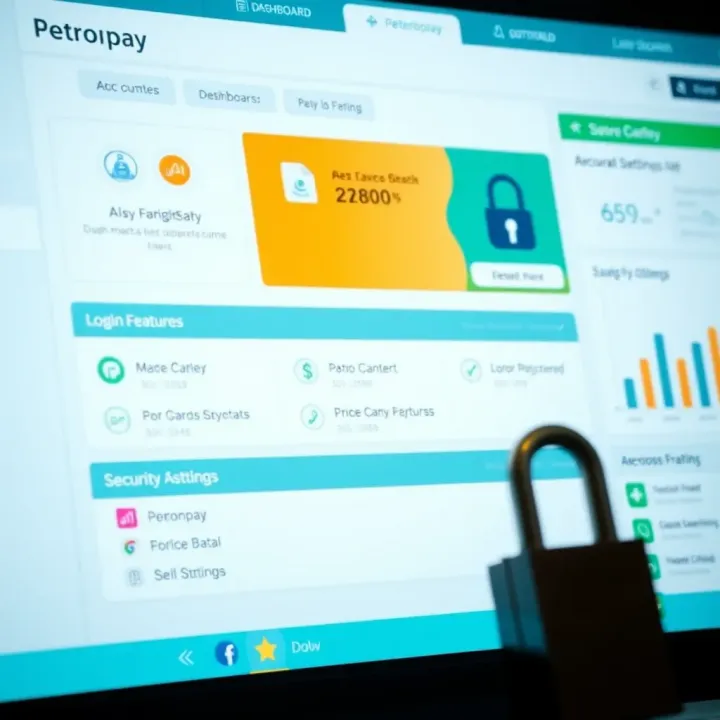
🔐 Learn how to access your Petronpay account securely with step-by-step login help, troubleshooting tips, and best practices for safe account use in South Africa.
Explore how the Quotex demo account lets you practice trading without risk. Learn setup, features, and tips to sharpen skills before real trading 📈💡
Discover how Telegram forex signals can enhance your trading in South Africa 🇿🇦. Learn to spot reliable sources, manage risks, and trade smarter 🔐💹.
Based on 9 reviews