
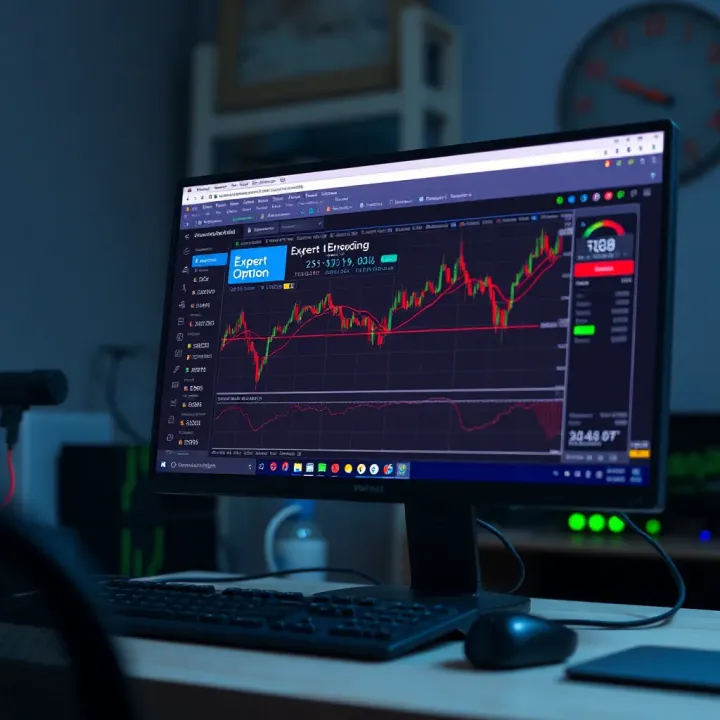
Expert Option Download for PC in South Africa
📈 Download Expert Option on your PC with ease! Get step-by-step instructions, troubleshoot common issues, and trade safely tailored for South African users. 🇿🇦💻
Edited By
James Whitaker
South African traders often face a maze when choosing online trading platforms, especially those offering binary options and CFDs (contracts for difference). One name that comes up quite a bit is Expert Option. But is Expert Option legitimate? This question isn’t simple, considering how important safety and reliability are when your hard-earned rand is at stake.
Expert Option is a digital trading platform that provides access to various assets—from forex and cryptocurrencies to stocks and commodities. Its appeal lies in an easy-to-use interface and the promise of quick returns through binary options trading. However, the devil is in the details, particularly concerning regulation and trustworthiness in South African markets.

The platform operates under a licence from the Vanuatu Financial Services Commission (VFSC), an offshore regulator. While this licence legitimises its operations globally, South African authorities such as the Financial Sector Conduct Authority (FSCA) do not regulate Expert Option. This distinction matters because FSCA oversight means stronger consumer protections and dispute resolution mechanisms for traders locally.
South African traders should be aware that trading with platforms outside FSCA regulation carries higher risks, including limited legal recourse should issues arise.
User reviews of Expert Option often reflect mixed experiences. Some praise its responsive interface and transparency in fees, while others highlight delays in withdrawals or difficulties with local payment methods. Unlike more established South African platforms or global brokers regulated by major authorities such as the FCA (UK) or ASIC (Australia), Expert Option’s offshore status means it’s operating in a grey zone for local regulation.
Key points to consider before trading with Expert Option in South Africa include:
Regulatory gaps: No FSCA licence means fewer local safeguards.
Risk level: Binary options are very speculative, often compared to gambling.
Payment methods: Some South African-friendly options may be limited.
Customer support: Less direct access compared to local brokers.
In summary, Expert Option is a functional platform but lacks the solid regulatory footing South African traders might expect. If you’re trading with it, it’s wise to start small, test the waters, and maintain a cautious approach.
This article will unpack these aspects further to help you decide if Expert Option fits your trading goals and risk appetite.
Grasping what Expert Option offers and how it functions is essential for South African traders keen on options trading. Knowing the platform’s trading choices, features, account setups, and local access helps you decide if it aligns with your trading style and risk appetite. It’s like checking a vehicle’s engine before driving; understanding these basics prevents costly surprises down the line.
Trading options available: Expert Option primarily focuses on binary options, where traders speculate whether an asset’s price will rise or fall over a short period. It offers options on a mix of assets, including currencies, stocks, indices, and commodities. For example, you might predict whether gold prices will rise within the next 5 minutes. This quick-turnaround trading appeals to those wanting immediate results but also brings heightened risk. Understanding these options lets traders pick assets and expiry times that fit their strategy.
Platform features and usability: The platform boasts a user-friendly interface suited for beginners and intermediates alike. It provides real-time price charts with technical analysis tools like moving averages, RSI, and Bollinger Bands, which enable traders to better time their positions. Mobile apps on Android and iOS mean you can trade anywhere — useful for South Africans who commute or prefer trading outside desk setups. Still, while clean and intuitive, it lacks some advanced features typical of more mature brokers, which might frustrate experienced traders.
Account types and minimum deposits: Expert Option offers several account tiers, each with increasing benefits. The minimum deposit typically starts at around $50 (roughly R950), making it accessible for many. Higher-tier accounts unlock features like better payout rates and priority support. However, unlike some South African-regulated platforms with low deposit requirements, this minimum might be steep for casual traders or newcomers experimenting with small amounts. Knowing the deposit threshold avoids unpleasant shocks when funding your account.
Access channels for South African users: South African traders can access Expert Option through its website or mobile apps without restrictions from local internet providers. However, the platform is not regulated by the Financial Sector Conduct Authority (FSCA). This means it operates in a legal grey area, accessible but without local oversight protections. Traders should assess this carefully before committing funds.
Payment methods supported locally: Expert Option supports a variety of deposit and withdrawal methods accessible to South Africans, including credit/debit cards (Visa, Mastercard), e-wallets like Skrill and Neteller, and cryptocurrencies such as Bitcoin. While convenient, withdrawal times and fees vary, and local banks may sometimes flag transactions linked to unregulated platforms. Understanding supported payment types lets traders plan their funding and withdrawals without delays or unexpected charges.
Knowing the nuts and bolts of Expert Option’s services equip South African traders to make savvy decisions, balancing opportunity against risk in a fast-moving environment.
The Financial Sector Conduct Authority (FSCA) plays a key role in South Africa’s financial ecosystem by regulating financial service providers to ensure fair treatment of clients. For traders, FSCA approval signals that a platform meets regulatory standards, including transparency, solvency, and ethical business practices. When a broker like Expert Option is FSCA-licensed, traders can rely on a framework that enforces accountability and consumer protection.
Beyond licensing, regulation through the FSCA means clients have access to dispute resolution mechanisms if things go sideways. Since trading carries inherent risks, having a regulator that monitors business conduct helps prevent fraudulent schemes and sharp practices. In practical terms, this translates to more trust and peace of mind when placing your hard-earned rand on the line.
Regulatory approval protects traders mainly by ensuring that brokers keep client funds separate from company assets. This segregation reduces the chance of losing money if the broker runs into financial trouble. Additionally, regulations typically demand that brokers operate with reasonable levels of capital to remain financially stable.
Protection also comes in the form of mandated disclosures. FSCA-registered brokers must clearly inform users about fees, risks, and trading conditions. This helps traders make informed decisions and avoid nasty surprises in their accounts. The presence of these rules helps establish a fairer playing field, particularly for novice South African traders who are less familiar with market intricacies.
Expert Option does not currently hold an FSCA licence or direct regulatory approval from South African authorities. Instead, it operates under licences from jurisdictions such as the Vanuatu Financial Services Commission. While these licences offer a basic regulatory framework, they do not provide the same level of protection or oversight expected from South African regulators like the FSCA.
This distinction is crucial because foreign licences may lack enforcement mechanisms applicable within South Africa. It leaves users more exposed should disputes arise or company actions harm their investments. Without South African regulation, there is less external assurance that Expert Option upholds local market standards or participates in compensation schemes.

Since Expert Option is not FSCA-authorised, South African traders do not benefit from local regulatory safeguards. This lack can affect everything from complaint resolution to investor protection. For example, if users encounter withdrawal issues or suspect misconduct, their recourse may be limited to engaging foreign regulators, which can be cumbersome and ineffective.
Traders should be wary that deals and promotional offers from unregulated brokers might not align with South African law or best practices. Careful consideration is advisable before depositing funds, as the platform’s regulatory gap may imply higher risks compared to registered brokers. South African traders often find safer options among locally regulated platforms where FSCA oversight ensures better transparency and legal protection.
Regulatory approval isn’t just a badge—it’s a practical guarantee that helps keep traders’ money safer and provides avenues for recourse if problems occur.
Trading on Expert Option brings both opportunities and pitfalls, so it’s sensible to weigh the risks and benefits carefully. This section breaks down what South African users can expect in terms of potential gains and the challenges commonly faced. Understanding these aspects helps you decide if this platform suits your trading style and risk appetite.
Options trading on Expert Option can offer attractive profits if you time the market well. Many South African traders appreciate that binary options allow for quick decisions based on price direction, often with returns of up to 90% on a successful trade. For example, if you risk R1,000 on a call or put option and the market moves in your favour within minutes, you could make back R1,900. However, this profit margin requires good timing and understanding of market signals, otherwise losses mount just as fast.
Expert Option focuses on short-term trades, which suits those looking to capitalise on daily market movements rather than long-term investments. With access to assets like forex pairs, commodities, and indices, you can diversify trades — but success depends on staying sharp and informed.
A big plus for Expert Option users is the platform’s accessibility across devices. Whether on a smartphone, tablet or desktop, South African traders can access live charts, indicators, and real-time data anywhere with an internet connection. This ease of use is vital given our often patchy internet reliability and frequent loadshedding. You don’t need complicated software, just a browser or the app.
The low minimum deposits (around R350) make it accessible for beginners without risking massive capital. Plus, the interface is user friendly, explaining key concepts without overwhelming the novice. This means you can test strategies and learn with smaller stakes before committing more funds.
Trading options involves high risk, especially on a platform like Expert Option, where markets can fluctuate sharply within minutes. Financial risk is real and losses can quickly erode your capital if you’re not careful. For instance, events like sudden exchange rate moves or unexpected economic data releases can reverse positions instantly.
Novices often underestimate this volatility, which leads to overtrading or chasing losses. As always, trading only what you can afford to lose and using stop-loss strategies may ease the financial blow.
Some South African users have reported delays or difficulties withdrawing funds from Expert Option. Although the platform generally processes withdrawals through payment methods like Skrill, Neteller, and bank transfers, wait times and verification hurdles can be frustrating. This disrupts traders who rely on timely access to their funds, especially when every rand counts.
Beyond delays, complaints about withdrawal fees or unexpected conditions crop up from time to time. This calls for careful scrutiny of terms before trading and setting realistic expectations about access to profits.
Responsive support matters, especially when money is involved. Expert Option offers live chat and email support, but some users complain about slow responses or lack of resolution for technical problems. This can leave traders feeling stranded during critical moments like platform glitches or withdrawal queries.
In contrast, local FSCA-regulated brokers tend to provide faster, more reliable customer service aligned with South African trading standards. So if quick support ranks high for you, this is a consideration.
Trading with Expert Option offers potential gains but comes with notable risks, especially regarding market swings and fund access. South African traders should balance convenience against these risks and remain cautious.
Assessing these factors thoroughly can help you trade with more confidence and avoid avoidable pitfalls.
Understanding user experiences and the industry's reputation is essential when evaluating any trading platform like Expert Option. These factors provide practical insights into how the platform performs in real trading conditions, beyond official promises or marketing. For South African traders, who may face unique challenges such as local payment methods and legal nuances, user feedback offers a grounded perspective on what to expect.
Many South African users appreciate Expert Option’s user-friendly interface and accessible mobile app, which make trading on the go quite straightforward. Some traders report decent returns on short-term options owing to the platform’s range of assets and quick execution times. The social trading feature, allowing users to observe others’ trades, is also highlighted as a helpful learning tool.
Practical benefits include the relatively low minimum deposit requirement, which suits new traders testing the waters without risking substantial funds. Additionally, the platform supports multiple South African payment methods, such as Visa and MasterCard, which streamline deposits and withdrawals — albeit with some caveats addressed later.
On the flip side, several South African traders have flagged issues with withdrawal delays and strict verification processes that slow access to funds. Some complain about limited or slow customer support, which can leave traders in a bind during urgent situations, especially given time zone differences.
Moreover, a recurring concern is that Expert Option does not hold FSCA regulation, which reduces the legal protection for South African users compared to local brokers. This lack of oversight reportedly leads to occasional misunderstandings or disputes around account freezes and fund retrieval, casting a shadow on trustworthiness for cautious traders.
When measured against FSCA-registered brokers, Expert Option lacks the regulatory backing that reassures many South Africans seeking secure trading environments. Local platforms typically offer clearer recourse in disputes, transparent fee structures, and compliance with South African financial laws. This legal security is vital in a market where financial scams can proliferate, so many opt for the safety net that registered brokers provide.
That said, regulated brokers sometimes have higher minimum deposits and fewer asset options, which might push some traders towards platforms like Expert Option for more variety or accessibility. Still, the trade-off involves accepting more risk with less regulatory protection.
Expert Option’s strength lies in its sleek platform, global asset diversity, and accessibility via mobile devices, making it appealing for traders wanting a quick and easy entry into options trading. Compared to global platforms, its simpler interface and targeted features for retail traders can be attractive.
However, these benefits are balanced by disadvantages such as regulatory uncertainty and a history of mixed user reviews concerning withdrawals and support. In contrast, established global brokers with FSCA licensing—like one of the major South African banks’ trading divisions—offer tighter controls and solid customer service but may lack Expert Option’s nimbleness or range of products.
For South African traders, weighing user experiences alongside industry reputation offers a critical lens for measuring both the opportunities and hidden pitfalls of Expert Option before committing real capital.
Trading with Expert Option in South Africa demands careful thought and research. This platform, while offering tempting opportunities, sits outside the direct regulation of the Financial Sector Conduct Authority (FSCA). That means South African traders must be especially diligent before depositing any funds or opening trades. A well-informed decision doesn't just rely on catchy marketing—understanding broker credentials, fees, and the legal framework can help shield you from unexpected losses or scams.
Before committing, check if Expert Option holds legitimate licences recognised in South Africa or internationally. Most South African traders prioritise FSCA-approved brokers because the regulator imposes rules ensuring fair treatment, transparent pricing, and operational standards. Since Expert Option isn’t licensed by FSCA, it’s wise to verify what licences they do have—often offshore jurisdictions like the VFSC (Vanuatu) or IFMRRC (Russian Federation). These may offer limited investor protection compared to South African standards.
Consider also the ease of verifying credentials through official regulatory websites or third-party watchdogs. If credentials feel fuzzy or unverifiable, that should raise a red flag. In practice, traders have found that platforms without South African regulatory oversight can sometimes delay withdrawals or offer limited recourse in disputes.
Fees can quietly eat into your profits if you don’t understand them fully. Expert Option often promotes zero-commission trading on options, but you may encounter spreads, withdrawal charges, inactivity fees, or limits on profit withdrawal depending on your account type. Before trading, ask precisely what fees apply in South Africa, especially with local payment methods like EFT or e-wallets.
Also, consider that currency conversion fees might apply if deposits or withdrawals involve Rand and foreign currencies. These costs can add up and are often overlooked by new traders who focus only on potential profits. An example: a R5,000 withdrawal could attract a few hundred rand in charges if fees aren’t clarified upfront.
South African law provides certain protections for financial consumers through entities like FSCA and the National Consumer Commission. These include dispute resolution mechanisms and minimum transparency requirements. Using a platform outside this regulatory net means you forfeit those safeguards.
This doesn’t necessarily mean all non-FSCA brokers are fraudulent, but it does mean you’ll face a higher risk level. Always check what legal recourse is available with Expert Option, including the platform’s own dispute processes and whether local courts have jurisdiction.
Knowing your rights under South African financial law can be the difference between recovering lost funds and having no options at all.
Platforms approved by the FSCA have passed minimum capital requirements and abide by strict conduct rules designed to protect South Africans. Examples include well-known brokers like IG, Plus500, and EasyEquities. They offer regulated environments with transparent pricing, compulsory client fund segregation, and prompt complaint handling.
Trading with FSCA-regulated brokers also typically means easier deposit and withdrawal procedures using local banks and payment methods. This is especially important considering prevailing issues around money laundering compliance, which FSCA-regulated firms are required to follow under FICA (Financial Intelligence Centre Act).
Many South African traders prefer instruments with local relevance and strong regulatory backing, such as equities listed on the Johannesburg Stock Exchange (JSE), exchange-traded funds (ETFs), and retail forex pairs like ZAR/USD or ZAR/EUR. These instruments often come with better liquidity and regulated margin rules.
Options trading, while expanding globally, is still relatively less common locally and tends to attract higher risk. You might want to consider more familiar instruments initially and consult with advisers or FSCA-registered financial planners to align with your risk profile.
In short, proper preparation, asking the right questions, and choosing regulated platforms can save you headaches and protect your hard-earned money much better than jumping in on a platform without guaranteed oversight.
📈 Download Expert Option on your PC with ease! Get step-by-step instructions, troubleshoot common issues, and trade safely tailored for South African users. 🇿🇦💻

🛑 Learn how to spot fake loan offers in South Africa! Check lender credentials, understand loan laws, and protect your finances from fraud in practical steps.

Explore top option trading platforms for South African investors📈. Compare fees, usability, tools, and regulation to find the best fit for your goals.
📈 Discover how IQ Option works with this practical guide for South African traders. Learn about registration, trade types, and risk management to trade smarter.
Based on 10 reviews