
Understanding Robot Trading in Forex Markets
🤖 Explore how robot trading automates forex deals using algorithms, plus tips on pros, risks, and regulation for South African traders.
Edited By
William Hughes
Margin level in forex trading is the ratio that shows how much of your available margin is being used relative to your equity. Simply put, it measures the health of your trading account and tells you how comfortably you can sustain your open positions without risking a margin call.
Understanding margin level matters because it directly affects your ability to open new trades and how close you are to a forced liquidation by your broker. For example, if you have R10,000 in equity and your used margin is R2,000, your margin level is 500% (Equity divided by Used Margin, multiplied by 100).
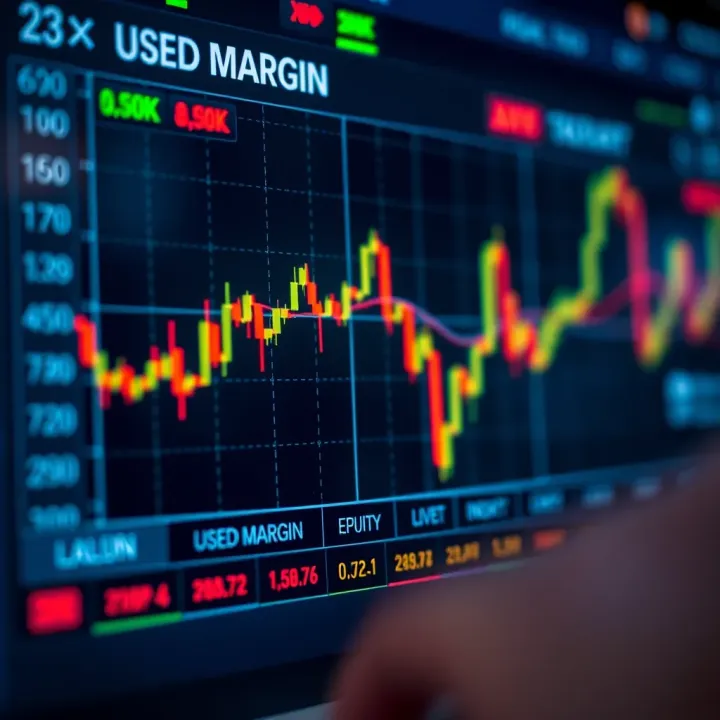
South African traders, especially those who operate with brokers offering leverage, need to keep a close eye on margin level due to volatile markets and load shedding impacts which can affect trading decisions and timings.
Margin level is typically expressed as a percentage:
Margin Level (%) = (Equity / Used Margin) × 100
- *Equity* is your account balance plus or minus any unrealised profits or losses from open positions.
- *Used Margin* is the amount of margin required to keep your existing trades open.

For instance, if the equity falls or used margin rises (say you open another position or the current trades go against you), your margin level decreases.

### Why Margin Level Matters

- **Prevents Margin Calls**: A low margin level means your account is under pressure. Brokers usually set a margin call level (often 100% or 50%), below which they notify you to either top up funds or close trades.
- **Risk Management**: Maintaining a comfortable margin level helps you manage risk and avoid sudden forced trade closures, which could realise losses at unfavourable prices.

> Maintaining a margin level above 100% allows you breathing room in volatile forex markets and helps prevent sudden disruptions due to margin calls.

For South African traders, this means regularly monitoring your margin level, especially when trading near news events or during Eskom load shedding times when market liquidity can be patchy.

### Practical Tips for Managing Margin Level

- Keep a buffer in your trading account beyond the minimum margin requirement to cushion against market swings.
- Avoid over-leveraging — smaller positions usually help in maintaining a safer margin level.
- Use stop-loss orders to contain unexpected losses that could rapidly reduce your equity.

By [understanding](/articles/understanding-pip-calculators-forex-trading/) and managing your margin level, you'll protect your capital better and trade with greater confidence in the South African forex environment.

## What Margin Level Means in Forex [Trading](/articles/robot-trading-forex-south-africa/)

Margin level offers traders a quick snapshot of their account’s health by showing how much available equity stands against the used margin. In the world of forex trading, understanding this ratio helps you spot dangers early, avoid sudden liquidation, and figure out just how much you can afford to trade before pushing your account to the brink. For [South African traders](/articles/understanding-swap-forex-trading-south-african-traders/), facing volatile markets and the reality of leverage, knowing your margin level can often be the difference between staying in the game or getting stopped out prematurely.

### Defining Margin and Margin Level

Margin is basically a deposit required to open and keep positions running in the forex market. Think of it as collateral: you don’t pay the full value of a trade upfront, but rather a fraction, depending on your leverage. Margin level, on the other hand, is a percentage that compares your equity (the current value of your account cash plus or minus any open positions’ profit or loss) against this used margin. When margin level drops too low, it signals trouble. If your margin level falls below certain broker-set thresholds, you risk a margin call or a stop out.

### How Margin Level Is Calculated

Margin level is calculated with this simple equation:


Margin Level (%) = (Equity / Used Margin) x 100
For example, if your trading account shows an equity of R12,000 and you’re using R3,000 as margin on open trades, your margin level is (12,000 ÷ 3,000) × 100 = 400%. This means you have a cushion; your equity is four times the margin you’re using. But if market moves cause your equity to shrink closer to the margin amount, that ratio falls, bringing increased risk.
Margin: The funds set aside to keep current trades open. For instance, opening a R100,000 position with 30:1 leverage needs roughly R3,333 margin.
Free Margin: Equity minus used margin. This is the balance you can still commit to new trades. If your account equity is R12,000 and margin used is R3,000, your free margin is R9,000.
Margin Level: The percentage ratio of equity to used margin, measuring the buffer protecting your trades.
Keeping an eye on these values helps you trade with confidence, preventing nasty surprises when the rand-dollar pair swings wildly or during sudden spikes in volatility.
Understanding these key terms clears the fog around margin management, letting you plan trades with better control over risk and capital. Knowing when your margin level is slipping enables you to make adjustments—like closing positions or adding funds—before your broker forces the issue with a margin call. This knowledge is critical for maintaining a healthy trading account, especially under the sometimes choppy conditions experienced in the South African forex markets.
Margin level acts as a financial barometer, showing the health of your trading account relative to your open positions. Keeping a good eye on this figure helps you avoid nasty surprises like margin calls or automatic trade closures. In forex trading, particularly in the fast-moving South African market, knowing your margin level can protect your capital and give you confidence to trade smarter.
A margin call happens when your margin level dips too low—typically below a broker’s specific threshold—and you're required to add more funds or close positions. If you don’t respond, the broker may close trades to stop losses from spiralling. Imagine you've got R10,000 in your account with open trades using R8,000 margin. If the market moves against you and your equity drops to R7,000, your margin level shrinks to 87.5% (equity divided by used margin). If your broker’s margin call level is 100%, you are in danger zone. So, monitoring margin level lets you act before Eskom’s loadshedding-style shutdown of your positions kicks in.
Margin level also influences how much you can trade. Basically, the higher your margin level, the more free margin (available funds) you have to open further positions. For example, if you start with R20,000 equity and only R2,000 margin used, your margin level is 1,000%. This comfortably allows for more trades. But as losses pile up and margin used creeps towards equity, your margin level drops and your trading capacity shrinks. Traders juggling several open positions should balance position sizes prudently to maintain a healthy margin level and avoid getting squeezed out).
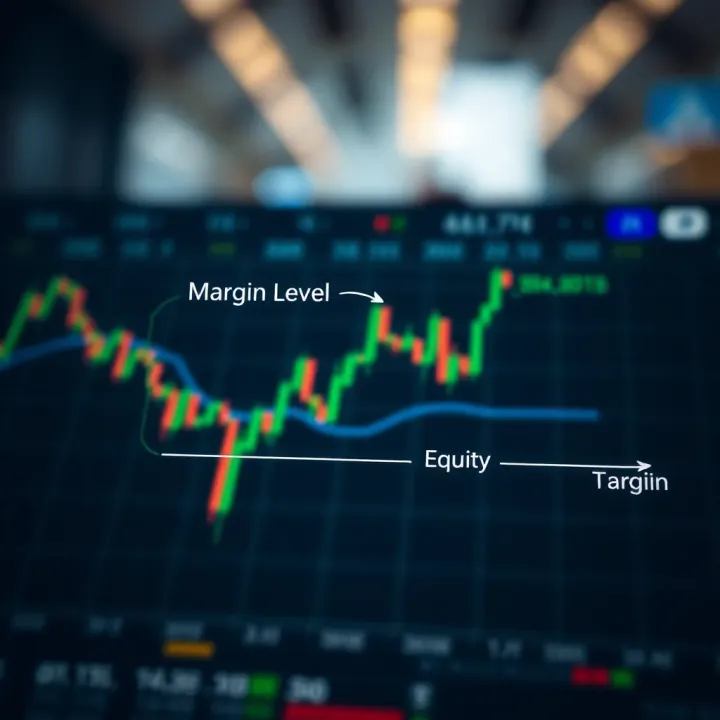
Understanding margin level plays directly into smart risk management. Setting a minimum margin level threshold helps you control risk exposure and prevent cascading losses. For instance, by deciding you won’t let your margin level fall below 200%, you force yourself to either add capital or reduce risk before getting into trouble. This buffer is particularly significant during volatile market conditions or when trading on leverage common in South Africa’s forex market. Using stops and managing position sizing keyed to margin level give you practical tools to guard your account over the medium term.
Keeping a close watch on your margin level is like checking your car’s fuel gauge—it tells you if you can keep driving or need to stop before you run out of fuel.
In essence, margin level is more than a number—it’s your frontline defence in forex. It shapes your ability to trade, how much risk you take, and how resilient your account is during unexpected market moves. Traders who ignore margin level are gambling, but those who respect it build steadier paths to success.
Keeping a close eye on your margin level is key to staying afloat in forex trading, especially in markets as dynamic as South Africa's. Monitoring helps you avoid nasty surprises like margin calls, where the broker demands more funds to keep your positions open, or worse, being stopped out automatically. To manage your margin well, you need reliable tools, quick decision-making, and a good sense of your risk appetite.
Most trading platforms used locally, from MetaTrader 4 and 5 to more proprietary options by brokers like IG or HotForex, provide real-time data on your margin level. You should regularly check the dashboard where it shows your used margin, free margin, and equity. For instance, if your margin level drops below 100%, the platform usually flags it as critical. This is your cue to act. Familiarise yourself with these platform features so you can react quickly and avoid avoidable losses.
When your margin level dips, one practical step is to reduce your open positions or close those making losses. Imagine you’ve got R50,000 equity but your open trades tie up R40,000 margin; trimming down positions can free up margin and prevent margin calls. Alternatively, you might want to reduce your leverage before opening new trades to keep margin utilisation safer. This doesn't just protect your account balance—it also lets you trade with less stress, knowing your margin isn't on a knife-edge.
Most platforms and brokers offer customisable alerts for margin levels. Setting these helps you get a heads-up before your margin level becomes dangerously low. For example, you can set an alert at 150% margin level to prompt you to review your trades. You could also use stop-loss orders effectively to cap potential losses and keep your margin healthy. These are especially useful when trading volatile forex pairs affected by global economic news or local factors, like currency shifts related to the South African Reserve Bank (SARB) interest rate announcements.
Staying on top of your margin level isn’t just about avoiding losses; it’s about confidently managing your trades with a clear sense of risk, especially given the often-changing conditions of the South African forex market.
By using your trading platform actively, tweaking your trade sizes, and setting proper alerts, you’ll keep your margin in check and your trading account safe from unnecessary risks.
Managing your margin level carefully helps avoid unpleasant surprises in forex trading. When the margin level drops too low, it signals trouble that can quickly spiral into margin calls or stop outs. Understanding what triggers these events, how volatility plays into them, and how to mitigate the risks will keep your trading account healthier.
A margin call happens when your account's margin level falls below your broker’s minimum threshold, often set at 100% or slightly higher. This means your equity—the total value of your funds including unrealised profits and losses—is too low to cover the margin required for your open trades. For example, if you’ve heavily leveraged a position on the USD/ZAR but it starts moving against you, your equity shrinks while your used margin stays the same, pushing your margin level down.
If the margin level hits the stop out level, the broker will start closing your positions automatically to prevent your account from going negative. This situation often happens during sudden market moves or unexpected news events, such as Reserve Bank interest rate decisions or geopolitical shifts affecting the Rand.
Common causes leading to margin calls include:
Holding multiple large positions with insufficient equity
Ignoring open losses and not adjusting stop losses
Using excessive leverage beyond your risk appetite
It is worth noting that margin calls and stop outs are protective mechanisms that prevent traders from owing money to brokers. They highlight that your account needs attention to avoid wiping out your capital.
Volatility is the wild card in forex trading. High volatility means rapid price swings, which can erode your margin level fast if you’re unprepared. The South African Rand, for instance, is known for bouts of volatility due to local political developments or swings in commodity prices.
When the market jumps quickly, your unrealised losses can balloon, dragging down equity and the margin level almost overnight. Even a well-planned trade can risk a margin call if the market moves sharply against you before you have a chance to react.
Volatility's impact includes:
Sudden margin level drops forcing immediate risk mitigation
Increased likelihood of slippage when stop losses trigger
Reduced room for error on leveraged positions
Traders should monitor economic calendars for events likely to ignite volatility. Another practical tip is to reduce leverage and position sizes before expected spikes, giving your margin level more breathing space.
**Keep your eye on margin level as your early warning system. Low margin level means limited wiggle room before forced trade closure.
To sum up, a low margin level is more than just a number. It reflects your account’s vulnerability and your exposure to risks intensified by volatility. Trading with a clear understanding of these risks, proper leverage, and a solid risk management plan can prevent costly margin calls and keep your forex journey on track.
Maintaining a safe margin level is fundamental for South African forex traders who want to protect their capital and stay in the game longer. Given the volatile nature of currency markets and the impact of global events—as well as local factors like rand fluctuations and economic data releases—keeping your margin level healthy avoids nasty surprises like margin calls and stop outs. Here are practical tips tailored to this context.
Leverage amplifies both gains and losses. While it can seem tempting to use high leverage to maximise profits, this can quickly erode your margin level when the market turns against you. South Africa’s financial regulators recommend cautious leverage use, especially for retail traders. For instance, instead of jumping in at 1:200 or 1:500 leverage, consider starting with a lower ratio like 1:20 or 1:50. This lowers the required margin for each position and reduces the risk of margin calls during rand volatility or unexpected global shocks.
When choosing leverage, factor in your risk tolerance and the currency pairs you trade. For example, rand crosses like USD/ZAR may carry higher spreads and spikes—so lower leverage helps cushion sudden moves.
Effective capital allocation means not overcommitting your available funds. Allocate a certain portion of your trading account for open positions and keep some margin free as a buffer. This free margin prevents margin level from plummeting, especially during market swings caused by South African economic or political announcements.
Managing open positions also means regularly reviewing your trades. If a position turns against you, rather close it early rather than holding in hope. Some traders use the "rule of thirds": only allocate a third of their capital in open positions, keeping two-thirds free for flexibility and emergencies.
An example: A trader with R50,000 capital might open positions using only R15,000 of margin, leaving R35,000 as buffer. This approach supports steadier margin level and trading longevity.
Stop loss orders are a trader’s frontline defence. Setting stop losses helps you cap potential losses and protect your margin. Choose sensible stop loss levels based on technical analysis or volatility, not just arbitrary numbers. For instance, if you trade EUR/ZAR, monitor volatility to avoid stop outs caused by normal price fluctuations around economic news.
Position sizing complements stop losses by determining how large a trade should be based on your risk appetite and margin availability. Smaller positions mean less margin used per trade and a safer margin level. Instead of risking 5% of your account on one trade, try limiting it to 1% or 2%. This keeps you in the game longer and protects you from sudden market shocks.
By carefully selecting leverage, managing capital wisely, and using risk controls like stop losses and appropriate position sizing, South African forex traders can maintain a safe margin level. This means fewer margin calls, more peace of mind, and better chances to benefit when opportunity knocks.
🤖 Explore how robot trading automates forex deals using algorithms, plus tips on pros, risks, and regulation for South African traders.
Learn how pip calculators work in Forex trading 🇿🇦. Understand pip values, manage risk, and boost your trading strategy with practical tips for South African investors 📊💰.
Calculate forex profits and losses with a pips calculator 📉📈. Learn how South African traders use this tool to manage risk and trade smarter forex markets.
🤖 Explore how forex trading robots work, their benefits and risks, plus tips on picking reliable tools for safer, smarter trading in South Africa's forex scene.
Based on 5 reviews