
Signal Trading: A Practical Guide for Traders
📈 Learn how signal trading works, types of signals, tools, risks & benefits. A clear, practical guide for South African traders to boost their strategy.
Edited By
Emily Clarke
The volatility index measures how much market prices are expected to fluctuate over a certain period. Unlike shares or commodities that reflect tangible assets, the volatility index gauges market uncertainty and investor sentiment, making it unique among financial instruments.
In South Africa, traders usually focus on equity indices like the FTSE/JSE Top 40, but the volatility index adds an extra layer by showing how nervous or confident the market feels. It typically rises when markets drop sharply, as fear drives swings in price expectations. Understanding this link is vital if you want to trade the volatility index effectively.
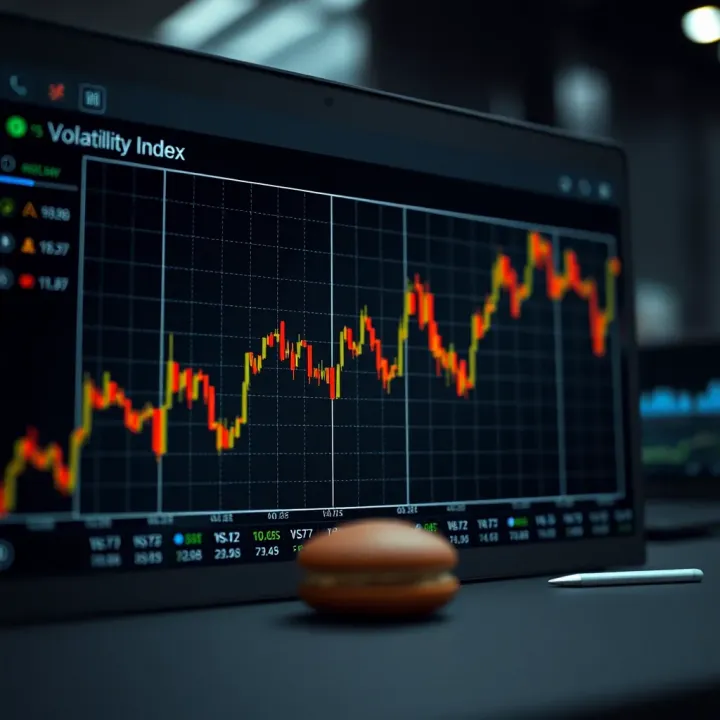
Trading the volatility index differs from conventional asset trading because you’re not dealing with ownership or dividends. Instead, you speculate on future market turbulence. This often means shorter holding periods and a stronger focus on timing rather than long-term fundamentals.
Successful volatility trading depends on grasping the factors that drive fear and uncertainty, such as economic announcements, geopolitical events, or sudden changes in market liquidity.
South African traders face unique challenges like exchange rate fluctuations, local economic news, and Eskom’s loadshedding impacting market confidence. These factors can quickly turn volatility spikes into trading opportunities or risks.
Key points to keep in mind:
Volatility typically spikes in times of crisis, but not all spikes mean a market crash.
Trading instruments include futures, options, and exchange-traded products referencing the volatility index.
Risk management is essential since volatility trades can swing wildly and fast.
By focusing on these concrete elements, you’ll better understand how the volatility index fits into a broader trading strategy and how to shape your approach around real market conditions, especially in the South African context.
Trading the volatility index starts with understanding what it measures and why it matters. In practical terms, the volatility index, often called the "fear gauge", estimates how much the market expects asset prices to swing over a given period. This expectation is derived from the prices of options on major stock indices. For traders, this means the volatility index reflects market uncertainty more directly than traditional asset prices.
Knowing the volatility index's role helps you anticipate sudden market moves and adjust your strategies accordingly. For instance, during political unrest or economic shocks in South Africa, a spike in the volatility index hints at increased nervousness among investors. This can guide you to hedge positions or spot chances for short-term profits.
Volatility gauges how wildly prices of assets like stocks or indices move up and down. Instead of the price itself, it’s the expected range of fluctuations that the volatility index tracks. When investors foresee rough seas ahead, option prices rise and push the volatility index higher. This metric offers a snapshot of collective anxiety or calm in the market.
For example, if the JSE All Share Index shows steady growth but the volatility index climbs, it suggests the market is bracing for possible instability despite current gains. This insight helps traders avoid getting caught out during sudden drops or unexpected swings.
The best-known volatility index is the VIX, tied to the US S&P 500 index, often used as a global benchmark. South African traders pay attention to the VIX as a gauge for international risk sentiment. There are also local variants, albeit less liquid, like the South African Volatility Index based on the FTSE/JSE Top 40.
Besides these, volatility indices exist for other asset classes, including commodities and currencies, but stock-index volatility remains the focus for most traders. Choosing the right volatility index depends on your market exposure and trading goals.
Unlike stocks and forex pairs, which reflect company performance or economic fundamentals, the volatility index moves mainly on sentiment and expectations. It tends to spike during market sell-offs and drop when confidence returns. This opposite relationship makes it a valuable hedge or a speculative tool.
For example, when the rand weakens sharply against the US dollar due to local political news, the corresponding increase in volatility can signal broader risk aversion. Traders monitoring volatility can adjust forex positions or seek opportunities in volatility-related products.
Volatility itself isn’t an owned asset like shares or currency; it’s a derived figure reflecting potential price movement. This means you can’t buy volatility directly but trade instruments like futures, options, or contracts for difference (CFDs) linked to the volatility index.
Understanding this distinction is key because volatility trading requires different tactics. For example, a stock investor profits from dividends and price appreciation, whereas a volatility trader benefits from fluctuating fear levels and timing price swings.
Trading volatility demands awareness of its unique nature: it corresponds inversely with market trends and requires a distinct outlook compared to traditional asset trading.
With this foundation, you can explore effective strategies and risk management practices tailored to volatility trading in South Africa’s diverse market environment.
Understanding what drives movements in the volatility index (VIX) is essential for anyone looking to trade it effectively. This index reacts to a mix of market-wide forces and specific local factors that influence investor behaviour. Knowing these key factors can help traders anticipate swings and adjust their positions accordingly.
Geopolitical tensions and economic data releases frequently push volatility up or down. For example, a sudden spike in tensions, such as trade disputes between major economies or unexpected developments in the Middle East, often causes markets to jitter and volatility indices to surge. Traders keeping tabs on events like US Federal Reserve interest rate announcements or European Central Bank policy changes will see volatility react strongly, reflecting global uncertainty.
In the South African context, economic releases such as GDP growth figures, inflation data from Stats SA, or the Reserve Bank's repo rate decisions often ripple through markets and influence volatility locally. An example is when SARB hints at tightening monetary policy due to rising inflation; markets might become nervous, triggering wider price swings. Similarly, unexpected political developments or credit rating reviews impact sentiment and market moves, all feeding into volatility levels.
Volatility famously rises during periods of investor fear and uncertainty. When confidence falters—say, due to disappointing corporate earnings or weak commodity prices—traders might rush to hedge or sell risky assets, driving prices sharply down and pushing volatility upward. This dynamic means volatility indexes often serve as a barometer for fear.
Liquidity and trading volumes also affect how volatility behaves. Thin market conditions, like during holidays or off-peak trading hours, can exaggerate price swings simply because fewer participants are around to absorb trades. In the South African market, some instruments or sessions may see lower volumes, heightening volatility unpredictability. Recognising when liquidity droplets increase risk is crucial to managing trading positions prudently.
Effective volatility trading hinges on keeping an eye not just on price moves but on the wider economic backdrop and market mood. South African traders benefit from staying alert to local economic indicators and global news, alongside watching liquidity conditions.
Key economic releases and geopolitical news often trigger sharp volatility moves.
Investor fear tends to push volatility higher, while strong confidence usually lowers it.
Low liquidity periods can lead to outsized swings and trading risks.
Having a clear grasp of these factors enables traders to better time their entry and exit points, reducing surprises in a notoriously jittery market.
Trading the volatility index requires a firm grasp of practical strategies tailored to its unique behaviour. Unlike traditional assets such as shares or commodities, volatility indices reflect market sentiment and uncertainty rather than ownership of physical goods or companies. This means a trading approach focused on timing, risk management, and instrument choice is essential. South African traders, in particular, should consider factors like broker accessibility, cost structures, and the impact of local economic news on volatility.
When trading the volatility index, Contracts for Difference (CFDs), Exchange-Traded Funds (ETFs), and options are the main instruments available, each with its own strengths and drawbacks. CFDs offer direct exposure to price movement without owning the underlying asset, making them accessible and flexible. However, CFD trading typically involves leverage, which increases both potential gains and losses — risk management is critical here.
ETFs provide a regulated, lower-risk option by tracking the volatility index indirectly through a fund. They’re ideal for investors wanting exposure without daily active management, but their prices may lag actual volatility movements, limiting responsiveness.
Options, on the other hand, give the right, but not the obligation, to buy or sell the volatility index at a set price, allowing for sophisticated strategies like hedging and speculation on future volatility changes. Options require a solid understanding of expiry dates, strike prices, and implied volatility, or you might find yourself in a difficult spot.
In South Africa, broker selection goes hand in hand with instrument choice. Platforms offering CFDs and options on volatility indices are available but vary widely in fees and regulatory compliance. South African traders should prioritise brokers registered with the Financial Sector Conduct Authority (FSCA) to ensure legal protection and fair dealing. Also, look for platforms that support efficient fund transfers using local methods like EFT or Instant Money, and those with reasonable spreads and commissions to keep costs manageable.
Deciding between short-term and longer-term trading largely depends on your individual risk appetite and market knowledge. Short-term trading capitalises on rapid swings in the volatility index, often leveraging technical indicators and tight stop-loss limits to capture quick profits while limiting exposure. This suits traders who can monitor the market closely during active trading hours.
Longer-term positions take a different stance, betting on broader trends in market sentiment or economic cycles that influence volatility over weeks or months. For example, traders anticipating increased volatility during a major economic release like a SARB interest rate announcement might enter positions weeks ahead to ride the expected uptrend.
Technical analysis plays a big role in identifying entry and exit points for both approaches. Using indicators specifically designed for volatility, such as Bollinger Bands or the Average True Range (ATR), traders can gauge shifts in momentum or spikes in market uncertainty. Chart patterns that signal exhaustion or reversals may prompt timely exits before sudden downturns. For example, a sharp contraction in Bollinger Bands often heralds an upcoming volatility surge, alerting traders to prepare accordingly.
Understanding when and how to act on these signals can make the difference between capturing gains and suffering losses when trading something as unpredictable as the volatility index.
Mastering these strategies takes practice and discipline, but by selecting suitable instruments and trading methods, South African traders can navigate volatility markets more confidently and potentially profit from their unique characteristics.
Managing risk is vital when trading the volatility index. This market moves fast and can swing wildly due to its nature as a reflection of market uncertainty. Without solid risk controls, traders can find losses building up quicker than expected. Understanding specific risks and how to control them helps you protect capital and improve long-term chances of success.
Volatility index prices can change dramatically within minutes or hours. These price swings are often larger and more rapid than in traditional stocks or forex markets. For example, a sudden political event or economic announcement can spike market uncertainty, causing the volatility index to jump sharply. If you use leverage—a common feature in contracts for difference (CFDs) or options trading—your exposure magnifies both gains and losses. This means a small price move can wipe out a significant portion of your trading account if you're not careful.
One of the easiest ways traders get into trouble is by overexposing themselves to the volatility index. Overexposure occurs when the total amount risked in the market exceeds what an individual can realistically withstand. Imagine a local trader risking 50% of their available funds on a single trade because they're convinced the market will calm down. If the market instead spikes higher, they could face large losses or margin calls. Keeping your exposure in check by spreading risk and limiting the size of each position helps prevent sudden blows from derailing your trading.
Stop-loss orders allow you to automatically close a position when it moves against you, limiting potential losses. Setting stop losses on volatility index trades is essential to avoid unexpected dips eating into your capital. Coupled with sensible position sizing—deciding how large your trade is based on your total capital and risk tolerance—stop losses help you manage downside risks. For instance, many South African traders limit risk on each trade to no more than 1-2% of their account balance, preserving their ability to trade even after a string of losses.
A trading plan spells out your rules for entry, exit, risk tolerance, and trade management – acting as a roadmap in what can be a choppy market. Discipline in following your plan helps curb emotional decisions like chasing losses or moving stop losses unnecessarily. Without it, volatility trading can become guesswork or gambling. Crafting a sound plan, sticking to it, and reviewing performance regularly are practical steps to build resilience. Practically, this means setting clear daily loss limits and profit targets, and avoiding impulsive trades driven by fear or greed.
Managing risk properly is not about avoiding losses altogether but controlling how much is lost so you can stay in the market longer and trade smarter.
By recognising the unique risks of the volatility index and applying concrete controls like stop losses, position sizing, and a trading plan, you put yourself in a stronger position to handle market twists and turns. This isn’t just smart trading—it’s essential for survival in the volatility game.
Having the right tools and resources is non-negotiable when trading the volatility index. These help you interpret market movements accurately and act decisively. Without reliable charting software and timely newsfeeds, you'd be flying blind in a market that moves fast and often unpredictably.
South African traders often gravitate towards platforms like MetaTrader 5, TradingView, and Thinkorswim for their volatility index trading. These platforms offer a mix of user-friendly interfaces and powerful analysis features suited to local market conditions. For instance, TradingView's cloud-based charts make it easy to switch devices without losing your setups—ideal for traders on the go in Johannesburg or Cape Town.
These platforms also integrate real-time data from global exchanges, which is key when trading volatility indices heavily influenced by international events. Local brokers such as Standard Bank Online Trader and EasyEquities sometimes provide access to these or similar platforms, ensuring traders have a practical means to engage with volatility markets effectively.
When it comes to indicators, traders typically lean on tools like the Average True Range (ATR) for measuring price volatility and Bollinger Bands to identify periods of high or low volatility. The Relative Strength Index (RSI) works well alongside these to indicate overbought or oversold conditions that often precede volatility swings. Using these together helps in spotting entry and exit points more reliably.
Access to real-time economic data plays a big role in volatility trading. South African traders often track updates from news sources like Bloomberg, Reuters, and local outlets such as Fin24 and Business Day. These platforms deliver quick summaries of key economic releases, political developments, and unexpected events that can jolt volatility indices.
Smart traders integrate newsfeeds directly into their trading platforms for a seamless workflow. For example, MetaTrader 5 allows embedding economic calendars and news widgets alongside charts. This integration cuts down reaction time, ensuring you don't miss crucial market moves influenced by announcements like SARB interest rate changes or inflation data.
Keep in mind, staying informed and using reliable analytical tools goes hand in hand. The volatility index reacts immediately to news, so your setup must be tuned to receive and process updates as they happen.
In summary, employing robust charting software equipped with volatility-focused indicators and integrating real-time newsfeeds tailored to South African and global markets will position you better to trade volatility indexes with confidence and precision.
📈 Learn how signal trading works, types of signals, tools, risks & benefits. A clear, practical guide for South African traders to boost their strategy.
Explore synthetics trading in South Africa 🇿🇦 – learn how synthetic assets work, benefits, risks, platforms, regulation, and practical tips for traders.

🔍 Explore P2P trading in South Africa: learn how to trade safely, discover trusted platforms & understand local regulations to make informed decisions.

🤖 Explore robot trading in South Africa: learn how automated trading works, its pros and cons, key strategies, risks, and regulatory tips for investors.
Based on 12 reviews