
Understanding Synthetics Trading in South Africa
Explore synthetics trading in South Africa 🇿🇦 – learn how synthetic assets work, benefits, risks, platforms, regulation, and practical tips for traders.
Edited By
Isabella Turner
Binary bots have become a talking point among traders on South African trading floors and online platforms. These are automated programs designed to trade on binary options platforms without much human input. Simply put, they watch market movements and place bets on price movements within short time frames—often seconds or minutes.
The core idea is straightforward: automate the boring bits of trading so you don’t have to sit glued to your screen all day. But while this sounds enticing, especially for those juggling jobs or other commitments, it’s worth digging beneath the surface before committing your hard-earned Rand.
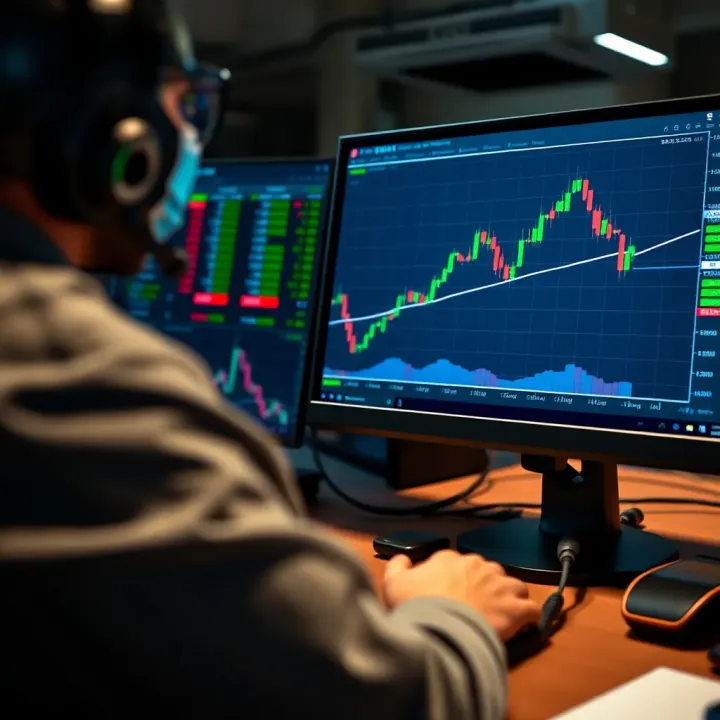
Binary bots operate using algorithms that follow a set of rules or strategies predetermined by their developers or users. For instance, a bot could be programmed to buy a call option when certain technical indicators like the RSI (Relative Strength Index) drop below 30, signalling an oversold market. It then automatically makes this trade without waiting for manual approval.
Keep in mind: Although these bots handle trades instantly, they are only as good as their underlying strategy and data feeds. Poor programming or delayed data can cause losses just as fast as gains.
Using binary bots offers clear advantages:
Speed: They act swiftly on market signals, eliminating reaction delays that often affect human traders.
Consistency: Bots stick to their rules, preventing emotional decisions that can derail trading plans.
Accessibility: Beginners can leverage bots to execute complex strategies they might not fully grasp otherwise.
However, the risks are real:
Over-optimisation: Bots tuned perfectly on historical data might fail under real market conditions.
Technical hiccups: Server outages or bugs can cause unwanted trades or missed opportunities.
Regulatory grey areas: South African authorities have not fully regulated automated binary options trading, so legal protection is limited.
As a South African trader, you should also consider local conditions such as internet reliability and data costs, which can affect bot efficiency. Moreover, the world of binary bots includes a spectrum—from simple free scripts shared in forums to sophisticated paid platforms promising high returns. Always assess the credibility and track record before trusting your money.
In summary, binary bots can be a useful tool in your trading arsenal, but they demand cautious evaluation and realistic expectations. Next, we’ll explore the technology behind these bots and how they integrate with binary options platforms to work their magic.
Understanding what binary bots are and how they function is fundamental before anyone jumps into automated binary options trading. These bots are software programmes designed to make trading decisions and place trades on behalf of the user without needing manual input every time. This kind of automation appeals to traders who want to save time or who may not have the expertise to constantly monitor volatile markets.
Binary options trading involves predicting whether the price of an asset – such as a stock, commodity, currency pair, or index – will rise or fall within a set time frame. Unlike traditional trading, the payoff is fixed and binary: either a trader earns a fixed return if the prediction is correct or loses the invested sum if not. For example, a South African trader might predict the rand/dollar exchange rate to be above a certain level in 30 minutes. This simplicity makes early automation attractive.
Automation through binary bots removes the need for manual oversight on every trade, which can be beneficial in fast-moving markets. Instead of watching charts and timing trades personally, the bot uses preset rules to decide when to buy or sell. This can save time, reduce fatigue-induced errors, and ensure that trading strategies are consistently applied. For instance, a trader asleep or at work can still have the bot act on specific triggers.
Binary bots connect to a trading platform to execute trades based on programmed decision-making. Once the bot receives trade signals, it quickly interacts with the platform’s interface—usually via APIs or automated commands—and places the trade instantly. This speed and precision can allow traders to better react to short-term market movements and take advantage of trading opportunities that might otherwise be missed.
The bot’s decisions rely on trade signals, which are inputs that indicate when to enter or exit a trade. These signals come from various sources, often technical indicators like moving averages or RSI levels, or even external data feeds. A well-programmed bot processes these signals in real time to identify potentially profitable trades.
At the heart of the bot lies its algorithm—a set of rules that interpret the signals and decide whether to place a trade. This may include logic based on price thresholds, timing controls, or risk management parameters. For example, a bot might be programmed to only trade assets during specific market hours or to avoid trades after three consecutive losses.
The bot connects to binary options platforms through execution interfaces, typically APIs (Application Programming Interfaces), allowing it to place trades without needing user intervention. The reliability of this interface is crucial, as delays or disconnections can lead to missed opportunities or unwanted trades. Platforms popular in South Africa often offer such APIs, but not all bots can integrate seamlessly.
Automation in binary options trading can offer quicker execution and constant market participation, but understanding how bots work and their components is key to using them safely and effectively.
Binary bots, while increasingly popular, come with a mix of benefits and drawbacks that South African traders should weigh carefully. Understanding these factors helps you make a clearer decision about whether to include bots in your trading toolkit.

Binary bots can process and enter trades much faster than any human can. This speed is crucial in markets where prices can shift within seconds — a bot reacting instantly to market signals can capitalise on opportunities before they disappear. For instance, if a currency pair suddenly dips due to breaking news, a binary bot can execute a trade in milliseconds, which may be impossible manually.
One of the biggest hurdles in trading is emotional decision-making. Fear and greed often lead traders to deviate from their strategies. Binary bots remove this factor entirely; they operate purely on algorithms without being swayed by market hype, panic, or impatience. This can lead to more consistent trading practices over time, especially for those who tend to second-guess themselves.
Unlike human traders who need rest, binary bots can run continuously around the clock. This means you can participate in global markets like the New York or Tokyo exchanges even when you're asleep or busy with daily life. It allows trading across time zones without gaps, maximising chances to catch favourable market moves.
Bots depend heavily on reliable software and internet connections. Unexpected crashes or a poor internet link can cause missed trades or repeated errors. For example, a bot stuck in a loop might execute unwanted trades, leading to losses. Technical issues also mean bots require ongoing monitoring and contingency planning.
While algorithms can follow historic patterns and signals, markets often behave erratically due to unforeseen events, political unrest, or sudden economic changes — none of which bots can predict. For instance, during a surprise interest rate cut by the South African Reserve Bank, markets may react unpredictably, leaving a bot locked into a losing trade because it can’t adjust its assumptions on the fly.
Binary options trading itself carries significant risk, and automated bots don’t change that. In fact, some flashy bot sellers promise guaranteed profits but are scams looking for quick cash. Always be wary of bots claiming high returns with no risk, and verify credentials and track records before committing money.
Remember, using a binary bot doesn't guarantee profits and should never replace understanding the market fundamentals.
Balancing these pros and cons can help you engage with binary bots more realistically and cautiously, particularly in the South African market environment. Keeping control and staying informed are your best safeguards.
Binary bots rely heavily on technology to automate the trading process, making split-second decisions with minimal human input. Understanding the technical side helps traders appreciate both the strengths and risks of using such bots. In essence, these bots use algorithms to analyse market data, generate trade signals, and execute trades on platforms automatically. The quality of these technological components directly affects trading outcomes, especially in fast-moving markets.
Trading algorithms in binary bots come mainly in two types: rule-based and machine learning models. Rule-based algorithms follow prescribed instructions, like triggering a trade when a certain indicator crosses a threshold. They’re straightforward and easy to understand, making them common in many basic binary bots. For example, a simple bot might execute a call option if the 50-day moving average exceeds the 100-day moving average.
Machine learning algorithms, on the other hand, adapt over time by analysing past trade results and market patterns without being explicitly programmed for each scenario. This can allow bots to spot complex trends or anomalies that rule-based systems might miss. However, machine learning models need substantial data and computing power, which may not always be practical for individual traders.
Indicators and real-time market data are the lifeblood of these algorithms. Common tools include moving averages, RSI (Relative Strength Index), and Bollinger Bands. By monitoring these indicators, bots estimate market direction or volatility to decide whether to open or close positions. For instance, a binary bot might watch the RSI to detect if an asset is overbought—signalling a potential downturn—and then place a put option.
Customising strategies to fit different markets is another crucial factor. Binary bots designed for forex might use different indicators or timeframes compared to those trading commodities or indices. South African traders must consider local market peculiarities too—for example, exchange rate volatility can be higher, and trading hours may differ from global markets. Custom settings ensure the bot’s decisions align with the specific dynamics of each asset.
API (Application Programming Interface) connections enable bots to communicate directly with trading platforms. Through APIs, bots send trade orders and receive data instantly, reducing delays that could affect trade execution. Reliable API integration is essential for smooth operation; a bot without proper API access might lag or face errors.
There are mainly two ways bots run: web-based and downloadable software. Web-based bots operate entirely online, often accessible through browsers, making them convenient and platform-independent. Downloadable bots require installation but can offer more control and possibly faster performance since they run locally. Traders should weigh convenience against security and functionality when choosing.
Security and data privacy remain top concerns. Bots require access to trading accounts, so traders must ensure the bot’s software or service uses encrypted connections and stores data responsibly. Poor security could lead to unauthorised trades or personal information leaks. Always check for secure protocols and reviews confirming a bot's safety practices.
When dealing with binary bots, technology impacts not just potential profits but also risks; understanding these technical details helps you manage them smarter.
This tech background arms South African traders with practical knowledge to assess which bots are worth trusting and how to optimise them for better trading results.
Understanding the legal and regulatory landscape is key when dealing with binary bots in South Africa. Traders need to be aware of what's allowed, what risks exist legally, and how this affects their trading activity. This section lays out the current framework, specifically focusing on how binary options and automated trading are viewed by South African authorities.
The UK's Financial Conduct Authority (FCA) banned the sale of binary options to retail consumers in 2019, citing consumer protection concerns. South Africa's Financial Sector Conduct Authority (FSCA) took a firm stance as well, classifying binary options trading as high-risk, akin to gambling, and thus banned it for retail clients from 2021. For South African traders, this means legal binary options trading platforms are essentially non-existent locally, restricting legitimate access.
Because of these restrictions, many South African traders seek offshore platforms, but these are not covered by FSCA regulations. This brings a higher risk, as recourse options are limited if something goes wrong.
Despite the FSCA’s position, several international binary options platforms remain accessible to South African users. Names like IQ Option and Binary.com (Deriv) continue to attract local traders due to their user-friendly interfaces and automated trading options. However, it's crucial to remember these platforms operate beyond FSCA's jurisdiction.
This means while they offer automation features such as binary bots, users trade at their own risk and without local regulatory protection. Traders must carefully vet these platforms, understanding that ease of access doesn't guarantee safety or fairness.
Automated trading, including the use of binary bots, falls under broader market conduct rules when it involves regulated instruments. In South Africa, due to the FSCA’s ban on retail binary options, automation in this sector is also unregulated. For other asset classes like equities or forex, automated trading must comply with FSCA requirements, such as fair market practices and transparency.
Thus, South African users need to be cautious with automated binary options bots. Without regulation, there’s no consumer protection shield against unfair algorithms or technical glitches that can cause financial loss.
Binary bots can sometimes be fronts for scams, especially in unregulated spaces. Common tricks include promises of guaranteed profits, unrealistic performance claims, or requiring upfront fees for access. Some bots may execute trades that deplete accounts deliberately or sell user data.
In South Africa, where local regulatory oversight is lacking for these products, the risk of getting caught in such scams is higher. Traders often hear stories of lost savings after trusting unverified bots that vanished or failed to deliver.
Legitimate platforms usually hold licences from recognised regulatory bodies, display clear terms, and provide verifiable proof of past performance. In South Africa, checking FSCA registration or warnings about specific products or companies is a good start. Also, researching community feedback on independent forums or trusted review sites helps spot red flags.
Trial runs in demo mode without real-money investment can reveal how a bot operates and whether it matches performance claims. However, even good demo results aren't a guarantee of live trading success.
South African traders can contact the FSCA for guidance and to report suspicious activities. The FSCA maintains updated lists of unauthorised financial service providers, helping users avoid risky platforms. Additionally, the National Consumer Commission might assist in cases of fraud, and the police's cybercrime units handle online scams.
Staying informed and vigilant brings the best chance of avoiding fraudulent binary bots. Treat offers promising easy money with caution and keep consumer protection contacts handy.
By knowing the legal boundaries and recognising scam patterns, South African traders can better protect themselves when considering binary bots. This understanding also guides informed decisions about whether and how to engage with automated binary options trading.
For South African traders, using binary bots demands a cautious approach. These automated tools can speed up trading, but improper selection or misuse risks significant financial loss. Getting familiar with how to evaluate bots and practise safer trading can save you headaches and protect your investments.
Assessing past performance data is the first step before committing money. Reliable bots often provide detailed trading history, showing win rates, risk levels, and payout patterns. However, bear in mind that past success does not guarantee future returns, especially with volatile assets. Look for consistent returns over several months rather than short-term spikes, and consider feedback from other South African users to gauge local performance.
Trial runs or demo testing are practical ways to understand how a bot behaves without risking real cash. Many platforms offer demo accounts where bots can simulate trades using live market data. This helps you see if the bot's strategies align with your risk appetite and whether the software connects smoothly with your preferred trading platform. Using demos also exposes bugs or glitches before you invest actual funds.
Understanding fee and payout structures is crucial as costs can eat into your profits. Some bots charge monthly subscriptions, others take a cut from successful trades, or require upfront licence fees. Check if there are hidden charges like withdrawal fees or delays in payout processing. For South African traders, factor in currency conversion rates and potential bank fees when cashing out earnings. Clear knowledge of costs helps you calculate realistic expectations and avoid nasty surprises.
Setting clear limits and stop-loss rules can protect you from runaway losses. Even the smartest bots can get caught on the wrong side of market swings. Setting daily loss limits or maximum trade amounts ensures you don’t expose your capital beyond comfortable levels. Many bots allow custom settings for these thresholds and taking a hands-on approach prevents a bot from burning through your funds while you sleep.
Keeping updated on regulation changes matters in South Africa’s changing financial landscape. The Financial Sector Conduct Authority (FSCA) is paying closer attention to automated trading and binary options. Rules may tighten or platforms you trust today could come under scrutiny tomorrow. Signing up for newsletters from FSCA and local trading forums helps you stay ahead of changes that affect bot legality or market access.
Combining automation with personal oversight strikes a good balance between convenience and control. Don’t let a bot run your account unchecked. Regularly review trade logs and market conditions to confirm the bot still fits your strategy. Market shocks, political news, or sudden changes in liquidity may require manual intervention. Keeping your finger on the pulse allows you to tweak settings or pause trading when needed.
Using binary bots isn’t a set-and-forget solution. Practical evaluation and cautious management are key to honourable and safer trading, especially within South Africa’s specific regulatory and market conditions.
Ultimately, these tips help South African traders approach binary bots with clearer expectations and stronger safeguards, increasing chances for more responsible and informed trading outcomes.
Explore synthetics trading in South Africa 🇿🇦 – learn how synthetic assets work, benefits, risks, platforms, regulation, and practical tips for traders.

Explore how no loss derivatives bots work in South Africa 🇿🇦, their tactics, risks, and regulations to help traders make informed decisions wisely 📊🤖

Learn how pip calculators work in Forex trading 🇿🇦. Understand pip values, manage risk, and boost your trading strategy with practical tips for South African investors 📊💰.
🤖 Explore how forex trading robots work, their benefits and risks, plus tips on picking reliable tools for safer, smarter trading in South Africa's forex scene.
Based on 12 reviews