

Understanding Deriv Markets for South African Traders
Explore how Deriv markets work, key derivatives in SA 🇿🇦, local regulations, risks, and tips to trade smartly with confidence and understanding 💹📉.
Edited By
Sophie Allen
Contracts for Difference (CFDs) offer an accessible way for South African traders to speculate on price movements without owning the actual asset. Instead of buying shares or commodities outright, you enter an agreement to exchange the difference in an asset’s price between when the contract opens and closes. This method can be attractive because you can trade on margin, meaning you only need to put down a fraction of the full value.
CFD trading allows exposure to a variety of markets, such as local JSE shares, global indices like the FTSE 100, or commodities like platinum and oil. For example, if you expect the price of Sasol shares to rise, you can buy a CFD and profit from the increase without purchasing the shares themselves. Conversely, CFDs also allow you to short-sell, betting on prices falling—providing flexibility during volatile market conditions.
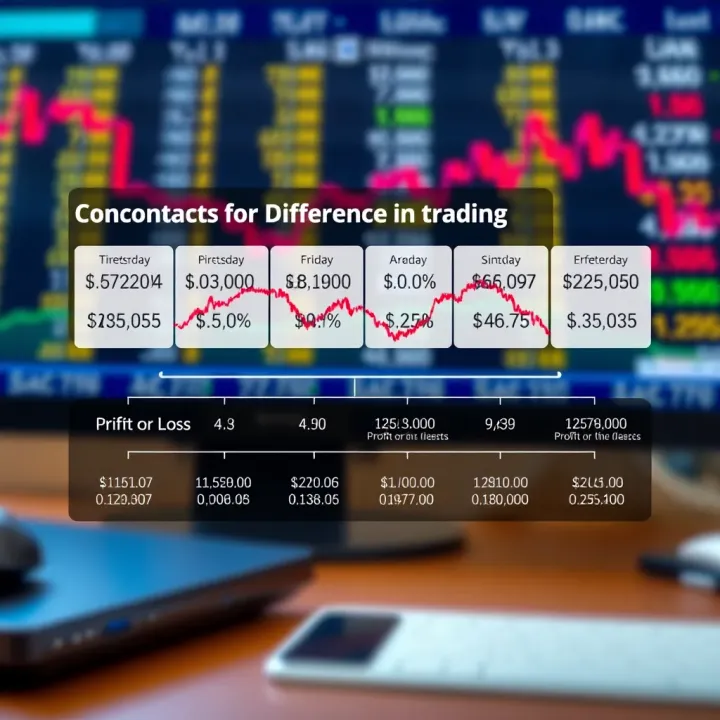
While CFDs offer high leverage and flexibility, they are not without risks. The use of margin means losses can exceed your initial investment, especially in fast-moving markets.
Understanding how leverage works is crucial. Suppose you want to control R10,000 worth of stock with a 10% margin requirement. You only need R1,000 upfront, but if the stock drops 10%, you lose your R1,000. This magnifies your losses and gains.
South African regulations, including those monitored by the Financial Sector Conduct Authority (FSCA), ensure traders operate within legal frameworks designed to protect investors. However, brokers vary widely in their fees, margin requirements, and available assets, so choosing a reputable CFD provider is essential.
Key points for South African traders:
CFDs do not grant voting rights or dividends, unlike owning actual shares.
Leverage can increase profits but also potential losses.
The local market context, including exchange rates and liquidity, impacts how CFDs perform.
Costs like spreads and overnight fees affect profitability.
In summary, CFDs offer a versatile tool for trading across asset classes but require a solid understanding of risks, costs, and local market factors. In upcoming sections, we’ll explore how to manage these aspects to trade CFDs confidently in South Africa.
Understanding Contracts for Difference (CFDs) is key for anyone keen to trade financial markets without owning the underlying asset. CFDs allow South African traders to speculate on asset price movements while only dealing with the price difference from opening to closing a position. This section breaks down what CFDs are and highlights their practical uses in trading.
Understanding price difference contracts: A CFD is essentially a contract between you and a broker where you agree to exchange the difference in value of an asset from the moment you open your trade to when you close it. You don’t own the actual share, commodity, or currency — instead, you gain (or lose) based on the asset’s price changes. For instance, if you believe Sasol shares will rise, you can open a CFD position to profit from that price increase without buying the shares outright.
How CFDs track underlying assets: CFDs precisely mirror the price movements of the underlying asset. So, if the JSE Top 40 Index rises by 1%, your CFD linked to that index will generally move up by about the same amount, minus any fees or spreads the broker charges. This tracking enables traders to position themselves on global markets without owning physical assets, providing flexibility and ease of access.
Shares: Trading CFDs on shares lets you speculate on the price shifts of South African companies like Naspers or British firms like BP without buying the shares. This reduces upfront capital since you only need margin to open positions, not the full share price. For example, if Naspers rises from R3,000 to R3,100, a CFD position profiting from this move could result in gains proportional to that 100 Rand increase.
Indices: CFD trading on indices involves speculating on market segments or whole exchanges, such as the JSE Top 40 or the US S&P 500. Instead of buying individual stocks, you bet on the general direction of the index, which spreads risk and reflects broader economic trends. This is helpful for traders looking to hedge or diversify without owning multiple shares.
Commodities: Commodities like gold, oil, or platinum are popular CFD instruments, especially in South Africa where mining plays a major economic role. You can speculate on platinum prices without storage hassles or ownership. For example, if you expect rising global demand for gold, opening a gold CFD position can be a quick way to capture gains as prices fluctuate.
Forex: CFDs also cover foreign exchange, letting you trade pairs like ZAR/USD or EUR/USD. Since foreign currencies fluctuate constantly due to economic and political factors, forex CFDs provide opportunities to profit from these moves. For South African traders, this can include speculating on rand strength or weakness against major currencies without needing large currency holdings.
Knowing how CFDs work and the assets available helps you decide where and how to place your trades with confidence, especially in the dynamic South African market.
This foundational knowledge sets you up to understand the practical benefits, risks, and strategies tied to CFD trading.
CFD trading has captured the attention of many South African retail traders because it offers unique advantages that traditional investing struggles to match. Unlike buying shares outright at the JSE, CFDs provide flexibility and ease of access. They're especially useful for those who want to get involved without tying up large amounts of capital. Let's break down why CFDs stand out.
One of the biggest draws of trading CFDs is the lower capital needed to start. Instead of paying the full price for shares on the Johannesburg Stock Exchange, you only need to deposit a fraction, called margin, to open a position. For example, to control R10,000 worth of shares, you might only need to put down R1,000 as margin. This means less upfront cash, making it easier for everyday traders to participate in markets that might otherwise seem out of reach.
This lowered barrier to entry also allows for a more diverse portfolio. Rather than committing all your funds to one asset, you can spread smaller amounts across several CFDs, spreading risk—though this depends on your trading strategy.
CFDs let you profit from both rising and falling markets by allowing you to ‘go long’ (buy) or ‘go short’ (sell) easily. If you expect a share to rise, you buy a CFD and aim to sell it later at a higher price. But if you predict a drop, you can sell a CFD first and buy it back cheaper, pocketing the difference.
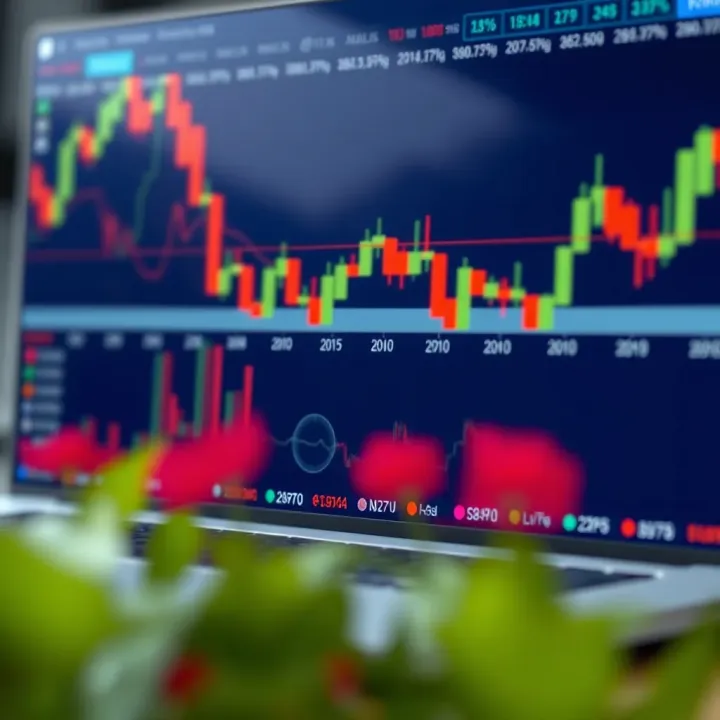
This flexibility is especially useful in volatile markets or sectors under pressure. For example, during periods when the rand weakens against the US dollar, a trader could short rand-quoted instruments anticipating further depreciation. This isn’t straightforward with traditional share investing, which only benefits from price increases.
Leverage is often what attracts traders to CFDs, but it’s a double-edged sword. Essentially, leverage means you control a larger position than your capital would normally allow, amplifying both profits and losses. If your broker offers 10:1 leverage, depositing R1,000 lets you trade R10,000 worth of assets.
For South Africans, where disposable income for investing might be limited, leverage can make exposure to international markets or expensive shares more practical. However, it’s vital to understand that while gains can multiply, losses do the same and can exceed your initial deposit if you're not careful.
Because of leverage, even small price movements can lead to meaningful gains. For example, if a share moves 5% higher, your leveraged position might yield a 50% return on your invested margin. Traders often use this to make their money work harder.
That said, maximising returns also means you need solid risk management to avoid wiping out your account quickly. Many traders combine leverage with strict stop-loss orders to limit downside while aiming for higher profits. In South Africa’s typically volatile forex or commodity markets, this balance is key.
Remember, while CFDs offer exciting chances to increase profits, they require discipline and a clear understanding of the mechanics to avoid big losses.
Overall, CFD trading appeals to South African traders keen on flexibility, smaller upfront investments, and the ability to trade both sides of the market. Leverage enhances earning potential but needs careful handling to turn advantages into real profits.
Trading Contracts for Difference (CFDs) offers flexibility but also brings several risks that every South African trader should be aware of before diving in. Understanding these risks helps you manage your exposure and avoid costly mistakes. This section highlights the main challenges, focusing on leverage implications, market volatility, and regulatory factors that affect your trading outcomes.
Impact of margin calls: Leverage allows you to trade positions larger than your invested capital, but it comes with the risk of margin calls. If the market moves against your position, your broker may require additional funds to maintain your trade. Failure to provide this margin promptly can force the broker to close your position at a loss. For example, a small 2% adverse move on a highly leveraged CFD trade could wipe out your initial margin, leading to a margin call or automatic liquidation. This can happen quickly in volatile markets, making it crucial to keep a buffer in your trading account.
Potential for amplified losses: While leverage can magnify profits, it can also dramatically increase losses. Unlike buying shares outright, where losses can't exceed the amount invested, leveraged CFD positions can result in owing more than your deposit. Imagine a scenario where you used 10:1 leverage on a position worth R100,000 with only R10,000 deposited. If the market swings 15% against you, that means a R15,000 loss — more than your initial deposit. Many traders underestimate this risk and may not fully appreciate how fast losses multiply.
Price swings affecting positions: CFD markets can be highly volatile, with prices moving sharply in seconds. Such swings can trigger stop losses or margin calls unexpectedly. A South African trader following mining stocks through CFDs might notice sharp price jumps following a sudden policy announcement or commodity price change. These rapid moves can erode capital within moments if risk controls aren't implemented.
Risks of overnight holding: Holding CFD positions overnight carries additional to risk due to possible price gaps when markets open the following day. This is especially significant for shares listed locally on the JSE or international indices. For instance, an adverse earnings report released after hours could cause the share price to gap down at market open, bypassing your stop loss and causing larger losses. Overnight holding also incurs financing charges, which can add up.
Regulation in South Africa: Trading CFDs with brokers regulated by the Financial Sector Conduct Authority (FSCA) provides added protection. The FSCA oversees brokers to ensure they meet minimum standards for client fund segregation, transparent pricing, and fair treatment. Dealing with unregulated offshore brokers might expose you to scams or poor trading conditions. For South African traders, confirming FSCA registration is a vital step before depositing funds.
Choosing trustworthy brokers: Not all brokers are equal; pick one with a solid reputation, good client reviews, and transparent pricing. Look for brokers offering easy withdrawal processes, clear margin requirements, and educational support. For example, some popular local options include IG Markets and Plus500, both regulated by the FSCA. Avoid brokers boasting unrealistic returns or pressuring you to trade excessively, as this is often a red flag.
Be aware that CFD trading carries significant risks, and proper knowledge, combined with careful broker selection and risk management, is essential to protect your capital.
By keeping these risks in mind and adopting a cautious approach, you can navigate the challenges of CFD trading in South Africa far safer and more confidently.
CFD trading can be rewarding but comes with a fair share of risks. That’s why having solid strategies and following best practices are key to staying afloat and making consistent gains. Knowing how to manage your risk and read the market accurately plays a big role in avoiding unnecessary losses, especially when you’re trading on leverage, which can magnify both profits and losses.
Setting stop losses is one of the most effective ways to protect yourself. A stop loss order automatically closes your position once a predefined price level is hit, limiting your losses if the market turns against you. For instance, if you’re long on a share CFD priced at R100, setting a stop loss at R95 means your position will sell if the price drops to that point, stopping further loss. It’s crucial to place stop losses sensibly — too tight, and normal market fluctuations might trigger them; too loose, and you risk bigger losses.
Position sizing helps control how much of your capital you risk per trade. Instead of betting all your cash on one trade, you decide the size based on how much loss you can comfortably accept. For example, if you have R10,000 and only want to risk 2% (R200) per trade, your position size will depend on the stop loss distance and leverage used. This approach prevents one bad call from wiping out your account and keeps you in the game longer.
Using charts and indicators allows traders to make sense of price movements and spot potential entry or exit points. Common tools include moving averages, which smooth out price data to identify trends, and the Relative Strength Index (RSI), which signals overbought or oversold conditions. For example, if the RSI shows oversold levels on a commodity CFD like gold, it might hint at a bounce back, helping you decide when to buy.
Incorporating economic news is equally important; developments like South Africa’s interest rate decisions by the South African Reserve Bank or unexpected political events can sway markets sharply. Staying informed about relevant news helps you anticipate market moves and adjust your trades accordingly. Say the SARB hikes rates unexpectedly, this might strengthen the rand and shift forex CFDs involving ZAR pairs.
Consistently applying risk management, technical analysis, and staying abreast of economic developments are the pillars of disciplined CFD trading. They help you make informed decisions while keeping vulnerability to losses under control.
By building sound strategies tailored to your risk tolerance and using tools designed for the CFD market, you lay the foundation for safer and more effective trading outcomes. In South Africa’s dynamic trading environment, these best practices become especially important to navigate the local financial landscape confidently.
Getting started with Contracts for Difference (CFDs) trading in South Africa demands a clear understanding of local market conditions and regulatory rules. This section guides you through practical steps for opening an account with a South African broker and choosing suitable trading platforms. Knowing what to expect at each stage will help you navigate the process confidently and avoid common pitfalls.
South African brokers must comply with local laws, notably the Financial Sector Conduct Authority (FSCA) regulations and the Financial Intelligence Centre Act (FICA). This means you'll need to provide valid identification, proof of address, and sometimes evidence of income or employment. For example, a valid South African ID or passport alongside a recent bank statement or utility bill usually suffices. These documents help prevent fraud and ensure compliance with anti-money laundering rules.
When opening an account, expect brokers to offer various account types tailored to different traders. Typical starting accounts require an initial deposit ranging from R1,000 to R5,000, depending on the broker and platform. Some accounts offer lower spreads or additional research tools but might need a higher deposit. For instance, a beginner might opt for a basic account with a modest deposit, while more experienced traders could choose accounts with features like tighter stop-loss limits or access to premium indicators. Always check the fine print, as some account types include fees or rollover costs that could affect your trading capital.
South African traders have access to popular platforms like MetaTrader 4 (MT4), MetaTrader 5 (MT5), and newer web-based options such as cTrader or proprietary broker platforms. MT4 remains a favourite because of its ease of use, broad range of technical indicators, and reliable charting. cTrader offers more advanced order types and a more modern interface but might not be available with all brokers. These platforms provide demo accounts, which are useful for practising trading without risking real money.
Besides desktop platforms, mobile apps have become essential for active traders needing to respond quickly to market changes. Most South African brokers offer mobile versions of their platforms for Android and iOS, allowing you to monitor positions, execute trades, and manage risk on the go. Mobile apps often include alerts and push notifications for price movements, which can be a great help during volatile times or loadshedding disruptions. However, keep in mind that trading on mobile might limit detailed chart analysis, so it’s better suited for monitoring and quick decisions.
Starting right with a regulated South African broker and understanding your platform options sets the foundation for prudent and effective CFD trading. Make sure your chosen broker aligns with your trading style and offers tools that match your skill level and goals.
Understanding the tax and legal framework around Contract for Difference (CFD) trading in South Africa helps traders avoid unwanted surprises. Taxation affects your take-home profits from trading, while legal responsibilities safeguard you against penalties or criminal implications. Both areas demand attention to keep your trading activities above board.
CFD profits in South Africa are generally treated as income rather than capital gains. This means that if you regularly trade CFDs, SARS will expect you to declare your earnings as part of your taxable income. For example, if you made R50,000 profit from CFDs over a tax year, that amount adds to your total income and is taxed according to your marginal rate. This approach contrasts with traditional investors who might benefit from capital gains tax rates on share transactions.
The nature of your trading habits can influence SARS’s classification—for occasional traders, profits might sometimes be seen as capital in nature, but regular trading usually falls under income tax rules. So, it’s wise to keep your records neat and be ready to demonstrate your trading frequency.
Proper bookkeeping is non-negotiable. SARS demands detailed records of all CFD trades, including dates, amounts, profits or losses, and the names of brokers used. This data supports your tax returns and safeguards you in case of an audit. For instance, if you trade via a South African broker like IG or Plus500, keep your monthly statements and transaction logs.
Also, SARS expects you to file your returns punctually and pay any tax owed. Failing to keep proper records or declare your CFD income could lead to penalties or interest charges. Using accounting software or consulting with a tax professional familiar with trading income can simplify this.
When you open a CFD trading account in South Africa, brokers must comply with FICA, designed to prevent money laundering and fraud. This involves verifying your identity through documents like your ID book or passport, proof of address, and sometimes source of funds.
This process protects both you and the financial system. Without proper FICA compliance, you won’t gain access to trading services, so it’s best to have your paperwork ready. Brokers such as Standard Bank Online Trading or EasyEquities integrate these checks during account opening.
South African law forbids insider trading, market manipulation, and trading in banned instruments. For example, trading CFDs based on non-public information about a company’s financial issues is illegal and can lead to fines or even imprisonment.
It’s important to trade only on information available publicly and follow market conduct rules. Steer clear of schemes promising guaranteed profits or operating outside regulated channels. If a broker seems sketchy or unlicensed by the Financial Sector Conduct Authority (FSCA), look elsewhere. Staying within legal bounds ensures your CFD trading remains a legitimate, sustainable activity.
Staying on the right side of tax and legal guidelines is as crucial as understanding the market when trading CFDs in South Africa. Proper preparation here protects your gains and keeps your trading trouble-free.
Explore how Deriv markets work, key derivatives in SA 🇿🇦, local regulations, risks, and tips to trade smartly with confidence and understanding 💹📉.
🌍 Learn how IFX brokers work and discover tips for South African traders to pick reliable brokers, use top platforms, and manage forex risks confidently. 📈

Explore Templer FX in South Africa 🇿🇦: trading platforms, account types, fees, regulation & support to decide if it fits your forex trading style 📊💼
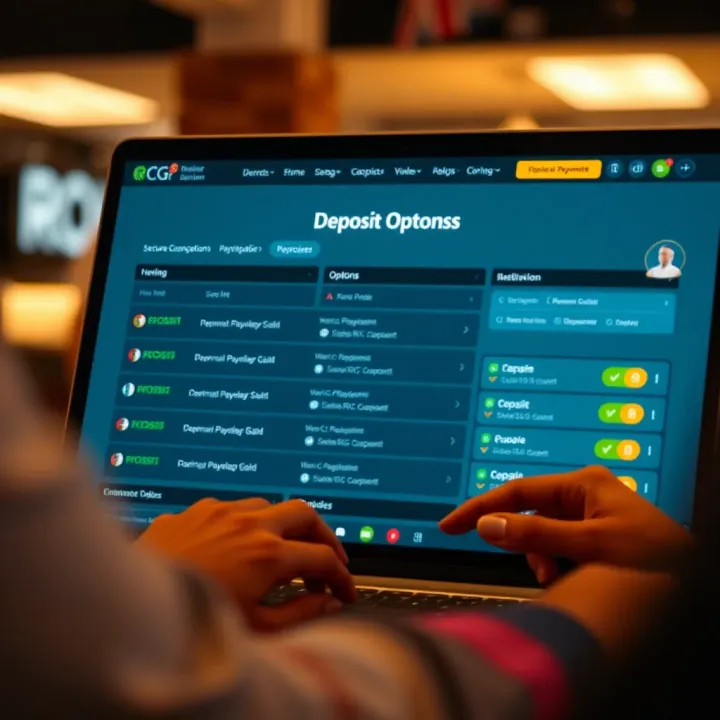
💰 Learn how to make secure RCG deposits in South Africa! Explore payment options, processing times, and tips to navigate common issues smoothly. 📲
Based on 12 reviews