

Understanding Scope Markets in South Africa
Explore scope markets in South Africa: learn their definition, key traits, industry uses, market dynamics, benefits, challenges, and success tips 📊🌍
Edited By
Sophie Campbell
In South Africa, every registered company is assigned a unique CR number by the Companies and Intellectual Property Commission (CIPC). This number acts like the company's identity card in the business world, essential for legal recognition and compliance.
A CR number is a seven- or eight-digit code that stays with the company from registration until deregistration. It is used extensively by government departments, banks, suppliers, and clients to verify the legitimacy of a business. For example, when a trader opens a business account with a bank like FNB or applies for a tax clearance certificate from SARS, the CR number is crucial in confirming the company's official registration status.
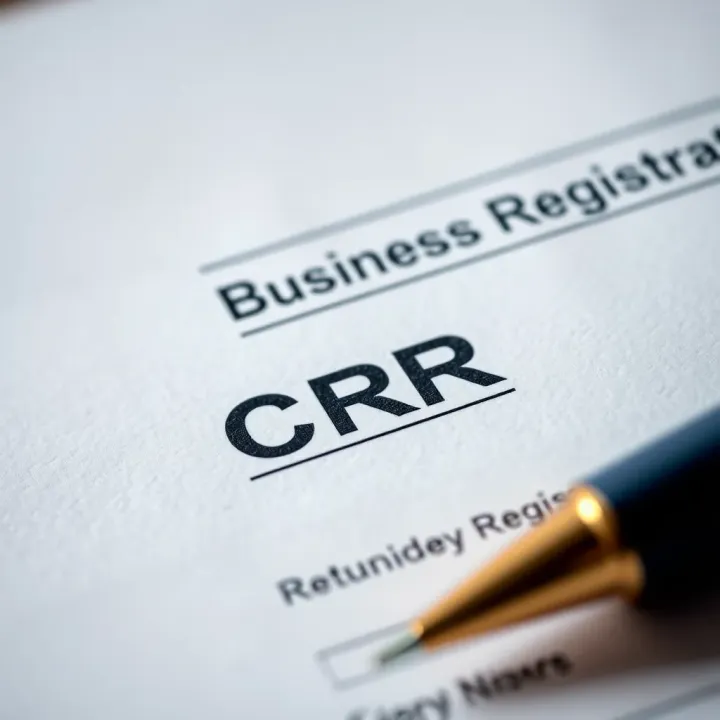
Obtaining a CR number requires registering the business with the CIPC, which involves submitting the necessary forms and paying prescribed fees. The process ensures your company is listed on the national database and compliant with the Companies Act. Once registered, the CIPC issues a certificate of incorporation displaying the CR number prominently.
The CR number is important beyond simple identification; it signals that a company has met the legal requirements needed to trade in South Africa.
Knowing how to locate and check a CR number can save time and prevent fraud. You can find a company’s CR number on official CIPC documentation, invoices, or contracts. Additionally, online verification tools on the CIPC website allow anyone to confirm the number’s validity, helping investors, financial analysts and traders assess the credibility of potential partners.
If you encounter discrepancies or suspect irregularities, you can contact the CIPC to clarify or rectify issues. It is also advisable to update your company details promptly to avoid compliance challenges.
Understanding the role and proper handling of the CR number benefits anyone involved in South African business — from investors assessing risks to traders ensuring compliance in daily operations. This number is a simple but vital piece of a business’s legal puzzle.
The CR (Companies Registration) number is fundamental in South African business registration. It serves as the unique identifier for a company within the legal and commercial framework. This number is not just an arbitrary sequence; it confirms the company’s official registration with the Companies and Intellectual Property Commission (CIPC), which is essential for legal recognition and business operations.
A CR number is essentially a registration number issued to a company upon successful incorporation with the CIPC. This number enables the company to be distinctly identified among thousands of registered entities throughout the country. For example, if you are an investor looking to verify the status of a potential business partner, the CR number acts like an ID number – you can trace the company’s official details, history, and legal standing.
The purpose of the CR number extends beyond identification. It is used in all official dealings, including tax registration with SARS (South African Revenue Service), opening business bank accounts, entering contracts, and applying for business licences. Without a valid CR number, a company would struggle to operate lawfully or establish trust with third parties.
The CIPC is the government agency responsible for registering companies under the Companies Act 2008. Once you submit your registration documents, such as the Memorandum of Incorporation (MOI) and other required forms, the CIPC reviews them to ensure compliance. Upon acceptance, they issue your company a CR number, which is recorded in their official registry.
For instance, when registering a private company (Pty) Ltd, the CIPC will issue a CR number that becomes the company's primary reference in all official records. The commission manages the entire process online, providing a digital certificate of registration that includes the CR number, simplifying access and verification for businesses and stakeholders.
The CR number acts as the key to your company’s identity, unlocking access to legal, financial, and regulatory processes across South Africa.
In summary, understanding what the CR number stands for and how it functions is essential for anyone involved in trading, investing, or analysing South African businesses. It assures you are dealing with a legitimate, registered entity recognised by national authorities.
Securing a CR number is a vital step in registering your company with the Companies and Intellectual Property Commission (CIPC). This unique identifier not only confirms your business’s legal existence but also helps streamline interactions with government bodies, banks, and suppliers. Understanding the process and requirements can save time and reduce headaches down the line.
To register a company, you’ll need to prepare certain documents and details upfront. This includes your proposed company name, which must be unique and checked against the CIPC database to avoid duplication. You’ll also need personal details of directors, a physical business address, and information about the company’s activities. For example, when registering an IT consulting firm, specifying the nature of services offered will be necessary. Submitting a completed CoR forms (found on CIPC’s site) is essential.
The CIPC charges a nominal fee for company registration, generally ranging from R125 to R475 depending on the type of company and services requested, such as reserving a name or registering a company directly. Typically, if all documents are in order, your CR number will be issued within 3 to 5 working days. Still, delays can happen, often due to incomplete forms or high demand, so submitting a complete application speeds things up.
Private companies registered with the CIPC receive a CR number that follows a specific format indicating the company type and registration year. This helps differentiate it from other entity types. For instance, a private firm like "Mzansi Traders (Pty) Ltd" will have a number starting with "200" followed by unique digits assigned sequentially. This number is critical for contracts, tax registrations, and legal compliance.
Non-profit organisations (NPOs) also get CR numbers but under a slightly different registration category. Since many NPOs rely on donor funding or tax-exempt status, their CR number helps verify their legitimacy to donors and SARS (South African Revenue Service). For example, a charitable trust fighting food insecurity would register with CIPC as a non-profit and receive a unique CR number confirming official status.
Though close corporations (CCs) are no longer registered for new businesses in South Africa since 2011, existing ones keep their assigned CR numbers. These CC numbers typically differ in length and format from private company numbers. Their CR number remains important for ongoing compliance, and if a business operating as a CC decides to convert to a private company, a new CR number will follow upon re-registration.
Having a clear grasp of the registration steps and entity-specific CR number variations helps business owners and investors ensure legal compliance and smooth operations from day one.
Knowing where to find and how to verify a Company Registration (CR) number is vital for anyone involved in South African business—especially traders, investors, and financial analysts. The CR number is a unique identifier for companies registered with the Companies and Intellectual Property Commission (CIPC). Locating this number on official documents helps confirm the legitimacy of the business, while verifying its validity protects you from scams or outdated information.
The Certificate of Incorporation is the primary document issued by the CIPC when a company is registered. It officially confirms the company’s existence under South African law and includes the CR number prominently. This number usually appears near the top of the certificate or close to the company details. For instance, if you’re considering investing in a new entity, the certificate will provide the exact CR number you can use for further checks.
This document is the safest place to locate the CR number because it is an official government-issued record. If you receive this certificate from a company during due diligence, take a moment to note the CR number for verification.
Beyond the Certificate of Incorporation, other registration documents provided during the company setup include the Memorandum of Incorporation (MOI) and registration confirmation letters. These often carry the CR number as part of the header or within the company information section. While not as official as the certificate, they serve as supplementary proof.
For example, when preparing contracts or financial agreements, referencing the CR number from these documents ensures the entity you’re dealing with matches the registered business. This consistency guards against errors that could affect legal and financial dealings.
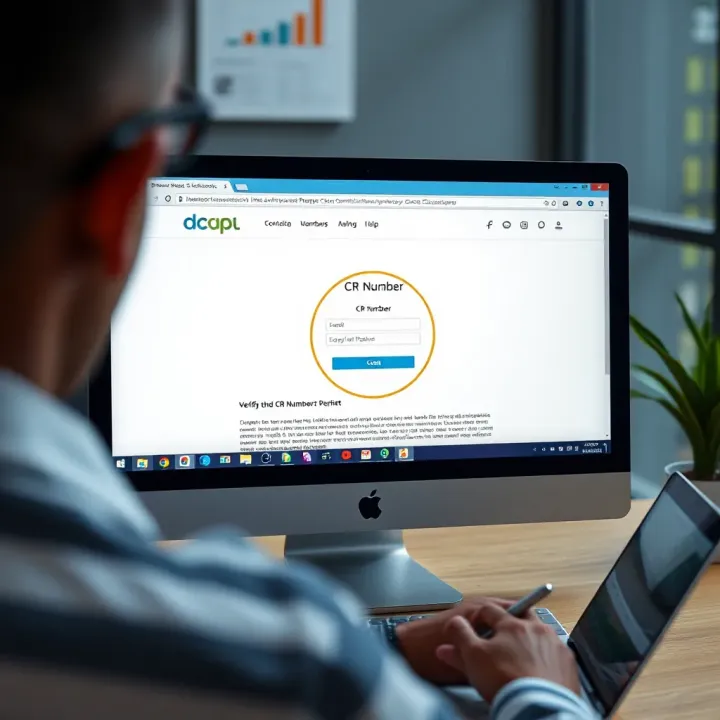
The CIPC offers an online service to verify the status of a CR number. By entering the CR number on their portal, you can immediately see if the company is active, deregistered, or in liquidation. This tool updates regularly and provides accurate, official information.
This is incredibly useful for financial analysts assessing company stability or investors doing due diligence. For instance, you might discover that a supplier’s CR number is no longer valid, signalling potential risks before signing agreements.
Several reputable online platforms also offer company verification services that include CR number checks. These services often compile additional data such as financial history, directorship details, and credit ratings along with registration status.
While they add value by providing broader insights, it’s important to cross-check such information with the CIPC portal to ensure accuracy. Traders occasionally use these services to quickly screen numerous suppliers or partners, but the definitive verification always comes from CIPC.
Accurate location and validation of the CR number can save you from costly mistakes and support robust business decisions in South Africa’s dynamic market.
Locating and verifying the CR number is a small step but a fundamental part of ensuring corporate legitimacy and compliance. It protects your investments, sharpens your analysis, and underpins trustworthy relationships in the business world.
The CR (Companies Registration) number plays an essential role in everyday business operations. It serves as a key identifier in legal and financial dealings and helps businesses stay on top of compliance requirements. Without a valid CR number, a company might face delays, compliance issues, or lack the ability to enter into binding agreements.
When entering contracts or agreements, the CR number confirms a company's registered identity. This ensures the other party can verify that they are dealing with a legitimate, registered entity. For example, a supplier delivering goods to a business will often check the CR number on the invoice or contract to confirm the buyer's registration details at CIPC (Companies and Intellectual Property Commission). This avoids possible scams and ensures accountability.
In disputes, courts and legal practitioners refer to the CR number to confirm the company's status and authority to enter agreements. Therefore, always including the CR number on official documents avoids unnecessary delays and builds trust between parties.
The CR number also links a business to its tax profile with the South African Revenue Service (SARS). When registering for Value-Added Tax (VAT), Pay As You Earn (PAYE), or other tax types, SARS requires the company’s CR number for verification purposes. This connection helps SARS track compliance and streamlines the tax registration process.
For instance, if your company has a CR number but is not registered for VAT, SARS will require that number when you apply. It helps them access your registered company details swiftly, linking tax records to the correct business. This reduces the risk of duplicates or errors in tax submissions.
Companies in South Africa must submit annual returns to CIPC, confirming current company details and paying associated fees. The CR number is the primary reference in this process. It clearly identifies which company is submitting, preventing mix-ups.
Failing to submit annual returns with the correct CR number can result in penalties or the company being deregistered. Traders and investors should keep a close eye on these submissions to ensure companies remain in good standing.
The CR number also helps stakeholders monitor company status updates such as changes in directors, registered addresses, or company name amendments. By using the CR number to request updates via CIPC’s services, investors and lenders can verify the company’s current status.
For example, before finalising a credit agreement, a bank will use the CR number to ensure the business hasn’t been liquidated or deregistered recently, protecting themselves from legal and financial risks.
The CR number acts like a company’s fingerprint, vital not only for registration but throughout its operational life.
Overall, maintaining accurate CR number details supports smooth business dealings, legal clarity, and reliable financial reporting.
Handling problems related to your company registration number (CR number) is essential for maintaining smooth business operations and compliance with South African law. Since the CR number acts as your official identity with the Companies and Intellectual Property Commission (CIPC), any issues linked to it can lead to delays in transactions, challenges with bank processes, or difficulties dealing with SARS for tax matters. This section highlights how to address common problems, ensuring that you stay on top of your corporate obligations.
Losing your CR number can be a headache, especially if you need to quickly provide it for legal or financial transactions. The fastest way to retrieve it is to log in to the CIPC online portal using your company's details. This portal keeps a record of all registered companies and their CR numbers. If you don't have online access, you can request a copy of your registration documents — like the certificate of incorporation — from CIPC, which will clearly show your CR number.
Sometimes, companies misplace this vital information because they don’t keep digital or physical copies in a secure spot. It helps to save the CR number in your company’s digital records and ensure key staff have access to it. In cases where urgency is needed, going directly to a CIPC office for face-to-face assistance might speed things up.
Mistakes in company details registered with the CIPC can affect your CR number's accuracy and consequently your company’s official records. For example, if your company’s registered address or director information changes but isn't updated, it could cause mismatches when submitting tax returns or applying for funding. Fortunately, CIPC allows you to update these details online through their CoR39 form or by visiting an agency.
Keeping your company info current isn't just legal housekeeping; it ensures banks, clients, and SARS all have the right data, preventing headaches down the line. For instance, a missing or outdated contact number might delay verification processes that are routine in business.
Occasionally, companies might face disputes over registration data—this could range from conflicting information about the company's name, director identities, or ownership details. Such disputes might arise from clerical errors, or in rare cases, fraudulent registrations.
Resolving these issues requires submitting evidence to the CIPC backing your claim, like identity documents or shareholder agreements. If disagreements persist, legal consultation might be necessary to clarify ownership or governance. This step is crucial to prevent complications with contracts or tax matters, where an incorrect CR number or associated details could invalidate important transactions.
Keeping your CR number troubles at bay means promptly checking and correcting any errors, and safely storing your company registration documents. These simple steps protect your business credibility and avoid unnecessary delays.
In all, dealing with CR number issues swiftly keeps your company on the right track with CIPC, SARS, and other stakeholders in South Africa's business environment.
Explore scope markets in South Africa: learn their definition, key traits, industry uses, market dynamics, benefits, challenges, and success tips 📊🌍

Discover how pocket brokers work in South Africa. Learn their benefits, risks, and essential tips to confidently choose the right broker for your investments 📈💼

Explore Olymp Trade's key features, account types, and risk tips tailored for South African traders seeking smart online trading opportunities 📈💡🇿🇦

Explore how prop firms in South Africa work, their benefits, risks, and tips for traders looking to join these local trading hubs. 📈🇿🇦
Based on 10 reviews