

Guide to Trading on Quotex for South African Users
📊 Explore Quotex for South African traders: Learn how to set up accounts, use trading tools, and stay secure. Make smarter trading choices with our clear guide!
Edited By
Isabella Turner
For South African traders looking to join online platforms, understanding the legitimacy of a service like Deriv is non-negotiable. Deriv offers trading in forex, commodities, and synthetic indices, and its appeal lies in an easy-to-use interface and a variety of account types. But does it live up to expectations when it comes to trustworthiness and security?
Deriv operates globally and is regulated by several bodies, including the Malta Financial Services Authority (MFSA) and the Vanuatu Financial Services Commission (VFSC). While this doesn’t guarantee full protection, it does suggest a level of oversight missing in many unregulated platforms. However, South African regulators such as the Financial Sector Conduct Authority (FSCA) do not directly license Deriv, which means local traders must exercise more caution.

The platform’s security measures include SSL encryption and two-factor authentication (2FA), adding layers to safeguard user data and funds. Yet, like any online trading service, Deriv carries inherent risks. Variable market conditions and the complex nature of derivatives can quickly lead to losses, especially for newcomers.
Remember: No online trading platform can eliminate risk, so it's vital to understand what you’re getting into and trade responsibly.
Deriv offers flexible account types, including demo accounts, which allow you to practise without risking real money—a smart starting point. For actual trading, options range from simple digital options to more complex multipliers, catering to varying levels of experience. The platform supports multiple deposit and withdrawal methods commonly used in South Africa, like bank transfers and e-wallets.
South African traders should also consider factors beyond regulation and security—customer service responsiveness, platform stability during peak hours, and ease of withdrawing funds. Deriv’s mixed reviews from users highlight these areas, with timely withdrawals praised by some and delays reported by others.
By understanding these elements — regulatory framework, security protocols, account options, and user experiences — you can better judge if Deriv suits your trading style and risk appetite. This article breaks down each aspect, with a focus on what matters most to South African traders looking for a reliable and transparent platform.
Knowing what Deriv brings to the table is essential for any trader weighing up their options. This platform offers a variety of markets and tools that cater to both beginners and seasoned traders. Understanding the key features helps you decide if it fits with your trading style and risk appetite.
Deriv covers multiple asset classes, including forex pairs, commodities like gold and oil, cryptocurrencies such as Bitcoin and Ethereum, and synthetic indices designed to mimic market volatility 24/7. For South African traders, access to synthetic indices is particularly interesting as they provide market exposure even during local off-hours when traditional markets are closed.
This variety means you can diversify your portfolio or focus on your preferred niche, whether it’s currency trading or speculating on crypto price swings. For example, during Eskom’s loadshedding, you might find synthetic indices useful since they aren't affected by the usual market hours.
Deriv’s platform is browser-based and mobile-friendly, which means you don’t need bulky software installations. The interface is uncluttered and straightforward, making it easier to spot trading opportunities quickly—a must in volatile markets. Real-time charts and various drawing tools are built in, helping traders analyse price movements with ease.
Their technology also supports instant execution and low-latency connections, crucial for traders who want to avoid slippage during high volatility. For South Africans using data-capped connections, this efficiency is a practical plus.
Deriv offers both demo and live accounts to suit different needs. The demo account lets you practise without risking real money, using virtual funds to explore the platform and test strategies. This feature can be invaluable for novices still learning how the markets tick or for experienced traders wanting to trial new approaches.
Real accounts require a minimum deposit, with options to start small. This tiered system means you can scale your exposure cautiously and gain confidence before committing larger sums.
Traders can choose from a variety of trade types, such as multipliers, where profits and losses depend on chosen multipliers; classic options trading; or contracts for difference (CFDs). Multiple platforms are available, including the Deriv Trader app for mobile users and the Deriv MT5 platform for those familiar with MetaTrader’s environment.
This flexibility allows you to pick tools that align with your trading goals and comfort level. For instance, if you’re used to MetaTrader for forex, the MT5 platform might offer a smoother transition.
Understanding Deriv’s core tools, account types, and technology helps you make an informed choice. It’s not just about whether Deriv is legitimate, but whether it suits your specific trading needs and local conditions.
Understanding Deriv's regulatory status is key for South African traders who want to ensure their investments are safe and that the platform operates within legal boundaries. Given the rise of online trading and occasional scams, knowing if a broker is properly licensed helps you avoid unnecessary risks. It also shows if Deriv follows industry standards for transparency and client protection.
Deriv holds licences from multiple respected authorities, covering different global regions. For instance, it operates under the Malta Financial Services Authority (MFSA), the Labuan Financial Services Authority (FSA) in Malaysia, and the Vanuatu Financial Services Commission (VFSC). These licences mean Deriv complies with specific regulatory requirements such as financial reporting and risk management. That said, each regulator has different levels of strictness, and some are more recognised internationally than others.
For South African traders, having Deriv regulated by several authorities means there’s a level of oversight that can reduce the chance of malpractice. It’s not the same as being licensed by the South African Financial Sector Conduct Authority (FSCA), but it does reflect the company’s effort to align with global compliance.
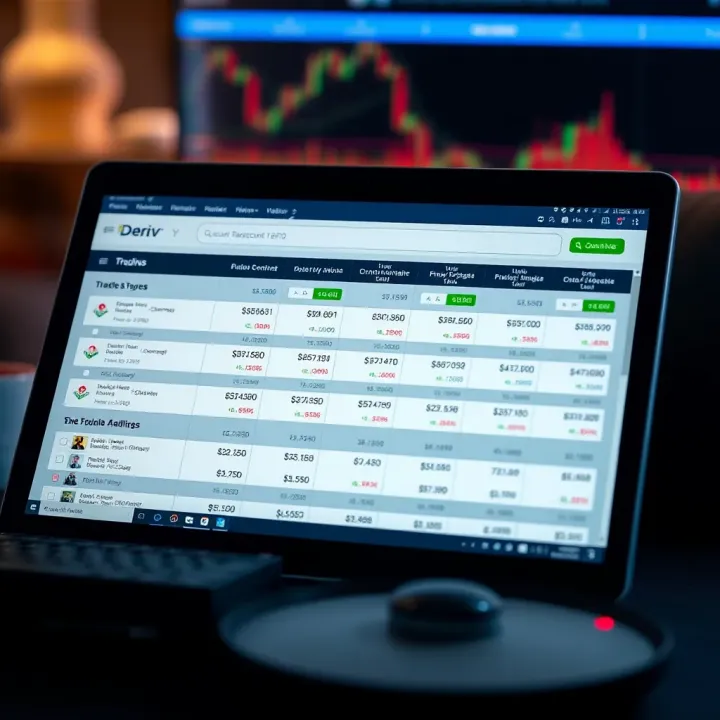
Deriv’s lack of a direct FSCA licence means South African users trade at their own risk, as the platform isn’t officially authorised locally. This isn't unusual for international brokers but does limit the protections typically offered by domestic regulation. For example, South African traders can't rely on the Financial Services Ombud Service if disputes arise.
That means it’s crucial to be vigilant, checking the platform’s transparency and ensuring you're comfortable with the risks. Practically, this includes verifying responsible trading practices, clear terms, and accessible customer support. While Deriv’s overseas licences offer some assurance, South Africans should treat their trading accounts with the same caution as any international investment.
Deriv requires users to comply with the Regulation of Interception of Communications and Provision of Communication-Related Information Act (RICA) and the Financial Intelligence Centre Act (FICA). This means traders must submit identity documents and proof of residence to confirm their identity, which helps prevent fraud and money laundering.
For South African traders, this is no different from local banks or investment platforms. Completing these requirements ensures you are participating in a transparent, legally compliant ecosystem. Failure to provide accurate verification can lead to suspension or closure of accounts.
The Protection of Personal Information Act (POPIA) governs how personal data must be handled in South Africa. Although Deriv is an international platform, it generally commits to international data privacy standards and often applies POPIA-like safeguards, given their prominence in global financial services.
From a practical viewpoint, South African users should review Deriv’s privacy policy before signing up to understand how their data is used, stored, and protected. With growing concerns over data misuse, knowing these safeguards helps you trade with confidence that your personal information won’t be mishandled.
Verifying licensing and local legal compliance isn’t just bureaucracy—it’s about your financial safety and peace of mind when trading online.
In summary: South African traders should weigh the benefits of Deriv’s international licences against the platform’s lack of local FSCA authorisation and must comply diligently with KYC (Know Your Customer) rules and data protection practices.
Security and customer protection form the backbone of trustworthiness for any online trading platform. For South African traders considering Deriv, understanding these factors is essential before investing funds or personal data. Security measures help prevent fraud, unauthorised access, and financial loss, while solid customer protection ensures issues are resolved fairly and promptly.
Deriv employs strong encryption protocols to safeguard user data during transactions. This means sensitive information, like your bank details or personal identification, is scrambled and unreadable to outsiders while in transit. In practice, this helps prevent hackers from intercepting your data on unsecured Wi-Fi networks, a common threat for online traders.
Beyond encryption, Deriv’s privacy policies typically align with international standards, ensuring that personal data isn't misused or sold to third parties. This is especially relevant for South African users given the Protection of Personal Information Act (POPIA), which mandates strict data handling and storage conditions.
One key protection for traders is how their money is handled physically. Deriv keeps client funds separate from the company's operating funds, a practice called segregation. This means that even if the company faces financial trouble, your trading capital remains protected and accessible.
Segregation also reduces the risk of funds being used for purposes unrelated to your trading activity, which can happen in less regulated environments. For a South African trader, knowing this adds confidence that their deposits are safe and not mingled with the company’s own reserves.
Reliable support is vital when trading online; issues with payments, account access or platform glitches can arise. Deriv provides multiple customer service options, often including live chat, email, and sometimes phone support. This range lets traders quickly get help in a preferred format.
For South African users, having accessible support tailored to their time zone and language preferences is a practical benefit. It means questions don’t hang unanswered, reducing frustration and potential trading disruptions.
Despite best efforts, disputes may occur. Effective complaint handling depends on clear processes and fair resolutions. Deriv usually offers structured mechanisms to submit concerns and escalate issues if needed.
A crucial part here is transparency. Traders appreciate platforms that communicate timelines for responses and outcomes. Also, ease of escalating unresolved disputes to an external ombudsman or regulator can offer additional peace of mind. For South African traders, this aligns with the expectation of fair treatment under consumer protection laws.
Having robust security and customer protection not only shields traders from financial harm but also builds trust that is key in choosing an online trading platform like Deriv.
User feedback and community insights offer a real-world perspective on Deriv, beyond what official documents and marketing material provide. For South African traders, these views highlight how the platform operates in practice, pointing to both strengths and pitfalls that could impact trading decisions. Listening to experienced users helps potential traders avoid common mistakes and better understand the platform’s suitability to their needs.
Many users praise Deriv for its intuitive interface and diverse trading options. For instance, traders often note how the platform’s web and mobile apps make placing trades straightforward, even for beginners. The availability of demo accounts is another plus, allowing users to practise without risking real money. Features like customisable charts and multiple trade types (such as options and forex) attract those who want flexibility.
These usability strengths matter because they reduce the learning curve and make it easier for South African traders to manage their investments confidently. A user-friendly platform encourages disciplined trading habits, which can improve outcomes.
On the flip side, some users report delays in withdrawals and occasional customer support frustrations. For example, traders have experienced longer waiting times during peak hours or noticed that resolving disputes can require persistence. Others mention that navigating the regulatory landscape, especially with local compliance requirements like RICA and FICA, can cause hiccups.
Understanding these common issues is vital for South African traders considering Deriv. Being aware that certain processes might take longer or require extra paperwork helps set realistic expectations and encourages careful planning.
Within South African trading circles, Deriv enjoys a mixed reputation. While it is respected for offering low entry barriers and accessible tools, some traders remain cautious due to occasional concerns over withdrawal speed and customer service. It is often seen as suitable for newcomers or those experimenting with different trade types, rather than high-frequency or large-scale professional trading.
This nuanced reputation matters because it reflects how Deriv fits locally, where users juggle strict regulatory rules and economic factors like forex volatility.
When compared with established platforms like IG or Plus500, Deriv’s competitive edge lies in its simplicity and demo features, but it might lag in advanced research tools or regulatory backing recognised by SARB or FSCA. Some South African traders prefer platforms with stronger local support or those integrated with their banks’ online systems.
Hence, South African traders should weigh Deriv’s benefits against alternatives by considering their experience level, regulatory comfort, and the specific instruments they want to trade. This helps avoid surprises and ensures better alignment with personal goals.
Engaging with fellow traders and learning from their experiences on Deriv provides a clearer picture of what to expect, making your trading journey more informed and less risky.
Trading on platforms like Deriv can offer exciting opportunities but comes with risks that any South African trader should weigh before diving in. Understanding these risks helps you avoid costly mistakes and trade smarter, not harder. Let’s look closely at the main risks and some practical tips to keep you on safer ground.
Market volatility and leverage dangers
Financial markets can shift fast, often without much warning. With Deriv offering leverage—meaning you can trade with more money than you actually have—the potential gains can be attractive but the losses equally harsh. For instance, a small swing in currency prices can wipe out your investment if you’re highly leveraged. This is especially relevant for South African traders amid currency fluctuations and economic shifts, such as when the rand weakens quickly against the dollar.
Leverage amplifies both profits and losses, so it’s like a double-edged sword. Even skilled traders need a robust risk strategy to avoid heavy blows. Without it, you can lose more than your initial deposit, a risk that’s often underestimated by newcomers.
Platform-specific risks and scams
While Deriv operates with several regulatory licences, South African users should be mindful of the online trading landscape where scams sneak in under the guise of legitimate platforms. It pays to scrutinise any trading platform’s track record, regulatory compliance, and customer feedback before committing funds.
Phishing attacks, fake websites mimicking Deriv’s brand, and misleading promises of guaranteed profits are common ploys done by fraudsters. Even with a trustworthy platform, technical glitches or withdrawal delays can happen. South African traders need to monitor their accounts regularly and verify any suspicious communication to avoid falling prey.
Starting with demo accounts
Demo accounts offered by Deriv let you practise trading with virtual money before you risk your hard-earned cash. This is invaluable, especially if you’re new to trading or unfamiliar with how specific instruments behave.
Using a demo account helps you learn the ropes, test different strategies, and get comfortable with the platform interface without pressure. Many South African traders waste money jumping straight into real markets without this preparatory step, making avoidable errors.
Managing risk and capital
Good risk management is the backbone of sustainable trading. This means setting limits on how much of your capital you expose to the market at any given time. A common guideline is risking only one to two percent of your total trading capital per trade, helping preserve your funds during losing streaks.
Also, use stop-loss orders—an automatic trigger to exit a trade at a set loss level—to cap downside risk. Keeping records of trades and reviewing performance helps refine your approach over time. For South Africans, managing risk is even more crucial amid economic uncertainties and variable market hours due to international time zones.
Trading isn’t a get-rich-quick scheme. Approaching it with respect for the risks and using the tools that Deriv and other platforms provide will help you navigate the market with greater confidence and control.
In summary, knowing what risks you’re taking and taking measured steps can protect your investment and improve your chances of success on Deriv.
📊 Explore Quotex for South African traders: Learn how to set up accounts, use trading tools, and stay secure. Make smarter trading choices with our clear guide!

Explore PocketOption 📱 tailored for South African traders 🇿🇦: learn setup, trading tips, payment options 💳, and understand platform risks for smarter choices.

Discover how FXPro bonus offers work for South African traders 🇿🇦. Learn eligibility, terms, and tips to maximise gains while staying clear of common traps 💡.
🌍 Learn how IFX brokers work and discover tips for South African traders to pick reliable brokers, use top platforms, and manage forex risks confidently. 📈
Based on 11 reviews