

FX Trading Basics for South African Investors
🌍 Learn the essentials of FX trading for South African investors—from market basics and strategies to risks and regulations. Start trading smarter today! 💰
Edited By
Ethan Marshall
Derivative trading can seem like a complex world, but it’s actually a powerful tool for investors in South Africa who want to manage risk or speculate on price movements. At its core, a derivative is a financial contract whose value depends on an underlying asset, such as shares, commodities, currencies, or indices. Rather than owning the asset itself, derivative traders typically enter agreements that reflect the asset’s performance.
South African investors often access derivatives through exchanges like the Johannesburg Stock Exchange (JSE), which offers products such as futures and options. For instance, a maize farmer in the Free State might use futures contracts to lock in grain prices ahead of the harvest, protecting against unpredictable market swings. Meanwhile, a stock trader in Johannesburg might buy options to hedge a portfolio or make leveraged bets on share price changes.
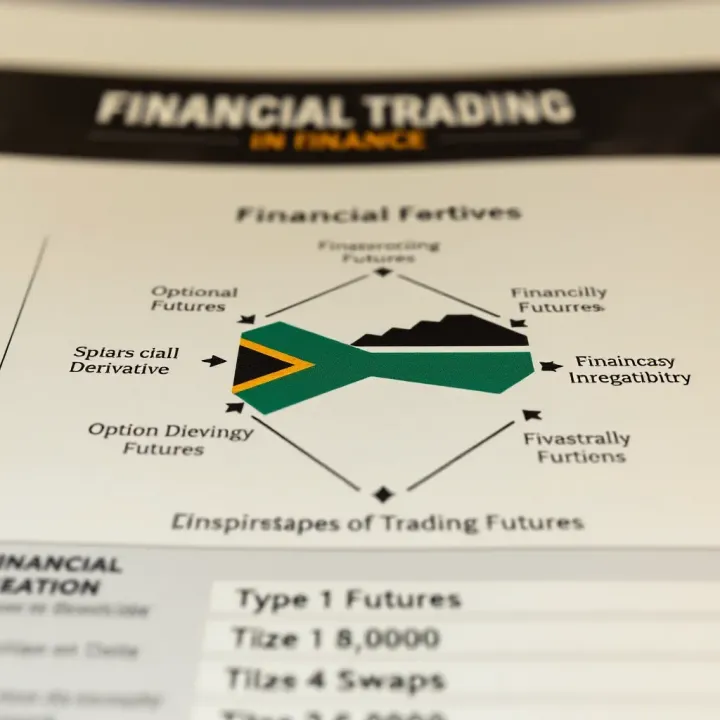
Understanding the distinct types of derivatives is key:
Futures: Obligations to buy or sell an asset at a future date and price, useful for locking in costs or prices.
Options: Contracts offering the choice, but not the requirement, to buy or sell at a set price before expiry — these can limit risk while allowing profit potential.
Swaps: Agreements to exchange cash flows or risks, common in interest rate or currency markets.
A practical tip for locals is to keep an eye on market regulations overseen by bodies like the Financial Sector Conduct Authority (FSCA). These rules shape how derivatives are traded, ensuring transparency and protecting investors from fraud or excessive risk. Additionally, South African derivative trading is sometimes impacted by factors like exchange rate volatility and load shedding, which can influence market conditions and trading hours.
When trading derivatives, never underestimate the role of risk. Because of leverage, losses can exceed initial investments, so thorough research and clear strategies are essential.
Traders also rely on platforms offered by brokers registered in South Africa — popular choices might include IG, Standard Bank Online Investing, or local proprietary systems linked to the JSE. Each platform varies in terms of access, fees, and available products, so evaluating your options matters.
In short, derivative trading offers flexibility and risk management for investors but demands understanding and discipline. Throughout this guide, you’ll find insights tailored for South African markets and examples you can relate to.
Knowing the basics of derivatives is essential for anyone ready to step into South Africa's trading arena. Derivatives let you access market moves without owning the underlying asset outright, which can offer both flexibility and risk management. Understanding them clearly helps prevent costly mistakes and opens up practical ways to protect or grow your investments.
Financial derivatives are contracts whose value comes from an underlying asset, like stocks, bonds, currencies, or commodities such as gold or maize. They don’t represent direct ownership; instead, they allow you to agree now on a price or outcome that will apply in the future. For example, a South African farmer might use derivatives to lock in a price for their maize crop ahead of harvest, shielding against unexpected drops in the market.
Derivatives serve various practical purposes: from hedging risks and speculating on price changes to arbitrage — profiting from price differences across markets. For traders, understanding these purposes guides better decision-making based on whether you want to manage risk or seek profit opportunities.
Unlike shares or bonds, which represent ownership or lending, derivatives derive their value entirely from an underlying asset. Think of shares as owning a slice of a company, while a derivative is more like a bet on how the company's share price will move. This means derivatives can offer higher leverage but also greater risk.
For example, buying 100 shares in a South African mining company gives you a direct stake, including dividends and voting rights. Buying an option contract tied to those shares lets you profit if the price rises, but you don’t own the shares unless you exercise the option. This distinction influences how you manage exposure and potential losses.
A futures contract obliges the buyer to purchase, and the seller to sell, an asset at a predetermined price and date. In South Africa, JSE offers futures on commodities and indices, providing tools for hedging or speculating. For instance, an exporter worried about rand fluctuations might use currency futures to lock in a favourable exchange rate, avoiding surprises when payment happens.
Options give the buyer the right, but not the obligation, to buy or sell an asset at a specific price within a set timeframe. This flexibility comes handy for traders wanting to limit risk while keeping upside potential. Say you want to speculate on a share without committing fully; buying a call option lets you profit from upward moves without exposing yourself to full share price risk.
Swaps are agreements to exchange cash flows or liabilities between parties, typically to manage interest rate or currency risk. South African companies with foreign loans might use interest rate swaps to switch variable-rate debt to fixed rates, stabilising repayments despite market shifts. While swaps aren’t often traded on public exchanges, they’re key instruments in managing financial risks.
Similar to futures but traded over-the-counter (OTC), forwards are bespoke contracts to buy or sell assets at an agreed price in the future. They’re less standardised and hence, riskier in terms of counterparty default. Farmers and exporters commonly use forwards to set prices for crops or currency, locking in revenues and costs.
Understanding these derivative types is not just academic — in South Africa's market, they offer practical tools that can shield your investments from volatility or open doors to profit opportunities. Knowing how each works helps you navigate the maze with more confidence and less guesswork.
Understanding how derivative trading operates is key for any trader or investor stepping into this market. Unlike traditional shares or bonds, derivatives involve contracts whose value depends on underlying assets like stocks, indices, or commodities. Grasping the mechanics behind these contracts helps traders make informed decisions about opening, maintaining, or closing positions.
In South Africa, the Johannesburg Stock Exchange (JSE) serves as the primary market for trading many derivatives, including futures and options. Traders typically use specialised electronic platforms offered by stockbrokers or financial institutions to access these products. These platforms provide real-time pricing, order execution, and risk management tools.
For example, a trader wanting to hedge exposure to the JSE Top 40 index might use the JSE’s equity derivatives platform to buy index futures. The efficiency and accessibility of these venues matter because they influence liquidity and pricing accuracy, which in turn affect how quickly traders can enter or exit positions.
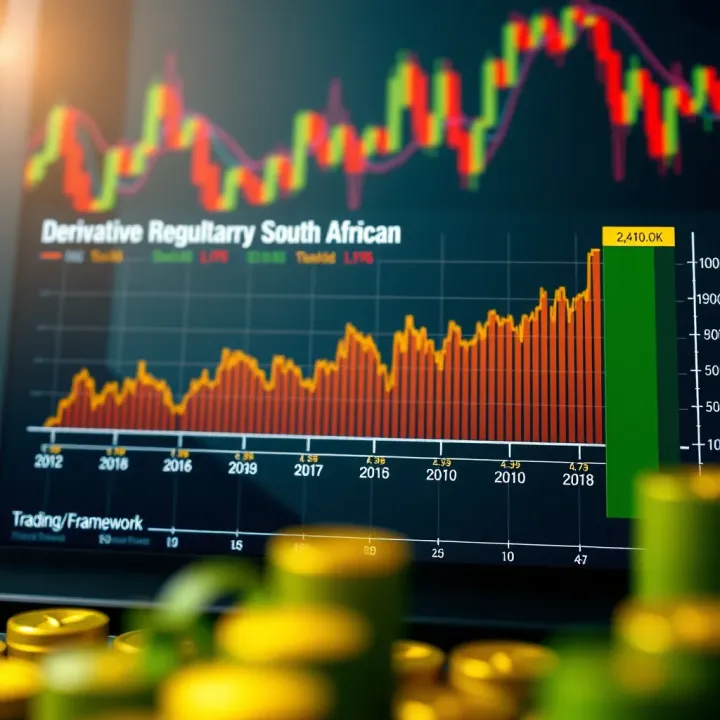
Every derivative contract carries specific terms: the underlying asset, contract size, expiry date, and settlement method. These details determine the contract's value and risk profile. For instance, a futures contract on white maize traded on the JSE has a fixed size (e.g., 25 tonnes), a set settlement month, and cash settlement based on local prices.
Knowing contract specifics is crucial. Imagine you’re trading options on a gold ETF: understanding strike prices, expiry dates, and whether the option is American or European-style can make the difference between a profitable trade and a costly mistake.
To open a derivatives position, traders usually need to post margin—a deposit acting as security against potential losses. The margin amount depends on the contract type and market volatility. In South Africa, brokers often require initial margin of around 10-15% of the contract’s nominal value for futures.
This requirement ensures participants can cover daily losses (mark-to-market) without defaulting. For example, if you enter a futures contract on the JSE Top 40 valued at R100,000, you might have to provide R12,000 upfront. Your broker will then monitor your account, issuing margin calls if losses reduce your balance below maintenance levels.
Leverage lets traders control large positions using a smaller amount of capital, magnifying both profits and losses. For example, with a 10% margin, investing R12,000 controls a R120,000 exposure. If the price moves 5% in your favour, your return on the initial margin jumps significantly. But if it moves against you, losses can also wipe out your margin quickly.
Leverage is a double-edged sword. While it can boost returns, it can just as easily erode your capital. Traders must understand the risks and size their positions properly to avoid ending up on the wrong side of the market.
When market moves cause losses that shrink your margin below maintenance requirements, brokers issue margin calls, asking for more funds to cover the gap. If you can’t meet these calls, your broker may liquidate positions to limit losses.
Good risk management means monitoring your account closely and keeping extra cash available for such situations. For example, a volatile Mtumba Exchange-traded derivatives contract might require you to add funds 'quick-quick' to avoid forced closure. Ignoring margin calls can lead to automatic position closing and real losses.
Efficient derivative trading in South Africa depends on understanding where and how you trade, the details of contract terms, margin management, and how leverage shapes your risk and reward. Start small, learn the mechanics, and always keep an eye on your exposure.
Trading derivatives carries its share of risks, which traders need to understand clearly before diving in. While these instruments offer opportunities for hedging or speculation, the downside can be significant if risks aren’t carefully managed. For South African traders, knowing the specific market and credit risks involved helps in making informed decisions and avoiding nasty surprises.
Volatility impact plays a central role in derivative trading. Since derivatives often have leverage, even small price swings in the underlying asset—like a share on the JSE or the rand-dollar exchange rate—can cause outsized gains or losses. For instance, a sudden spike in oil prices due to geopolitical issues might cause derivative contracts based on energy shares to swing wildly. This volatility demands constant attention and quick decision-making from traders, especially when markets are choppy.
On top of that, liquidity challenges can make it tough to enter or exit derivative positions smoothly. Liquidity refers to how easily you can buy or sell without drastically affecting the price. In South Africa, certain derivative contracts on less popular shares might suffer from thin volume, meaning traders face wider spreads or delays when closing positions. For example, a speculative trader trying to offload a futures contract on a small cap might struggle to find a buyer, exposing them to higher risk or potential losses.
Default risk centres on the possibility that the other party in a derivative contract fails to meet their obligations. In an over-the-counter (OTC) derivative deal, this is a real concern because there’s no exchange backing the trade. Imagine an investor entering into a forward contract to buy gold but the seller defaults; the buyer could be left exposed if prices move unfavourably.
To reduce such risks, many trades go through clearing houses that act as intermediaries. Clearing houses step in between buyers and sellers, guaranteeing the contracts and reducing default chances significantly. The JSE’s clearing division, for example, handles numerous derivatives, ensuring transactions settle reliably even if one party can’t meet their end. This system adds a layer of safety but often comes with margin requirements that traders need to meet.
Managing risks effectively is just as vital as spotting opportunities when trading derivatives. Understanding market volatility, liquidity limits, and counterparty reliability sets you up for smarter, safer trading in South Africa’s markets.
In short, derivative trading requires balancing potential rewards with an honest assessment of these risks. Traders who keep a close eye on market behaviour and use established infrastructure like clearing houses have a better shot at navigating the unpredictable waters ahead.
Derivative trading plays a significant role in South Africa’s financial markets, offering both investors and businesses tools to manage risks and seek opportunities. The local market provides solid infrastructure and access to a variety of derivative products suited to the unique economic environment here. For example, farmers can hedge against fluctuating commodity prices, while investors may use index futures to gain exposure to the JSE Top 40 without buying individual stocks.
Understanding this market is crucial for anyone keen on trading derivatives in Mzansi. It reflects factors like rand volatility, local economic shifts, and sector-specific risks. What’s more, derivative trading here is becoming increasingly accessible thanks to the growth of online brokers and transparent regulatory oversight.
The Johannesburg Stock Exchange (JSE) is the primary arena for derivatives trading in South Africa. Since it operates as a central marketplace, it offers standardised futures and options contracts on equities, interest rates, and indices. This standardisation helps traders understand exactly what they are buying or selling and reduces settlement uncertainty. The JSE’s electronic trading platform allows both professional traders and retail investors to access derivatives with relative ease.
Practically, the JSE’s role means that South African investors do not need to look offshore for robust derivative products. This localisation simplifies currency risk management and ensures alignment with the South African economic cycle.
Several key institutions and brokers shape the local derivatives scene. Large banks like Standard Bank and Absa engage heavily in derivatives, serving institutional clients who require hedging solutions. Meanwhile, retail-focused brokers such as EasyEquities and IG Group provide platforms where individuals can trade derivatives with user-friendly interfaces and competitive fees.
Traders should note the importance of selecting a broker with proper licensing from the FSCA and reliable customer service. These brokers also offer educational resources, which are critical for navigating derivatives trading responsibly.
The FSCA oversees all derivative trading activities in South Africa to promote fair and transparent markets. Their regulations ensure that trading entities maintain integrity and safeguard investor funds. For example, the FSCA mandates clear disclosure of risks and prohibits misleading conduct around derivative products.
This regulatory environment provides traders with confidence that the market is monitored and that mechanisms exist to deal with misconduct.
Compliance involves regular reporting of trades and positions to regulatory bodies to prevent market abuse and excessive risk-taking. JSE members and brokers must keep detailed records and submit periodic reports on derivatives activity.
From the trader’s perspective, this means dealings are traceable and regulated, which helps contain systemic risk in the capital markets. Additionally, robust compliance frameworks make South Africa’s derivative market more attractive to foreign investors looking for transparency and governance.
Derivative trading in South Africa combines robust infrastructure, active market participants, and strong regulatory oversight. Together, these elements make the local market a practical choice for managing financial risk and seizing investment opportunities within the country’s unique economic environment.
In the South African derivatives market, practical strategies are key to navigating volatility and local economic shifts. This section looks at trading approaches that suit the nuances of the JSE (Johannesburg Stock Exchange) and how traders can align these strategies with their financial goals. Understanding these tactics not only helps mitigate risk but also maximises potential gains, especially where market swings or policy changes can hit unexpectedly.
Hedging is a defensive strategy to protect investments from adverse price movements. For South African traders, this often means using derivatives like futures or options to lock in prices or offset exposure to risky assets. For example, a farmer may use maize futures on the JSE to secure a selling price ahead of the harvest, guarding against potential price drops.
More broadly, investors in the equity market might buy put options to shield their portfolios from a sudden market downturn. This strategic use of derivatives helps cushion the blow when the rand weakens or when loadshedding forecasts impact stock prices.
Speculation involves taking on risk to profit from expected market movements. Traders might speculate on currency fluctuations or commodity price changes, leveraging derivatives to amplify gains. For instance, a trader anticipating a rise in gold prices might buy call options to earn from the price increase without the need to buy the actual asset.
Speculation requires sharp market awareness and timing, especially in South Africa where external factors like global demand or political events frequently influence markets. Though potentially profitable, this approach carries high risk if markets move against expectations.
Arbitrage exploits price differences for the same asset across markets or instruments. South African traders might spot discrepancies between the JSE derivatives prices and related cash market instruments. For example, buying a futures contract in Gauteng and simultaneously selling the underlying asset in another region if prices differ, locking in a risk-free profit.
Such opportunities are rare and fleeting but can be lucrative. They demand quick execution and sound knowledge of the trading platforms, as well as transaction costs that don't eat into profits.
Effective risk management protects traders from outsized losses. Tools such as stop-loss orders, margin limits, and diversification across asset classes help control exposure. Given recent Eskom loadshedding challenges, traders might also factor in operational risks affecting stock performance.
Using software platforms that provide real-time risk analytics and alerts can help South African traders react swiftly. For example, a risk dashboard that flags sudden rand depreciation can prompt traders to adjust their positions before losses mount.
Different derivatives suit different goals and risk appetites. Futures provide straightforward, standardised contracts ideal for hedging, while options offer more flexibility but require deeper understanding. Swaps might appeal more to institutional traders dealing with interest rates or currencies.
Selecting an instrument that matches your strategy is vital. For example, a small investor might avoid complex swaps due to their opacity and prefer more transparent futures or options on major South African indices.
Your approach to derivatives should reflect your broader financial objectives, whether capital preservation, income generation, or growth. For instance, a conservative investor might primarily hedge equity exposure, while an aggressive trader might actively speculate to boost returns.
Aligning trading with goals keeps strategies focused and manageable. It also helps avoid chasing risky deals that don't fit your overall plan, reducing emotional decision-making during volatile periods like around elections or economic shocks.
Practical derivative trading in SA demands awareness of local market conditions, a clear plan, and disciplined execution. Strong strategies and thoughtful considerations can turn derivatives from risky instruments into vital tools for financial success.
In summary, South African traders benefit from applying tested strategies like hedging and careful speculation while constantly managing risks and selecting appropriate instruments aligned with their unique goals.
🌍 Learn the essentials of FX trading for South African investors—from market basics and strategies to risks and regulations. Start trading smarter today! 💰

🔍 Explore P2P trading in South Africa: learn how to trade safely, discover trusted platforms & understand local regulations to make informed decisions.

🤖 Explore robot trading in South Africa: learn how automated trading works, its pros and cons, key strategies, risks, and regulatory tips for investors.
Explore platform trading in South Africa 📈: understand key features, regulations 🇿🇦, pros & cons, and get expert tips for smarter trading decisions.
Based on 15 reviews