
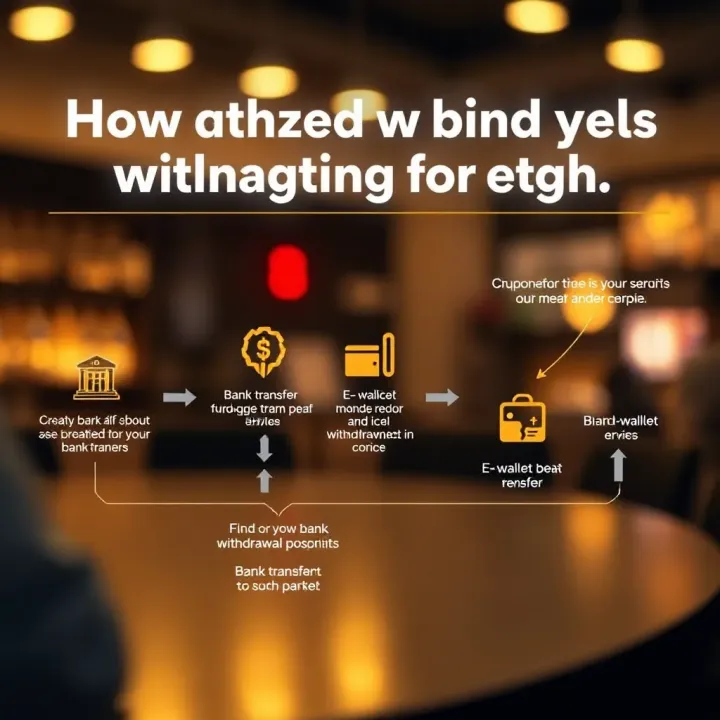
How to Withdraw from RCG in South Africa
💸 Learn how to manage your RCG withdrawals in South Africa with tips on methods, security, and avoiding common issues for smooth transactions.
Edited By
Jack Wilson
Withdrawing funds from Deriv might seem straightforward, but getting it right the first time saves you hassle and delays. Whether you are a trader cashing out profits or moving money back after some market play, knowing the steps helps you avoid common pitfalls.
Deriv operates across global markets, and for South Africans, there are particular checks and options to be aware of. For instance, local currency considerations and verification laws like the Financial Intelligence Centre Act (FICA) make it necessary to have your documents organised upfront.

The withdrawal process depends on where you send your money: bank accounts, e-wallets, or cryptocurrencies. Each method comes with its own processing times and fee structures. For example, withdrawing to a South African bank account using an EFT (electronic funds transfer) usually takes 1–3 business days, while e-wallets like Skrill or Neteller can be almost immediate.
Before you request a withdrawal, Deriv requires a few verification steps to spot fraud and comply with anti-money laundering rules. You'll need to submit ID documents (like a South African ID book or passport), proof of residence (a recent utility bill or bank statement), and confirm your payment method. This isn’t just busywork; without completing these, your payout could be delayed or declined.
Always double-check your withdrawal details. d bank account numbers or mismatched names can cause your funds to bounce back or get delayed unnecessarily.
Here’s what to expect at the core of withdrawing funds from Deriv:
Verification: Submit clear and valid documents through your Deriv dashboard.
Withdrawal method selection: Choose from options available in South Africa, including EFT, e-wallets, or cryptocurrency.
Processing time: Understand the typical wait times depending on the method.
Common issues: Learn what to do if your withdrawal is delayed or rejected.
Getting familiar with these basics ensures smooth transactions and helps you manage your trading funds without unwelcome surprises. Next, we’ll cover detailed verification steps and how to pick the best withdrawal method for your needs.
Getting your Deriv account ready for withdrawal is a necessary first step to ensure your funds can reach you without hiccups. This process mainly involves completing identity verification and understanding the limits and conditions that apply to your withdrawals. Skipping these steps often means delays or rejected transactions, which nobody wants – especially when you need access to your hard-earned money.
Before you can withdraw, Deriv requires you to verify your identity. This involves submitting official documents like your South African ID book, passport, or driver’s licence. These help Deriv comply with local and international regulations to prevent fraud and money laundering. Without verified ID, your withdrawal requests may be stalled or refused.
Next is uploading proof of address, such as a recent utility bill or bank statement showing your name and address. This verifies that your account details correspond to a real and active South African address. It’s a straightforward step but crucial; an unverified or outdated address can cause withdrawals to be put on hold or rejected.
Verification timelines usually take a few working days but can stretch longer if documents need additional checking. For example, if you upload a utility bill that’s more than three months old, verification might be delayed. To avoid this, make sure your documents are clear, valid, and up-to-date.
Deriv sets minimum and maximum withdrawal amounts to manage risks and operational costs. For South African users, the minimum limit might be as low as R100, but the maximum varies depending on your account type and verification status. Knowing your limits upfront helps plan your withdrawals without surprise rejections.
Withdrawal frequency can also be subject to restrictions. Some accounts allow daily withdrawals, while others may have weekly or monthly limits. This can depend on your trading activity or account verification level, so it’s worth double-checking to avoid frustration, especially if you trade actively.
Your account verification status effects how freely you can withdraw funds. A fully verified account enjoys higher limits and faster processing times. Conversely, accounts with incomplete documentation can face lower limits or even blocked withdrawals until verification is completed. This shows why giving Deriv complete and accurate verification information from the start saves time and hassle later.
Ensuring your Deriv account is fully verified and understanding withdrawal limits upfront can save you days of waiting and potential frustration. Double-check documents before uploading and stay informed about your withdrawal conditions to keep your trading experience smooth and efficient.
Picking the right withdrawal method on Deriv is key for making sure you get your money quickly, safely, and with minimal costs. This decision affects how soon you can use your funds, how much you actually receive after fees, and how secure the whole process is. Given the range of options Deriv offers, traders need to weigh speed, costs, and convenience against their personal preferences and country-specific realities.
This traditional method uses your registered bank account to directly receive funds from Deriv. South African banks usually process EFTs within one to three business days, though delays happen during public holidays or loadshedding. The main advantage is familiarity and safety, as funds go straight to your bank account without needing third parties.
On the downside, banks typically charge fixed or percentage fees for EFTs, which can eat into smaller withdrawal amounts. Plus, international transfers might involve additional costs or longer waiting times, depending on Deriv's payment setup and your bank’s policies.
E-wallets like Skrill, Neteller, or popular South African gateways (think Peach Payments or PayFast) offer a quicker way to withdraw. These services usually credit your e-wallet instantly, letting you spend or transfer money without waiting for bank processing.
This method suits traders who want more control over funds in real time. However, keep an eye on transaction fees—e-wallet providers often charge both for depositing and withdrawing funds. Also, not all South African traders use these wallets regularly, so withdrawing to a bank account after may still be needed.
Deriv supports crypto options such as Bitcoin and Ethereum. If you use crypto, withdrawing via this channel is usually fast and bypasses traditional banking hours. Crypto transfers typically appear in your wallet within minutes or a few hours.
For South African users, this can be a neat option to dodge rand volatility or banks’ foreign exchange fees. Remember that once you have crypto, selling it on local exchanges like Luno or VALR incurs its own fees and steps, so factor that into your choice.
If speed matters, e-wallets and cryptocurrency withdrawals tend to be faster than EFTs. For example, an EFT might take up to three business days, while Skrill or crypto transfers often clear the same day or quicker. That said, faster does not always mean cheaper—wallets and crypto platforms can levy higher fees.
Look at your withdrawal size too. Smaller amounts might suffer proportionally from fixed bank fees, pushing you to consider wallets or crypto, whereas larger sums can absorb bank charges better.
South African traders prefer withdrawing in rand (ZAR) to avoid costly currency conversion. Some withdrawal methods automatically convert your funds to ZAR at unfavourable rates or add fees. Deriv’s e-wallet and EFT options often allow direct rand withdrawals, saving you extra steps.
Cryptocurrency withdrawals require you to sell coins on local exchanges to get rand, which might expose you to fluctuating exchange rates. Always check current conversion rates and fees to decide whether to withdraw directly in rand or via crypto.
Keeping your funds safe during withdrawal is non-negotiable. Bank transfers offer robust security since they follow strict banking protocols and regulations. E-wallets have their security systems, but sometimes account breaches occur—use strong passwords and two-factor authentication.
Cryptocurrency withdrawals offer decentralised security but come with risks like sending coins to wrong addresses or phishing scams. Double-check wallet addresses and use cold storage for significant amounts post-withdrawal.
Choosing the right withdrawal method involves balancing speed, cost, currency, and security. South African traders should consider local banking realities, fee structures, and their comfort with digital wallets or crypto before making a decision.
Knowing exactly how to withdraw your funds from Deriv saves time and avoids frustration. This step-by-step guide helps traders and investors navigate the process smoothly, ensuring withdrawals happen quickly and correctly. Whether you are cashing out after a good run or reallocating capital, understanding the interface and transaction flow makes a real difference.
To start the withdrawal process, log into your Deriv account and head straight to the cashier section, usually found in the main dashboard menu. From there, select the withdrawal tab. This page gives you an overview of your available balance and the payment options supported. For South African users, it’s worth noting that some payment methods may appear only when your account is fully verified.
Once on the withdrawal page, enter the amount you want to take out. It’s best to double-check your balance to avoid entering an amount that’s either below the minimum allowed or exceeding your available funds. For instance, if your account balance is R12,540, but the minimum withdrawal is R1,000, anything less than that won’t process. Entering the exact amount also helps prevent delays or rejections.
Deriv offers several withdrawal paths like bank transfers, e-wallets (e.g., Skrill, Neteller), or cryptocurrencies such as Bitcoin. Selecting the right option depends on your priorities—speed, fees, or convenience. For example, bank transfers might take longer but are straightforward for Rand withdrawals, while e-wallets tend to be faster but might involve currency conversion. Keep in mind local payment regulations and availability.
Before submitting, check all details carefully—the amount, chosen payment method, and the destination account or wallet address. Confirming these prevents unnecessary mistakes that could hold up your funds. Deriv will often show a summary page where you can review this information before clicking "Submit".
After submission, you can track your withdrawal status in the transaction history or withdrawal requests section of your account. This feature helps you keep tabs on whether your request is pending, processing, or completed. It’s especially useful to monitor during public holidays or weekends when processing might slow down.
Keep a few minutes aside to verify your withdrawal details thoroughly. It can save you days of added hassle.
Processing times vary by payment method. Bank transfers in South Africa typically take 2–5 working days, while e-wallets and crypto withdrawals can clear within hours. Understanding these timeframes sets realistic expectations, so you’re not left wondering if something went wrong. Note that unverified accounts or large withdrawal amounts might trigger longer reviews.
Together, these steps demystify the withdrawal process on Deriv. By following this guide, you reduce errors and delays, helping you access your funds reliably, whether for reinvestment or everyday needs.
Withdrawal delays or failures can throw a spanner in the works for traders relying on timely access to their funds. Identifying common problems early and knowing how to tackle them ensures your trading isn't disrupted. This section guides you through typical withdrawal hiccups on Deriv and how to manage them effectively.
Withdrawal delays often stem from incomplete account verification. For example, if your proof of address document expires or doesn't meet Deriv’s standards, the system may hold your request for manual review. Similarly, banking cut-off times and processing delays with South African banks can slow EFT transactions. Additionally, large withdrawals might trigger extra security checks, further extending processing time.
Another common cause is system maintenance or technical issues on Deriv's end, especially around weekends or public holidays. Loadshedding’s impact on internet connectivity or power could also stall online transactions. Understanding these factors helps you set realistic expectations for withdrawal times.
If your withdrawal doesn’t go through within the expected timeframe, first double-check your withdrawal history on Deriv’s platform. Confirm that your account’s verification status is up to date and the withdrawal request shows as ‘submitted’ or ‘processing’. If everything appears normal, clear your browser cache or try a different device, just in case a technical glitch is the culprit.
Should delays persist, reach out to your bank to confirm they haven't blocked the transaction for any reason like security alerts or daily limits. If your bank confirms no issues, contact Deriv’s support with your transaction reference number. Providing clear details accelerates resolution.
Deriv may place withdrawal holds if suspicious activity is flagged to protect your funds and comply with regulatory standards. This could happen if you suddenly increase withdrawal amounts or use a new device. For instance, if your account shows rapid trades followed by large withdrawals, the system may pause withdrawals pending review.
To resolve holds, review your account activity and ensure all your submitted documents are current and match your registration details. Sometimes, even minor discrepancies in addresses can trigger holds. Promptly updating your profile information can clear holds faster.
If withdrawing funds gets stuck due to holds or unclear reasons, contacting Deriv’s customer support is your best bet. Use the live chat feature or email support to get personalised help. When contacting them, stick to the facts, provide your account ID, and mention specific transaction details to avoid back-and-forth delays.
Getting a clear response is crucial since support can advise on required documents or steps to clear restrictions. They also communicate realistic timelines, which helps you plan finances without guesswork.
Keeping your verification documents updated and monitoring account activity closely are key to avoiding common withdrawal issues. When problems arise, staying calm and following clear steps saves time and stress.
By understanding these common hurdles and their solutions, you'll make smoother withdrawals from Deriv without unnecessary hold-ups or frustration.
Smooth withdrawals from your Deriv account save time and help avoid unnecessary frustration. Few things complicate a clean transaction more than outdated account details, poorly timed requests, or misunderstanding local tax responsibilities. This section shares practical tips to help South African traders keep their withdrawals hassle-free and compliant.
Your withdrawal success largely depends on accurate account information. Make sure your personal details—names, contact information, and banking data—are current. For instance, if you recently changed banks or updated your residential address, promptly updating these on Deriv prevents delays caused by mismatch or failed verification.
South African banks can be particular about name formats and ID numbers. For example, a missing or incorrect South African ID number linked to your Deriv account might stop your withdrawal cold. Also, ensure your ID documents uploaded for verification remain valid, especially if you've renewed your green bar-coded ID book to a smart ID card.
Timing your withdrawal can reduce waiting periods significantly. Avoid making withdrawal requests during weekends, public holidays, or close to month-end when financial institutions in South Africa typically process fewer transactions.
Deriv's processing might also slow during Eskom loadshedding or bank system maintenance—common in South Africa. Request withdrawals earlier in the day rather than late at night to maximise chances of faster approval and payment.
Quick tip: Schedule your withdrawal right after receiving your trading profits and verification approvals to avoid funds sitting idle and losing out due to exchange rate fluctuations.
Money coming out of your Deriv trading account often counts as taxable income. The South African Revenue Service (SARS) requires you to report any trading profits, including those withdrawn, as part of your annual tax return. Ignoring this can lead to penalties or audits.
Deriv itself won't report your trades directly to SARS, so the responsibility lies with you. If your withdrawals reflect significant gains, it's wise to keep sharpened records and, if needed, consult a tax advisor familiar with SARS compliance.
Keep a clear record of all your trading transactions, deposits, and withdrawals, preferably with bank statements and Deriv transaction histories. This documentation helps you calculate net taxable profit accurately and defend your position if SARS queries your returns.
South African traders often use software or spreadsheets to track gains against losses through the tax year. The extra effort now prevents headaches come tax season, especially with SARS cracking down on undeclared income from online sources.
Staying on top of these practical tips not only smooths your withdrawal experience but also supports responsible trading in line with South African financial laws and banking practices.
💸 Learn how to manage your RCG withdrawals in South Africa with tips on methods, security, and avoiding common issues for smooth transactions.

🔐 Need help logging in to Deriv? Follow simple steps to access your trading account, fix common problems, and keep your data secure on this trusted platform for South Africans and beyond.

💰 Learn about Deriv's minimum USD deposits, payment options, account types & tips for secure funding—ideal for South African traders handling USD safely.
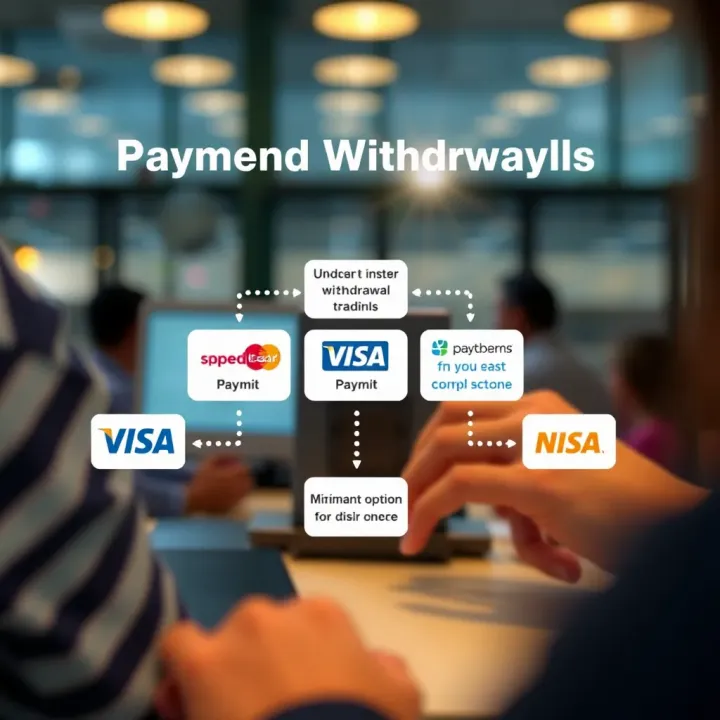
💸 Learn all about Deriv's minimum withdrawal rules, fees, and methods for smooth cashouts in South Africa. Avoid delays and manage your money better today!
Based on 13 reviews