

Top Wealthy Traders Worldwide and Their Secrets
Discover how the world's richest traders built their wealth through bold moves and savvy strategies 📈💰 Insights into their impact on global markets.
Edited By
Sophie Bennett
The global soft drink market is fiercely competitive, with Coca-Cola dominating for decades but facing robust challenges from several key players. For investors and financial analysts watching the sector, understanding these competitors provides insight into market dynamics, growth opportunities, and potential risks.
While Coca-Cola remains a giant, companies like PepsiCo, Keurig Dr Pepper, and Red Bull are not far behind. These brands don’t just compete on fizz and flavour; they battle for market share through diversified portfolios, innovative marketing, and regional strategies.
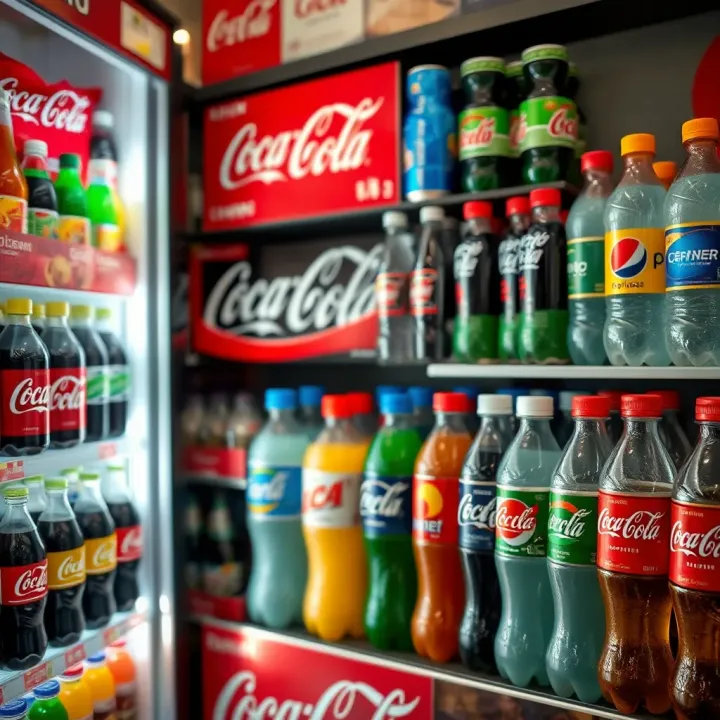
Take PepsiCo, for instance: its broad product range stretches beyond carbonated beverages to include snacks and healthier drink options. This diversification buffers it when consumers shift away from sugary sodas. Then there’s Keurig Dr Pepper, which commands a solid presence in North America with brands like Dr Pepper and is making strides in ready-to-drink tea and coffee.
Emerging local players and health-conscious startups also factor into the mix, responding quickly to changing preferences for low-sugar, natural, or functional drinks. This trend pressures giants like Coca-Cola to adapt or lose ground.
For traders and investors, tracking these shifts is vital—understanding who’s gaining traction in faster-growing segments or regions can reveal where value lies.
Key factors driving competition include:
Product innovation: From alternative sweeteners to new flavours and packaging formats.
Geographical reach: Dominance in particular regions often defines profitability.
Brand loyalty and marketing: Emotional connections can sustain sales even amid changing tastes.
In South Africa, brands like Clover and local bottlers also influence the soft drink market, adding layers to the competition landscape, especially in niche or regional segments. Understanding these layers helps form a complete picture of the global market’s complexity.
This section sets the stage for a closer look at Coca-Cola’s main rivals and the strategic moves shaping the industry's future.
When considering Coca-Cola's position in the soft drink market, it’s essential to understand the major global competitors shaping the industry. These companies not only contest market share but also influence product trends and consumer expectations worldwide. For investors and analysts, recognising these challengers helps forecast market shifts and evaluate Coca-Cola’s strategic responses.
Product Range Beyond Soft Drinks
PepsiCo’s strength lies in its broad portfolio that extends far beyond soft drinks. Apart from flagship sodas like Pepsi and Mountain Dew, the company owns major snack brands such as Lay's, Doritos, and Quaker Oats. This diversification cushions PepsiCo against fluctuations in beverage demand, creating a steady revenue flow. For example, during the recent shifts towards healthier eating, its snack and nutrition segments became key growth drivers, balancing any decline in sugary drink sales.
Global Reach and Brand Strength
PepsiCo maintains an immense global footprint, operating in over 200 countries. This extensive reach allows the company to tailor its product offerings to regional tastes and leverage economies of scale. In markets like India or Brazil, it combines global brands with locally popular products, solidifying its brand strength. For financiers, PepsiCo’s broad presence reduces dependence on any single market and signals robust resilience in volatile markets.
Niche Market Strategies
Dr Pepper Snapple Group (now part of Keurig Dr Pepper) targets niche segments often overlooked by larger competitors. Their product range includes unique flavours and speciality sodas, appealing to particular consumer tastes. This focus on niche markets offers less direct competition with Coca-Cola and PepsiCo, but it creates loyal customer bases. For example, Dr Pepper’s distinctive flavour holds strong appeal in the US South, ensuring steady regional sales despite a smaller global footprint.
Regional Focus and Key Brands
Unlike global giants, Dr Pepper Snapple Group concentrates its efforts primarily on North America. Their key brands, including 7UP, Schweppes, and Snapple, have regional recognition that complements their niche strategy. This targeted approach means they don’t stretch resources thinly over global markets but rather maximise impact locally. For investors, their regional strength presents stable returns with less exposure to international risks compared to Coca-Cola’s worldwide operations.
Understanding these major competitors offers a clearer picture of the competitive landscape. Each player's unique strategy—from PepsiCo’s diversified product range and international reach to Dr Pepper Snapple’s regional and niche focus—creates different challenges and opportunities for Coca-Cola in the global soft drink market.
PepsiCo’s vast and varied portfolio is a strategic advantage amid changing consumer trends.
The company’s global adaptability fortifies its market presence.
Dr Pepper Snapple Group’s niche focus allows it to maintain loyalty in specific regions without direct clash.
Its concentration on North American markets offers focused, stable growth potential.
Traders and financial analysts watching Coca-Cola closely should note these competitors’ moves to understand potential market disruptions and investment risks more fully.
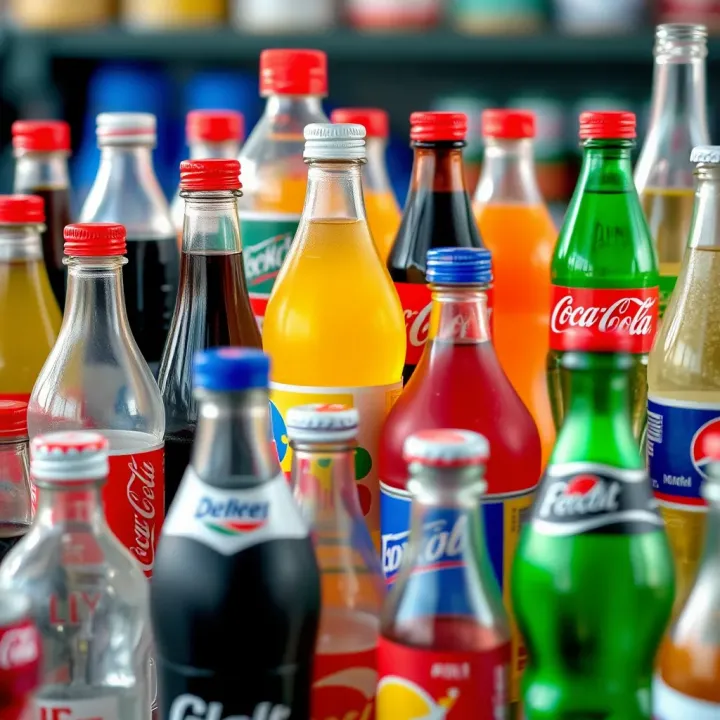
Regional and local beverage competitors play a significant role in shaping the soft drink market beyond the global giants. These players often command strong loyalty from local consumers who appreciate tailored tastes, cultural relevance, and regional availability. Their influence extends to adjusting market prices, innovating product lines, and creating unique marketing strategies that deeply resonate within specific communities. For investors and analysts, understanding these dynamics is key to gauging Coca-Cola’s competitive position in diverse markets.
In South Africa and across the African continent, domestic beverage brands enjoy deep-rooted recognition and loyalty. Brands like Twist and Coo-ee have been longstanding favourites in certain provinces and towns, often preferred over international names due to familiarity and price points suited to local incomes. Consumer loyalty is bolstered by national pride and the companies’ active roles in local communities, which often include sponsorship of cultural events and sports. This local attachment can create formidable barriers for multinational companies to gain or maintain market share, especially outside urban centres.
Local competitors not only stake claims in traditional carbonated soft drinks but increasingly push into the non-carbonated segment, responding savvy to evolving consumer tastes. For example, brands like Oros and Liqui-Fruit tap into fruit juice and squash markets, while others promote flavoured water and rooibos-based drinks, catering to health-conscious consumers. These products often boast competitive pricing and are favoured by consumers avoiding high sugar content associated with larger multinationals, adding to the complexity of the market environment.
In many global regional markets, emerging competitors focus sharply on healthier alternatives amid rising awareness about sugar intake and lifestyle diseases. Smaller brands, such as Rauch in Europe or Yeo’s in Asia, offer natural juice blends, herbal infusions or probiotic drinks that appeal to consumers shifting away from traditional sodas. These products often align well with local diets and consumer preferences, presenting targeted competition that challenges Coca-Cola's one-size-fits-all approach.
Emerging competitors rely on distinct tactics to penetrate regional markets. They often forge partnerships with local distributors and retailers to boost availability in rural or semi-urban areas where Coca-Cola’s presence might be weaker due to logistical challenges or costs. Additionally, they may adopt pricing strategies tailored to local economies or launch grassroots marketing campaigns that emphasise local culture and heritage. This targeted approach increases brand stickiness and threatens the dominance of international giants in pockets across the globe.
Understanding local and regional competitors is essential for investors looking to assess Coca-Cola’s performance and growth potential in a fragmented soft drink market. These players not only affect sales volumes but also drive innovation and consumer preferences that shape the industry's future.
In the fiercely competitive global soft drink market, product innovation and marketing strategies can greatly influence a brand’s success, especially when challenging a giant like Coca-Cola. Competitors continuously adapt to evolving consumer tastes and develop creative campaigns that resonate with target demographics. For investors and traders, understanding these dynamics reveals which companies are primed to capture market share and deliver growth.
The growing demand for healthier beverages is undeniable, reshaping product portfolios across the industry. Consumers—particularly in South Africa and other emerging markets—are becoming more mindful of sugar intake due to rising concerns over obesity and diabetes. Brands like PepsiCo have expanded their low-sugar and zero-calorie drink lines, such as Pepsi Max and Tropicana’s reduced-sugar juices, to meet this demand.
This shift forces competitors to innovate or risk losing relevance. Launching no-sugar and naturally sweetened alternatives is not just a matter of corporate responsibility but a practical necessity to retain consumers, especially younger buyers. In South Africa, where public health campaigns highlight sugar-related issues, this trend is particularly impactful on buying behaviour.
Beyond health, flavour experimentation offers a fresh way to attract customers. PepsiCo’s recent introduction of unique blends, like mango-infused sparkling water, reflects this trend. Local players too are tapping into indigenous fruit flavours that resonate well with regional palates, providing an edge against global players less attuned to local tastes.
Packaging also plays an important part. Competitors are adopting sustainable packaging to appeal to eco-conscious consumers, while innovative designs aim to grab attention on crowded retail shelves. For example, smaller, convenient formats suit busy, urban lifestyles common in South African cities, and reusable bottles tie into broader environmental concerns.
Younger consumers today crave authenticity and brands that mirror their values. Competitors are reshaping their marketing strategies to tap into Gen Z and millennial preferences, from tailored product launches to culturally relevant messaging. For instance, PepsiCo’s sponsorship of music festivals and influencer partnerships directly appeal to a youthful crowd that values experiences over mere products.
This focus on younger demographics is not just a trend but an investment into long-term loyalty. It ensures those brands stay ahead as older customers shift to other beverages or reduce consumption.
Digital media has transformed how competitors engage consumers, making platforms like Instagram, TikTok, and YouTube crucial for brand visibility. Dr Pepper Snapple Group, for example, leverages social media campaigns featuring relatable content and user-generated videos to deepen engagement.
Sponsorships in sports, entertainment, and even esports create memorable brand connections. These sponsorships often reach wide audiences at relatively low costs, giving challengers an effective way to grow their market share and chip away at Coca-Cola’s traditional dominance.
Product innovation combined with savvy, targeted marketing distinguishes successful competitors from the rest in the soft drink arena. For investors, keeping an eye on these trends offers insights into which companies can truly disrupt the market.
Competition in the global soft drink market directly shapes Coca-Cola’s approach to maintaining and expanding its market share. Facing stiff competition from brands like PepsiCo and rising local companies, Coca-Cola has to continually adapt its strategies to stay relevant. For traders and investors, understanding this dynamic helps gauge the company's potential growth and resilience amid shifting consumer tastes and market pressures.
Product Diversification
Coca-Cola has broadened its product mix far beyond traditional sodas to include bottled water, energy drinks, teas, and healthier options such as zero-sugar variants. This approach addresses consumers shifting away from sugary drinks towards more health-conscious choices. For instance, the success of brands like Bonaqua and Minute Maid juices reflects Coca-Cola's effort to capture varied tastes and dietary preferences across demographics.
By investing in a wider array of beverages, Coca-Cola reduces reliance on carbonated drinks, which face declining consumption in many markets. This diversification also opens opportunities in rapidly growing segments like kombucha or plant-based drinks, positioning Coca-Cola to compete where neighbours and startups are gaining ground.
Geographic Expansion and Local Partnerships
Coca-Cola continually pursues growth by entering new markets and strengthening local ties. Collaborations with regional bottlers and distributors enable tailored marketing that respects cultural preferences and pricing realities. For example, in African markets, partnering with local firms helps Coca-Cola navigate logistical challenges exacerbated by infrastructure gaps and loadshedding.
This strategy also supports regulatory navigation and quicker product adaptation to local demand. Such partnerships help Coca-Cola maintain relevance in diverse economic contexts and fend off local brands offering affordable alternatives, making geographic expansion a key pillar of its competitive defence.
Environmental Initiatives
Increasingly, sustainability efforts are not just ethical imperatives but commercial necessities. Coca-Cola has launched initiatives aimed at reducing its carbon footprint, cutting plastic use, and improving water stewardship globally. These efforts align with growing consumer and investor expectations, as well as tightening regulations in markets including South Africa.
For example, the company’s push for recyclable packaging and water replenishment projects in water-stressed regions showcases how environmental responsibility can be integrated with business strategy. Such initiatives improve brand perception and placate critics amid rising environmental concerns.
Community Engagement and Brand Image
Active involvement in local communities strengthens Coca-Cola’s brand beyond the product itself. Supporting youth programmes, education, and health campaigns builds goodwill and taps into the South African value of ubuntu — a shared humanity and responsibility.
This community engagement often translates into enhanced customer loyalty and smoother market operations. Investors see this as a stabilising factor since positive brand perception can sustain sales even in competitive or economically volatile times. Breadth in social responsibility underpins Coca-Cola’s long-term viability in diverse markets.
Coca-Cola’s adaptation to market challenges isn’t just about what it sells, but how and where it operates — turning competition pressure into sustainable growth opportunities.
In short, Coca-Cola’s ongoing responses to competition through diversification, expansion, and responsible practices shape its future prospects significantly. These strategies are crucial considerations for those analyzing the company’s position within the global soft drink industry.
Discover how the world's richest traders built their wealth through bold moves and savvy strategies 📈💰 Insights into their impact on global markets.

🔑 Discover how the Robotrader license key works within automated trading platforms, including activation, renewal, security tips, and troubleshooting support.

📊 Explore the outlook for Nasdaq with insights on economic factors, tech trends, and global events shaping its future. Stay informed, make smart investments.

📈 Explore what shapes Dogecoin's price with insights on market sentiment, social media buzz, and tech moves. Stay clued-up for smarter crypto choices in SA 🇿🇦.
Based on 13 reviews