
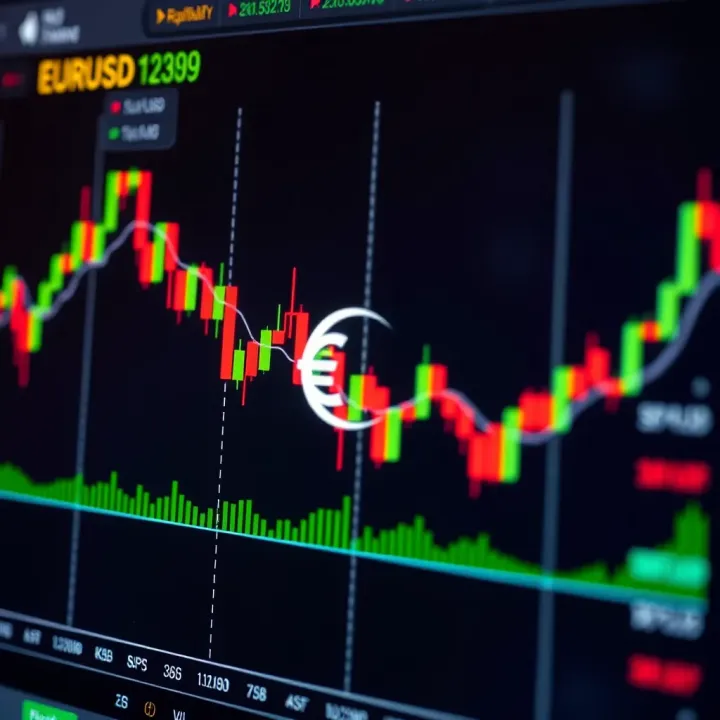
EURUSD Forecast Today: Key Drivers & Market Trends
📊 Stay ahead with today's EURUSD forecast including fresh economic data, geopolitical shifts and technical insights designed for South African traders navigating global markets.
Dogecoin, once started as a light-hearted meme coin, has carved out a surprising spot in the crypto world, making its price movements worthy of a sharper look. Unlike traditional assets, Dogecoin’s value doesn’t follow usual patterns; it’s heavily swayed by social media chatter, celebrity endorsements, and shifts in general market sentiment.
Understanding future price trends means breaking down its main influences. For South African traders and investors, this means more than just watching global markets — local factors like foreign exchange movements and sentiment around cryptocurrency regulations also come into play.

Here are key elements shaping Dogecoin’s price outlook:
Social media buzz: Tweets and posts by influential figures can spark swift price changes. Elon Musk’s comments on Twitter, for example, have historically sent Dogecoin’s price on wild swings.
Market sentiment: Bullish or bearish moods in the broader crypto market tend to reflect on Dogecoin, sometimes exacerbated by its speculative nature.
Technological updates: Though Dogecoin runs on the same basic code as Litecoin, any developments in its network speed, transaction capacity, or potential integration with new platforms can impact investors’ confidence.
Regulatory environment: In South Africa, the crypto space is closely watched by regulators like the FSCA (Financial Sector Conduct Authority). Positive or negative regulatory news can trigger rapid buying or selling.
Navigating Dogecoin’s price means balancing hype with hard facts — social media noise doesn’t always equal market value.
For South African investors, it’s also useful to consider how Rand fluctuations against the US dollar might affect Dogecoin’s local price. Since Dogecoin is traded mostly in USD, a weaker Rand can make it pricier to buy but profitable if timed well.
Dogecoin’s story is unlike the usual stocks or bonds. By keeping a keen eye on these influencing factors, you can better predict its moves and make smarter decisions in a market that’s often unpredictable but always interesting.
Understanding Dogecoin's background and its place within the cryptocurrency market is vital for making informed investment decisions. This section breaks down how Dogecoin came about, its initial purpose, and where it currently stands in the crypto rankings. Knowing these helps investors gauge its potential risks and rewards compared to other digital assets.
Dogecoin was launched in December 2013 by software engineers Billy Markus and Jackson Palmer. It started as a fun, light-hearted alternative to Bitcoin, inspired by the popular "Doge" meme featuring a Shiba Inu dog. Unlike Bitcoin's serious approach, Dogecoin embraced a cheeky, community-driven spirit that quickly attracted a broad audience. This informal beginning explains its early use largely for small online tips and donations.
Originally, Dogecoin was intended to be a friendly cryptocurrency for microtransactions, such as tipping content creators or supporting charitable causes without high fees. However, over time, its use shifted towards speculative trading and investment, especially after gaining attention through social media buzz and celebrity endorsements. In practice, Dogecoin now walks a line between being a pop culture phenomenon and a volatile investment asset, making its price movements often unpredictable.
Dogecoin consistently ranks among the top cryptocurrencies by market capitalisation, often securing a spot in the top 15. At times of heightened interest, such as during endorsements by Elon Musk or wider crypto rallies, its market value has surged significantly. For investors, this means Dogecoin enjoys enough liquidity to facilitate buying and selling without huge price slippage, but it remains subject to rapid swings linked to market sentiment.
Unlike Bitcoin, which was designed as a scarce digital currency with a capped supply, Dogecoin has an unlimited supply with millions of new coins minted every year. This fundamental difference impacts its price dynamics, making it less suitable as a long-term store of value. While Ethereum focuses on enabling decentralised applications and smart contracts, Dogecoin lacks these features, positioning it more as a transactional or speculative token. Investors should therefore approach Dogecoin understanding its distinct role and inherent limitations compared to major coins.
Recognising Dogecoin's origins and its evolving market role sheds light on why its price behaves the way it does, helping traders and investors in South Africa decide how to include this crypto in their portfolios.
Creation: Started as a meme-based crypto for fun and tipping
Today: Primarily speculative asset influenced by social and market trends
Market rank: Consistently among top cryptos, offering liquidity
Supply and use: Unlimited coins; less focused on long-term value than Bitcoin
This overview provides a solid foundation for analysing Dogecoin's price trends and risks in the following sections.
Dogecoin's price doesn’t move in isolation. Various factors interact to push its value up or down, making it vital for investors and traders to understand these drivers. Knowing what influences price movements helps anticipate shifts better and make sound decisions, especially in the volatile crypto scene.
Memes and community engagement hold a special place in Dogecoin’s price action. Unlike traditional assets, Dogecoin’s origins as a meme coin mean it thrives on the buzz created by its community on platforms like Twitter, Reddit, and TikTok. When users create viral memes or share trending posts praising Dogecoin, it sparks waves of interest that can lead to rapid price spikes. The Dogecoin subreddit, for example, has often seen coordinated efforts to promote the coin, driving small investors to jump on board. This grassroots approach can cause sudden surges or quick drops, reflecting the community’s mood more than fundamentals.
Effect of endorsements from public figures adds another layer to these social dynamics. When influential people like Elon Musk tweet about Dogecoin or mention it during interviews, the resulting media attention and hype can cause instant price movements. Such endorsements often signal confidence or bring fresh eyes to the coin, stirring measured excitement from fans and speculators alike. However, these effects can be short-lived, requiring caution as prices may correct once the initial buzz settles. Still, traders watch celebrity impact closely since these moments can present profitable entry or exit opportunities.
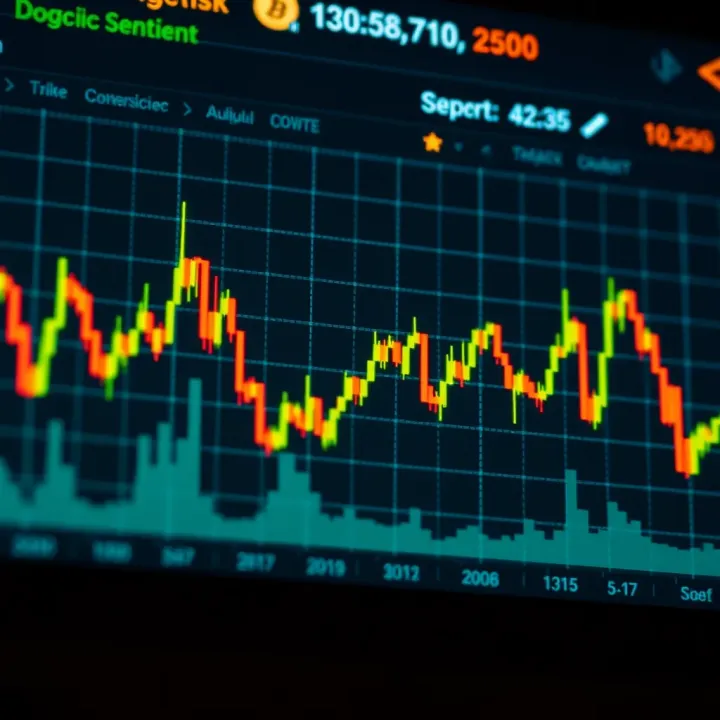
Speculative trading patterns strongly shape Dogecoin’s price swings. Many investors buy it not for long-term hold but hoping for quick gains, turning the coin into a popular option for day trading and short-term speculation. This behaviour results in high volatility, with sharp price moves triggered by shifting sentiments or rumours. Volume spikes during speculative runs show the coin’s susceptibility to hype cycles, making it a constant rollercoaster for holders. Understanding these patterns helps investors avoid chasing pumps and recognise when the market might be overheating.
Impact of global economic conditions is less direct but still meaningful. Factors like inflation rates, interest hikes, and geopolitical uncertainties influence broader risk appetite, affecting how people invest in riskier assets like Dogecoin. For instance, during a period of global market instability, investors may pull back from crypto due to cash flow needs or a shift towards safer investments. Equally, stimulus measures or loose monetary policy can lead to more liquidity chasing alternative assets, including digital coins. South African investors should keep an eye on these global signals since currency fluctuations or economic policies at home also affect disposable income devoted to crypto.
Blockchain improvements impact Dogecoin’s price by enhancing security, transaction speed, or scalability. Unlike some cryptocurrencies that roll out regular upgrades, Dogecoin’s development has historically been slower, but ongoing discussions about potential technological enhancements can revive investor interest. For example, talk of integrating features like Proof-of-Stake or increasing transaction throughput invites speculation on the coin’s future usability beyond a joke or tipping currency. If such improvements materialise, they may broaden adoption and support more stable price growth.
Partnerships and integrations serve as practical indicators of Dogecoin’s evolving utility. Collaborations with merchants, payment platforms, or tech companies raise the coin’s profile and usefulness, potentially driving demand upward. For example, if a popular South African online retailer begins accepting Dogecoin payments, it could spur trading volume locally and boost price sentiment. Investors watch these developments, as they mark progress from a speculative asset to one with real-world applications.
Understanding what drives Dogecoin’s price helps investors separate hype from substance, making informed choices grounded in both market mood and practical developments.
This grasp on social, economic, and technological factors arms traders and investors in South Africa with the insight needed to navigate Dogecoin’s often unpredictable market.
Predicting the future price of Dogecoin is more than just number crunching. It requires a blend of analytical methods and an understanding of inherent limits – especially when you consider its meme origin and how quickly market moods shift. For traders and investors, knowing the common prediction methods and the challenges they face is a must to make smarter decisions.
Technical analysis involves studying historical price charts and trading volumes to forecast short-term price movements. Traders look out for patterns like head and shoulders, moving averages, and relative strength index (RSI) to gauge potential shifts. For example, when Dogecoin shows an RSI above 70, it might indicate the coin is overbought and due for a pullback.
Though technical analysis works across many assets, Dogecoin’s price often reacts strongly to market hype and social media buzz – which don't always show up in charts. Still, it provides a practical baseline for entry and exit points, especially when combined with other tools.
Fundamental analysis digs into deeper factors that affect Dogecoin's value, like network activity, adoption rate, and technological updates. Unlike Bitcoin, Dogecoin has no capped supply, which some investors worry about regarding long-term scarcity. Yet, its active community and uses — such as micro-tipping and charity fundraising — form part of its appeal.
Assessing partnerships, blockchain upgrades, or shifts in regulatory attitudes can give a glimpse into Dogecoin’s potential. For instance, if Dogecoin integrates with major payment platforms, it could encourage wider use, influencing price positively. This method helps investors weigh Dogecoin’s intrinsic value beyond mere price swings.
Dogecoin’s price swings wildly, often shifting by double-digit percentages in single sessions. This volatility makes precise predictions challenging, as market sentiment can change on a dime. Unlike traditional stocks, crypto markets operate 24/7, adding to unpredictability.
Due to this volatility, even the best models can quickly become outdated. For South African investors, this means staying alert is key – relying on prediction models without risk management is risky business.
Unexpected developments, such as tweets from influential figures, regulatory announcements, or global economic shocks, can instantly impact Dogecoin’s price. Take Elon Musk’s tweets in the past — they have caused sudden price rallies or dips, defying most technical analyses.
This unpredictability means events beyond charts must be factored into any price prediction strategy. For example, during Eskom load shedding or major political unrest in South Africa, crypto trading volumes and behaviours may shift, indirectly affecting Dogecoin’s local demand.
While forecasting tools provide helpful guidance, the volatile, news-driven nature of Dogecoin calls for cautious optimism and a readiness to adapt quickly to new information.
Understanding how prediction methods work — and their limits — positions you better to navigate Dogecoin’s ups and downs with some degree of confidence and control.
Expert views play a vital role in understanding Dogecoin’s price movements, especially given the cryptocurrency’s notorious volatility. Analysts and market commentators bring valuable perspectives that combine data-driven analysis with a feel for market sentiment—a balance that raw numbers alone may miss. While no prediction can guarantee accuracy, expert forecasts help traders and investors gauge possible scenarios, set realistic expectations, and adjust their strategies accordingly.
Experts often factor in technical indicators alongside broader macroeconomic trends and social drivers, which gives their insights practical weight. For example, a well-timed endorsement by someone like Elon Musk historically triggered sharp price spikes, something technical charts might not foresee on their own. Paying attention to such nuanced observations can make a meaningful difference for anyone speculating on Dogecoin’s short- or long-term prospects.
In the short term, many experts expect Dogecoin’s price to fluctuate significantly, driven largely by external events and market hype cycles. Seasonal factors like increased retail interest during festive seasons or major sporting events often lift cryptocurrencies briefly. For instance, spikes in Dogecoin demand were noticed around the 2021 Super Bowl, demonstrating how cultural moments feed investor enthusiasm.
Price forecasts for the next few months often consider ongoing developments in the crypto market alongside technical signals like moving averages and relative strength index (RSI) metrics. Traders watching these can prepare for potential surges or dips, helping them time entries or exits better. However, predictions remain tentative given Dogecoin’s history of sharp, often unpredictable ups and downs.
Several triggers could impact Dogecoin’s short-term price: significant tweets from influential figures, updates on blockchain improvements, or shifts in broader market sentiment—such as reactions to changes in interest rates or inflation data. South African investors should keep an eye on global market developments since they often ripple through local exchanges and influence liquidity.
Also, sudden regulatory announcements or policies related to cryptocurrencies can cause abrupt price moves. For example, major economies signalling stricter crypto rules usually spook markets, whereas clear guidelines can boost confidence. Staying informed about such shifts is crucial for anyone holding or trading Dogecoin.
Expert opinions vary on Dogecoin’s long-term adoption prospects, but many agree that wider practical use would support lasting price stability. Mainstream acceptance as a payment method—say by online retailers or service providers—could anchor its value beyond speculative interest. For instance, some South African e-commerce platforms considering crypto payments might include Dogecoin if demand grows.
Still, its meme origins mean Dogecoin faces hurdles becoming a serious currency. Experts often point out that sustained improvements in transaction speed, fees, and network security are necessary for broader utility. Until then, Dogecoin's main appeal could remain speculative, despite growing adoption attempts.
Within the constantly changing cryptocurrency ecosystem, Dogecoin’s role seems more niche compared to Bitcoin or Ethereum, yet it holds value as a community-driven token with a loyal following. Some experts predict it will stay a popular "entry-level" coin for newcomers, helped by low transaction costs and widespread recognition.
Moreover, Dogecoin could evolve alongside novel blockchain technologies or integrate with decentralised finance (DeFi) platforms, enhancing its relevance. South African investors, aware of DeFi’s gradual rise locally, might see potential in how Dogecoin fits into this broader landscape. Such developments might gradually shift its price dynamics from purely speculative to more utility-based drivers.
Expert forecasts do not promise outcomes but provide a compass—guiding investors through the noisy, often turbulent waters of Dogecoin trading. Keeping an eye on these insights alongside market signals strengthens any well-rounded investment approach.
Navigating the world of Dogecoin as a South African investor requires a grounded approach that balances opportunity with risk. This section offers clear-cut advice to help you make informed decisions amid Dogecoin’s often turbulent price swings and emerging market challenges.
Dogecoin is known for its sharp price fluctuations, which can have a significant impact on your investment portfolio. Unlike traditional assets like bonds or blue-chip shares, Dogecoin’s value can swing by double digits within a day. For example, during past hype cycles, prices have risen rapidly on social media buzz and then dropped just as fast once the excitement faded. This means that allocating a large part of your portfolio to Dogecoin can expose you to sudden, possibly severe losses. In practice, this requires investors to accept higher risk tolerance while maintaining vigilance over market movements.
Spreading your investments across different asset classes is vital when dealing with volatile assets like Dogecoin. Don’t put all your eggs in one basket. A diversified portfolio might combine traditional stocks, bonds, property investments, and a small crypto allocation. This mix helps to offset potential losses in Dogecoin with stability from more reliable investments. Take the case of an investor who allocates no more than 5% of their portfolio to Dogecoin, balancing it with ETFs listed on the JSE and a fixed deposit. This approach tempers exposure risk while still gaining from crypto’s growth potential.
South African investors can buy and sell Dogecoin on various local cryptocurrency exchanges such as Luno, VALR, and AltCoinTrader. These platforms operate under South African regulatory frameworks and must comply with measures such as the Financial Intelligence Centre Act (FICA) requirements, which include identity verification to curb fraud and money laundering. Using local exchanges simplifies trading by allowing transactions in Rand and often includes local support. However, it’s key to stay updated on regulations as government policies towards cryptocurrencies can evolve, influencing access and trading conditions.
Safety matters when dealing with crypto in South Africa, especially with scams targeting newcomers. Always enable two-factor authentication (2FA) on your exchange accounts to add an extra layer of security. Avoid sharing your private keys or passwords with anyone, and steer clear of questionable investment schemes promising guaranteed high returns on Dogecoin. A practical tip is to withdraw significant holdings from exchanges to a secure wallet—hardware wallets like Ledger or Trezor are well regarded—to minimise risk of hacks. Also, be cautious when using public Wi-Fi for transactions to prevent interception by cybercriminals.
Safety and caution should be your watchwords when investing in Dogecoin through South African platforms. Staying informed on regulations and using trusted exchanges can save you from costly mistakes.
By following these practical guidelines, South African investors can better navigate the ups and downs of Dogecoin and add a measure of control to an otherwise unpredictable market environment.
📊 Stay ahead with today's EURUSD forecast including fresh economic data, geopolitical shifts and technical insights designed for South African traders navigating global markets.

Explore SOL price trends 📈 and market shifts 🔍 influencing Solana's future. Delve into risks, growth chances, and tech impacts affecting SOL value ⚙️.
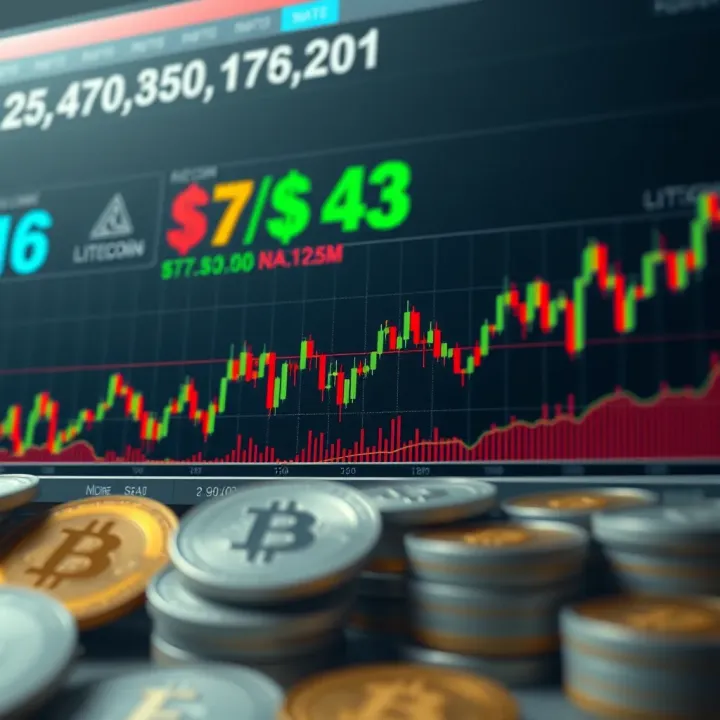
📊 Get a clear view of LTC price trends with expert analysis and local insights. Understand risks and forecasts to guide your crypto moves confidently in SA.
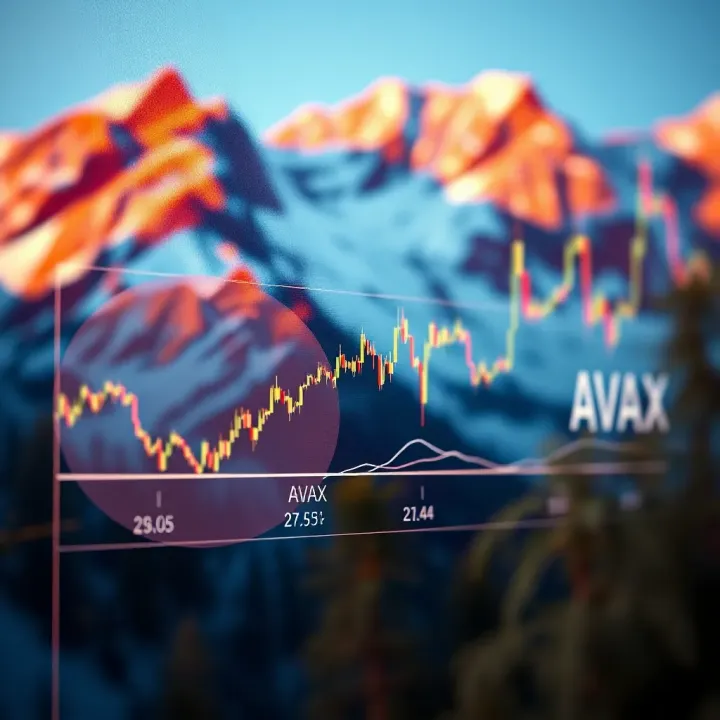
🔮 Explore Avalanche (AVAX) price trends and expert views to understand its tech, competition, use cases, and market risks shaping crypto's future in South Africa.
Based on 12 reviews