
Understanding Margin in Forex Trading
Learn how margin in forex trading affects your capital and risk in South Africa 🇿🇦. Get practical tips on margin calls, trading smart, and protecting your R.
Edited By
Emily Harding
Trading on the foreign exchange (FX) market involves managing risk, especially when using margin. A margin call happens when your account falls below the broker’s required margin, forcing you to add funds or face closed positions. In South Africa, where forex trading is gaining popularity among professional traders, understanding margin calls is crucial to protecting capital.
FX margin calls occur because trading with leverage means you borrow money from your broker to open positions larger than your actual account balance. This amplifies both potential profits and losses. When your losses eat into your account equity and drop below the maintenance margin—a safety threshold—the broker issues a margin call.
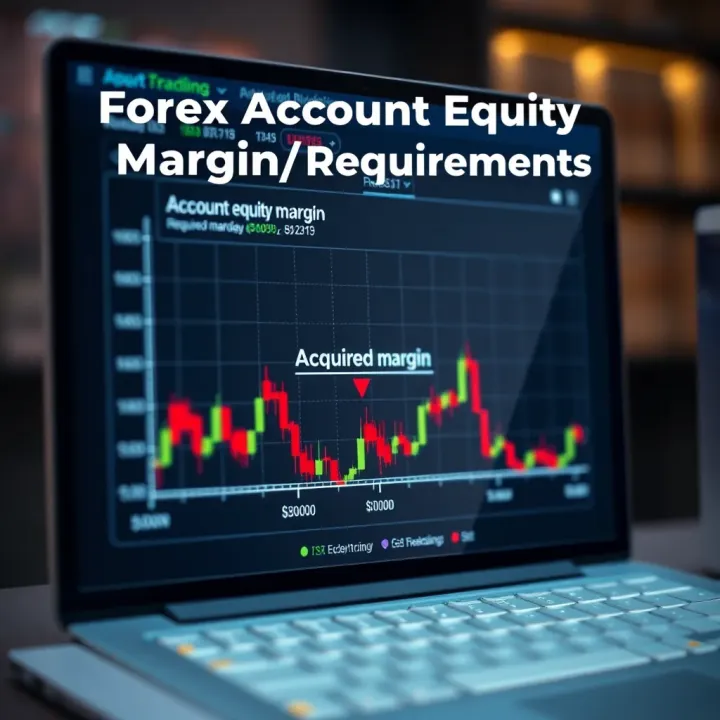
A margin call is essentially a warning: either top up your account to meet margin requirements or risk forced closure of your trades.
Ignoring margin calls can lead to automatic liquidation of positions without your consent, often at unfavourable prices. This can wipe out your gains and leave your account in the red. South African traders should remember that volatile market events and sudden rand fluctuations might worsen margin call risks.
High leverage: Using very high leverage (like 1:100 or more) increases your vulnerability.
Market volatility: Unexpected economic news or major events can cause sharp price swings against your open positions.
Exchange rate shifts: As the rand moves, this affects margin levels, especially if trading USD/ZAR pairs.
Maintain a buffer: Keep extra funds in your account beyond the required margin.
Use stop-loss orders: These can limit losses before they hit margin call levels.
Monitor your positions closely: South African traders should check broker platforms regularly, especially when Eskom’s loadshedding disrupts internet or power.
Lower leverage: Trade with a sensible leverage ratio suited to your risk tolerance.
In short, margin calls signal that your current risk is too high relative to your account funds. Awareness and timely action can help you manage risks effectively in South Africa’s dynamic FX market.
Understanding what an FX margin call entails is fundamental for anyone involved in forex trading. Simply put, a margin call happens when your trading account's equity falls below the broker’s required margin level. This situation signals that you either need to deposit more funds or your broker may close out positions to prevent further losses. Grasping this helps you avoid sudden surprises that could destabilise your trading plans.
A margin call is essentially a warning issued by your broker when the losses on your leveraged trades eat into your available margin. Leverage in forex means you are trading with borrowed funds, which boosts your buying power but also your risk. For instance, if you've opened a position worth R100,000 with just R1,000 of your own money, the rest is borrowed. Should the market move against you and your account equity dips too low—say below the broker’s minimum margin—the broker issues a margin call to protect themselves.
Think of margin calls as a safety net, stopping losses from spiralling out of control but they can also force you to close positions prematurely.
Margin acts like a security deposit against your trades. It enables you to control larger positions with a comparatively small amount of money. For example, if your broker requires a 1% margin, you can control R100,000 with just R1,000. This can multiply both profits and losses, which makes managing margin critical. South African traders should always consider the leverage ratio carefully—high leverage might seem attractive, but it also makes margin calls more likely, especially in volatile markets like the rand.
Brokers continuously track your account’s equity and compare it to the margin required for your open positions. They use two key thresholds: the margin level and the stop-out level. The margin level is a percentage indicating how much equity you have relative to your used margin. When this level drops below a certain point, usually set by the broker, a margin call triggers. If the margin level falls further to the stop-out level, the broker starts closing positions automatically to prevent your account from going into a negative balance.
For example, a broker might require a margin level of at least 50%. If your equity falls so that it only covers 40% of your margin, you’ll get a margin call. Letting it slip to 20% might mean your positions start closing without your consent.
Keeping a firm grip on these concepts will empower you to manage your trades better and avoid unwelcome margin calls that disrupt your trading strategy.

Understanding what sparks an FX margin call is key to protecting your trading account. Certain triggers push a trader’s equity below the broker’s required margin, setting off a margin call. Knowing these common causes can help you steer clear of costly surprises.
Sudden shifts in currency prices can drain your margin fast. Forex markets can swing violently during economic announcements or geopolitical news. For example, if the South African rand suddenly weakens against the US dollar after an unexpected SARB interest rate decision, traders holding leveraged rand positions may quickly fall below margin requirements. It’s like driving on a slippery road; even a small skid can make you lose control. Being aware of such volatile periods allows you to adjust or reduce positions ahead of time, limiting risk.
Using high leverage is tempting because it amplifies profits, but it also boosts losses and margin use. Imagine placing a bet with R10,000 but controlling R1,000,000 through leverage – a 100:1 ratio. A mere 1% adverse price movement wipes out your entire capital and triggers a margin call. Many new traders fall into this trap by over-leveraging without a proper cushion. It’s wise to keep leverage conservative, ensuring your account can absorb reasonable market swings without pushing you into the red.
Sometimes, events occur without warning, shaking up the currency markets. Political unrest in a neighbouring country or a sudden change in trade policies can tank the rand’s value. For example, a surprise embargo announcement or a sharp hike in fuel prices can trigger fast-moving declines in currency pairs. These unforeseen shocks leave little room to react, putting your margin at risk. Keeping an ear on global and local news, plus sensible risk controls, helps traders avoid getting caught out.
Margin calls often come when your margin buffer is stretched too thin by price swings, leverage, or shocks. The key lies in recognising these triggers early and managing exposure accordingly.
In essence, market volatility, heavy leverage, and sudden disruptions form the top triggers that bring about margin calls. Being cautious with leverage, staying alert to price action, and following economic news can prevent your account from hitting a margin call. In the next sections, we'll look at the risks involved and practical ways to sidestep margin call trouble altogether.
Margin calls carry several risks that every forex trader must understand to protect their investments and maintain healthy trading accounts. Knowing these pitfalls can help you avoid unnecessary losses and safeguard your trading strategy.
When a margin call happens, it usually means your account equity has dipped dangerously low compared to your used margin. If you can’t top up your account promptly, your broker may start liquidating your positions to recover funds. This often results in realising losses that can sometimes exceed your initial deposit. For example, during unexpected rand volatility, traders with leveraged positions might see their accounts wiped out quicker than they anticipated. This risk is particularly high if you’re relying heavily on borrowed funds rather than your own.
One of the most disruptive risks of margin calls is forced position closures. When brokers close your trades to protect themselves, this can happen at unfavourable prices, ruining carefully planned strategies. Imagine you were holding a position expecting a slow build-up in the GBP/ZAR exchange rate, but a sudden margin call forces your broker to close it prematurely. Not only does this eat into your capital, but it also scrambles your entire trading plan, pushing you off your intended path.
Margin calls may bring about extra costs beyond just the losses on positions. Brokers can charge administration fees for margin call notifications or penalties for failing to meet margin requirements on time. Continuous margin calls can also eat into your account through increased rollover fees or overnight financing if trades remain open for longer than planned. Over time, these additional expenses can erode your trading capital, making it tougher to recover.
Keep this in mind: Margin calls are more than just warnings; they can trigger a cascade of financial consequences that affect your balance, strategy, and profitability.
Being aware of these risks helps traders make informed decisions about their trading limits, leverage, and risk management techniques. Sticking to realistic leverage and closely monitoring your account can reduce the chance of margin calls disrupting your trading career.
Managing FX margin calls starts with understanding how to keep your trading account healthy to avoid unexpected demands from your broker. Simply put, this means being cautious with your risk and keeping an eye on your trades constantly. Effective management helps safeguard your capital and keeps your strategy intact without sudden disruptions caused by margin calls.
Leverage lets you control bigger positions than your actual capital would allow, but it’s a double-edged sword. Setting leverage too high can quickly drain your account during market swings, especially with volatile pairs like ZAR/USD. For example, using 1:100 leverage might seem attractive for bigger profits, but even a small adverse move will wipe out your margin. Limit yourself to reasonable leverage, such as 1:10 or 1:20, to give your trades some breathing room and reduce the risk of margin calls.
A stop-loss order is your safety net—it automatically closes a position at a set price to prevent bigger losses. Many traders skip this, only to face heavy losses once the market moves against them. Setting stop-losses based on technical analysis or key support and resistance levels can protect your equity. For instance, if you’re trading EUR/ZAR and spot a support level at R18.50, placing a stop just below this can help avoid a big hit during sudden drops. Using stop-losses means you're managing risk actively rather than hoping the market will come back your way.
Forex markets are never static. Fluctuations happen all the time, influenced by economic data, geopolitical news, or even unexpected events like strikes affecting the rand. Regularly monitoring your positions means you can adjust stop-losses or close trades before margin levels get critical. For example, during Eskom loadshedding crises, currency moves can be sharp and unpredictable, so staying updated helps you react quickly to protect your account.
Your account equity is the total value of your funds including floating profits or losses. Keeping sufficient equity above your required margin means you won't get caught off guard by margin calls. This could mean adding funds to your account during downturns or scaling down your exposure. For example, if your brokerage requires 5% margin, maintaining an equity buffer of at least 10% prevents automatic liquidations when a position turns sour. It pays to be proactive with capital injections rather than waiting for a broker to step in.
Regular attention to leverage, stop-losses, position monitoring, and account equity forms a practical defence against margin calls. Neglecting any of these elements can lead to unnecessary stress and financial setbacks.
By applying these straightforward steps, traders can stay more in control of their forex positions and avoid the pitfalls that come with margin calls, especially in the context of volatile currencies like the rand.
South African traders face a unique set of challenges and opportunities in the forex market, shaped by local regulations, the volatility of the rand, and the varied landscape of brokers and trading platforms. It’s vital to understand these factors clearly, as they directly affect how margin calls play out and how you can manage your risks effectively. This section looks at what you need to keep in mind when trading forex from within South Africa.
Regulation in South Africa mainly comes from the Financial Sector Conduct Authority (FSCA), which oversees brokers operating within the country. South African brokers must adhere to the FSCA’s rules designed to protect traders, such as limits on leverage and strict client fund segregation. For example, brokers are generally capped at offering a maximum leverage of 1:100 for retail clients. This limit reduces the risk of sudden margin calls caused by extreme leverage.
Be aware that many South African traders also use international brokers outside FSCA regulation. While these brokers often offer higher leverage or access to more currency pairs, they come with increased risks. It’s wise to confirm if your broker complies with local regulation or has reputable international licences, like from the FCA (UK) or ASIC (Australia). Also, pay attention to how brokers handle margin calls and position liquidations—some might close trades faster or require top-ups sooner than others.
The South African rand (ZAR) is notably volatile compared to major currencies such as the USD, EUR, or GBP. Factors like political developments, Eskom load shedding, and fluctuating commodity prices regularly sway the rand’s value. This volatility means South African traders must remain especially vigilant about margin levels and potential margin calls.
For instance, a sudden slump in the rand during a political crisis can quickly erode your account equity if you’re heavily exposed to ZAR pairs. Traders should therefore keep a close eye on SA economic announcements and global events affecting commodity prices like gold and platinum, as these correlate with the rand. Also, be mindful of local market hours since liquidity and spreads can widen, affecting your trades during off-peak times.
Selecting a broker and platform that align with your trading style and local needs is crucial. South African traders benefit from brokers that offer transparent fees, clear margin call policies, and good customer support, preferably with a local presence or at least a Helpline active in SAST (South Africa Standard Time).
Platforms like MetaTrader 4 and 5 remain popular among South African traders for their reliability and range of tools. Meanwhile, local brokers such as IG South Africa, or international firms with strong local reputations, provide tailored interfaces helping traders manage margin and leverage within South African regulatory limits.
Consider the ease of funding and withdrawing Rand via EFT or SnapScan, which many local brokers support. Having a straightforward, low-cost way to top up your account can be critical when managing margin calls effectively.
Managing margin calls in South Africa means understanding not just forex mechanics but the local regulatory and economic backdrop. Keeping these considerations top of mind can make a real difference in controlling risk and trading confidently.
Learn how margin in forex trading affects your capital and risk in South Africa 🇿🇦. Get practical tips on margin calls, trading smart, and protecting your R.
📉 Understand forex trading deviation: its impact on pricing, risk management, and strategies—essential reading for South African investors navigating the market confidently.
Explore synthetics trading in South Africa 🇿🇦 – learn how synthetic assets work, benefits, risks, platforms, regulation, and practical tips for traders.

🌍 Learn the essentials of FX trading for South African investors—from market basics and strategies to risks and regulations. Start trading smarter today! 💰
Based on 15 reviews