

Forex Trading Basics for South African Beginners
📊 Ready to start forex trading in South Africa? Learn market basics, key strategies, risk management, and local regulations to trade smartly and confidently today! 🇿🇦
Edited By
Jack Wilson
Forex demo accounts give traders a way to practise currency trading without risking real money. For South African traders, this can be especially useful given the complexities of the forex market and local factors like Rand volatility and exchange controls.
A demo account simulates live trading conditions using virtual funds. This means you can place trades, watch market movements, and test strategies exactly as you would with real money, but any gains or losses remain on paper. Think of it as a flight simulator for forex trading — you get to know the cockpit without leaving the ground.

Using a demo account helps you in several ways:
Build confidence: Familiarise yourself with factors like leverage, margin calls, and key forex pairs involving the Rand (ZAR).
Understand trading platforms: Whether you prefer MetaTrader 4, MetaTrader 5, or cTrader, the demo lets you get comfortable with order types, charting tools, and indicators.
Test trading strategies: Practice day trading, swing trading, or scalping without financial risk.
Learn market behaviour: See how global events affect currencies in real time; for instance, how SARB (South African Reserve Bank) interest rate decisions impact ZAR pairs.
Many traders jump straight into real trading and end up burnt because they didn’t spend enough time on a demo account. It gives you a safe environment to learn at your own pace.
Most reputable South African brokers offer free demo accounts with no time limits. Signing up usually just requires your email, and you start off with virtual capital — typically between R10,000 and R1 million, depending on the broker. You can reset your balance if you blow the account, which lets you keep practising without waiting.
In sum, a forex demo account is an essential tool. It lets you sharpen your trading skills, understand risks, and get a feel for local and global market dynamics before you put your own Rand on the line. That way, when you’re ready to trade for real, you’re prepared — not shocked by sudden moves or technical quirks.
A forex demo account is essentially a practice ground for traders to experience the foreign exchange market without risking actual money. It mirrors live trading but uses virtual funds, letting you grasp how currency pairs move and how orders are executed. In South Africa, where many traders begin by tinkering with demo accounts, this tool is invaluable for building understanding before stepping into real Rand trading.
A forex demo account simulates real market conditions but runs on a system that uses imaginary money. This means you can place trades, observe price changes, and try different strategies just as you would with a live account, but without risking your savings. For instance, a South African novice trader might use a demo account to watch how the USD/ZAR pair fluctuates, learning to read price charts in a risk-free setup.
However, demo accounts aren't an exact copy of live trading. While the experience is similar, the emotional impact of risking actual money is missing. This often causes traders to be less cautious in a demo. Plus, some demo platforms might not fully replicate real market conditions like sudden slippage during high volatility or execution delays caused by network lags—factors critical in live trading, especially during periods of loadshedding-induced internet instability.
When you open a demo account, brokers load it with a set amount of virtual currency—typically $10,000 or an equivalent. This lets you buy and sell currency pairs without financial risk. For example, you could test a strategy on EUR/ZAR with this credited balance and see how it would perform. Importantly, these funds can usually be reset, so you can start fresh if you burn through your hypothetical capital.
Most demo accounts draw on live market data, streaming real-time price movements. This ensures you're reacting to actual market shifts, not outdated or synthetic numbers. Nevertheless, execution speed and order fills might be smoother in demos than in real accounts, since no real money changes hands and brokers don’t face the same pressures. This subtle difference can lead to overly optimistic results, so it's wise to keep this in mind during practice.
Demo accounts usually grant access to the same platforms as live accounts. Popular choices include MetaTrader 4 and 5, known locally as MT4 and MT5, as well as cTrader and broker-specific platforms. These platforms come with charting tools, indicators, and order types identical to live accounts, allowing South African traders to develop familiarity. The fact that they’re accessible on mobiles and desktops provides flexibility, especially for those who juggle work and study or commute via taxi.
A forex demo account acts like a training wheel — it’s not the real deal but lets you test the waters, learn the ropes, and avoid costly beginner mistakes.
Understanding how a demo account works helps South African traders approach live forex trading with more confidence and practical knowledge. By recognising the small but important differences between demo and live trading, you’re better prepared for real-time market challenges.
A forex demo account offers practical advantages to traders, especially for those in South Africa venturing into currency markets for the first time. It acts as a safe testing ground where you can get to grips with trading mechanics and market behaviour without risking any real Rand. Apart from being an educational tool, demo accounts also help fine-tune trading strategies and build the emotional strength needed for live markets.
Familiarising with trading platforms is one of the clearest benefits of using a demo account. For instance, if you're a new trader trying out the MetaTrader 4 (MT4) or MetaTrader 5 (MT5) platform commonly offered by South African brokers such as IG or HotForex, practising on a demo lets you explore order types, charting tools, and indicators freely. You get firsthand experience of executing trades, managing open positions, and using platform features without the stress of losing money.
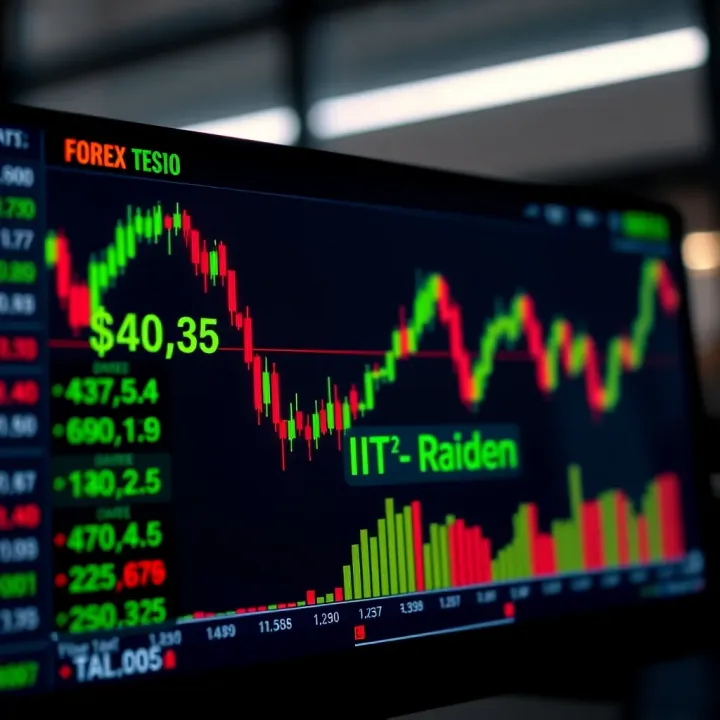
Testing trading strategies safely is another key advantage. Whether you want to try swing trading on the USD/ZAR pair or experiment with day trading strategies on EUR/USD, a demo account allows you to do so without any financial consequences. This helps you spot weaknesses in your approach and adjust tactics before committing any real funds. For example, if a strategy involves setting stop-loss orders during volatile periods but the demo shows frequent stop-outs, you can revise your method before risking capital.
Understanding market dynamics through a demo account means observing how global events impact currency prices without fear. For South African traders, seeing how factors like SARB interest rate decisions or changes in commodity prices affect the ZAR can deepen market knowledge. Trading in this simulated environment helps you recognise patterns, reactions to news, and price swings before facing real stakes.
Handling emotions in simulated trades is a subtle but vital benefit. Many beginners underestimate how emotions can influence decisions when real money is on the line. A demo account lets you experience wins and losses without financial pain, helping to develop discipline and avoid impulsive trades. Yet, it is crucial to approach demo trading seriously to build mental resilience relevant for live markets. Practising managing emotions like greed or fear while trading virtually is a step towards becoming a more composed trader.
Using a forex demo account is not just about learning mechanics but also about preparing yourself emotionally and strategically for the realities of live trading. This dual benefit makes it an indispensable tool for South African traders before risking hard-earned Rand.
By taking advantage of these benefits, traders avoid costly beginner mistakes and set themselves on a path to more consistent trading outcomes when they eventually move on to live accounts.
Choosing the right demo account matters a lot for South African traders. A reliable platform closely mirrors live market conditions, helping you practice without risking real money. This section breaks down critical features you should watch for before settling on a broker’s demo offering.
Live price feeds play a vital role. A demo account must reflect real-time market prices as closely as possible. When the quotes lag or stray from live rates, your strategy tests won’t hold up when you switch to live trading. Imagine your system signals a buy at a certain price on your demo, but the live market shows a drift — that mismatch could cost you once real money is on the line. Among South African brokers, those licensed by the FSCA typically offer tighter integration with live feeds to help in this respect.
Execution speed is another key factor. Even with virtual funds, your trades should execute at the same pace as they would on a live platform. A slow or inconsistent order execution on a demo account might mislead you into thinking your strategy works perfectly or fails unfairly. Traders testing scalping or intraday methods need to experience similar latency and slippage conditions they will face live, to make meaningful assessments.
A mobile and desktop version is increasingly important with South Africans relying on different devices throughout the day. While you might practise more on a desktop with a big screen, monitoring markets and placing quick trades on the go via a mobile app must be seamless. Platforms like MetaTrader 4 and 5 or TradingView often offer both, supporting traders regardless of where they are — be it Johannesburg, Durban, or Cape Town.
Also, the availability of technical tools and charts matters greatly. Your demo platform should provide a wide range of chart types, indicators, and drawing tools. These empower you to analyse trends, spot support and resistance levels, and refine your trading strategy. For example, access to Fibonacci retracements or moving averages on your demo can improve your understanding before you risk Rands live.
Time limits on accounts can affect how much you learn. Some brokers restrict demo accounts to 30 days, which might be tight if you’re new or juggling study and work. Longer or unlimited durations let you practise at your own pace. If you’re trying out different strategies, access over months is beneficial.
The ability to refresh virtual balance also deserves attention. Sometimes, aggressive trial trades deplete your demo funds prematurely. A platform that allows topping up your virtual capital means you can reset and start fresh to explore new techniques without creating a new account repeatedly.
Choosing a demo account with accurate prices, quick execution, and a user-friendly platform can make the difference between gaining real trading insight and spinning your wheels.
Keep these features in mind to get the most out of your forex demo experience before moving to live trading.
Using a forex demo account effectively requires more than just pressing buttons on a screen. For South African traders, understanding local factors can make a big difference in how well you prepare for live trading. This section shares practical advice tailored to your context, helping you get the most from your demo experience and ease the jump into real-money trading.
Choosing a broker regulated by the Financial Sector Conduct Authority (FSCA) matters for your safety and peace of mind. The FSCA oversees financial services in South Africa to protect consumers and ensure fair market practices. Trading with an FSCA-licensed broker means they're required to follow strict rules around client funds, reporting, and business conduct.
This local regulation helps reduce the risk of shady operations – which sadly do pop up in the forex world. For example, an FSCA-regulated broker will keep client money in segregated accounts, making it less likely you'll lose your deposits if the company runs into trouble.
Trading South African Rand (ZAR) currency pairs directly can save you on conversion fees and make it simpler to manage your funds. Look for brokers offering ZAR pairs like USD/ZAR or EUR/ZAR in their demo accounts. This gives you a feel for spreads and price action on local pairs, which often behave differently from majors like EUR/USD.
Also, check that the broker supports South African-friendly payment methods such as EFT (electronic funds transfer), instant EFT, or even popular e-wallets used locally. Fast and low-cost deposits and withdrawals help smooth the transition from demo to live trading, where cashflow matters.
It’s tempting to get carried away by big wins on demo accounts, but tracking your performance with clear metrics brings realism. Keep a trading journal logging your entry points, stop losses, take profits, and outcomes. Review this data regularly to identify patterns and mistakes.
For instance, if you notice you tend to close trades too early during volatile periods or take on too much risk, you can address these habits before risking real Rand. Objective tracking helps build the discipline you’ll need when real money is on the line.
Demo accounts don’t fully capture the psychological side of trading. Since you’re using virtual funds, you won’t feel the same pressure or fear of loss. This often leads to overtrading or taking excessive risks that you wouldn’t consider live.
Be aware that spreads, slippage, and execution speed sometimes differ between demo and live accounts, especially during volatile sessions or loadshedding periods affecting internet connectivity.
Remember, demo trading is practice, not profit. Preparing mentally and technically for the jump to live trading reduces shocks and sets you up for better decisions.
By choosing the right regulated broker with ZAR options, tracking your demo trades carefully, and understanding demo’s limits, South African traders can make their transition to live forex trading smoother and less daunting.
Forex demo accounts serve as a vital stepping stone for new traders, letting you experiment without risking real Rand. Still, traders often slip up by not treating the demo environment seriously or misunderstanding its limits. Recognising common pitfalls ensures budding traders don’t develop habits that are hard to shake when moving to live markets. Getting this right saves you time, protects your confidence, and builds skills that matter.
One of the biggest traps in demo trading is the temptation to overtrade. Since no real money is on the line, it’s easy to place numerous trades without much thought. This kind of reckless behaviour doesn’t prepare you for live trading, where each rand matters. For example, a trader might open and close positions every few minutes simply because the loss doesn’t hurt. But in live trading, overtrading like this quickly drains your account or causes emotional stress.
Practising moderation during demo trading is crucial. Use the same capital limits and trade sizes you’d apply in a real account. This approach teaches you patience and helps build habits that respect capital preservation and risk management.
Trade discipline is more than sticking to a plan; it includes emotional control and consistency. Demo trading can lull you into a false sense of security, as the lack of financial consequence removes the natural discipline developed when real money is involved. For instance, a trader might abandon strategy mid-trade or chase losses recklessly because the demo funds can be reset easily.
Discipline on a demo account means treating trades as though they impact your actual wallet. Set strict rules for when to enter and exit trades, and resist the urge to experiment with impulsive trades. Doing this prepares you mentally to handle the pressure and stick to strategies once you switch to live trading.
Demo accounts use simulated conditions that often lack the unpredictability and emotional strain of live markets. For example, slippage and volatile spreads—which happen in reality—are usually less harsh or completely absent in demos. Expecting the same smooth results when you go live can lead to frustration and misplaced confidence.
The lesson here is to recognise that consistent demo profits don’t guarantee success with real funds. Instead, view the demo performance as a guide for your understanding of platforms and strategies, not as a direct forecast of live earnings.
Not all demos fully replicate the real costs of trading, such as spreads (the difference between buying and selling prices) and slippage (the execution price differing from the expected). In South African forex trading, spreads can widen suddenly during economic announcements or also due to loadshedding events impacting market access.
If you overlook these factors during demo trades, your trading plan might fall apart when real costs eat into profits unexpectedly. Always check if your demo platform applies realistic spreads and slippage. That way, you can better estimate the costs and risks before risking your Rand in live markets.
Treating a forex demo account as just a game wastes the chance to develop essential skills. Be mindful of your psychological approach and the demo's limitations to build solid foundations for live trading.
Avoid these common errors to make your demo experience genuinely useful and prepare yourself properly for stepping into South Africa's dynamic forex markets.
📊 Ready to start forex trading in South Africa? Learn market basics, key strategies, risk management, and local regulations to trade smartly and confidently today! 🇿🇦

📱 Starting with forex trading apps? Learn how to trade on the go, manage risks, spot key features, and follow South African regulations confidently. 💹
Explore how South Africans can trade crypto on Bybit safely 🇿🇦, understand local rules, compare with other platforms, and get practical tips on features and services 📊

🌍 Learn the essentials of FX trading for South African investors—from market basics and strategies to risks and regulations. Start trading smarter today! 💰
Based on 14 reviews