
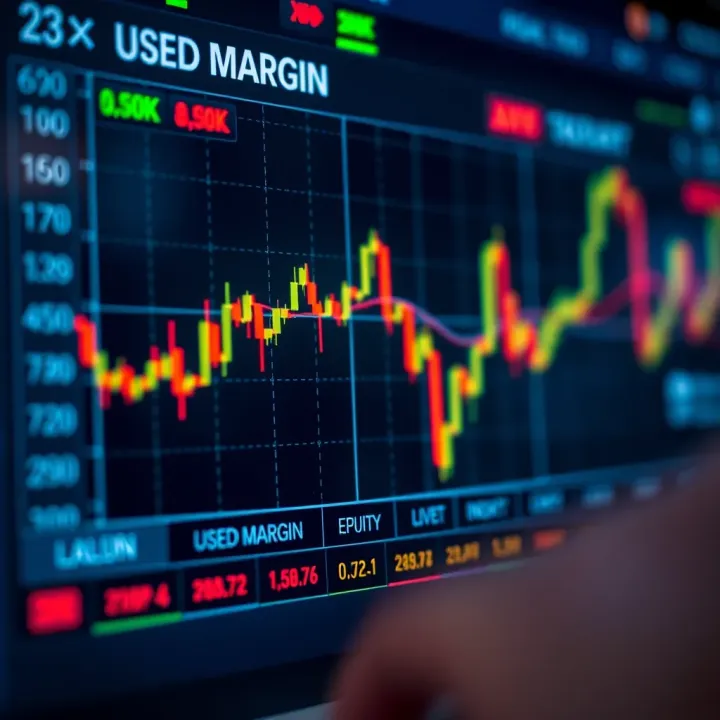
Understanding Margin Level in Forex Trading
📉 Understand margin level in forex trading: learn its calculation, impact on your trades, and manage your risk effectively to protect capital in South African markets 🇿🇦
Edited By
Amelia Davies
Forex trading robots have reshaped how many traders approach the currency market, automating decisions and speeding up executions. But prices for these automated systems vary widely, from just a few hundred rands to tens of thousands. Understanding what drives these costs helps you avoid overpaying for software that won’t meet your trading needs.
Several elements shape the price of a forex trading robot. One major factor is the complexity of the algorithm. Robots that use basic, rule-based logic tend to be cheaper, while those incorporating artificial intelligence (AI), machine learning, or adaptive strategies command higher fees due to their development efforts.
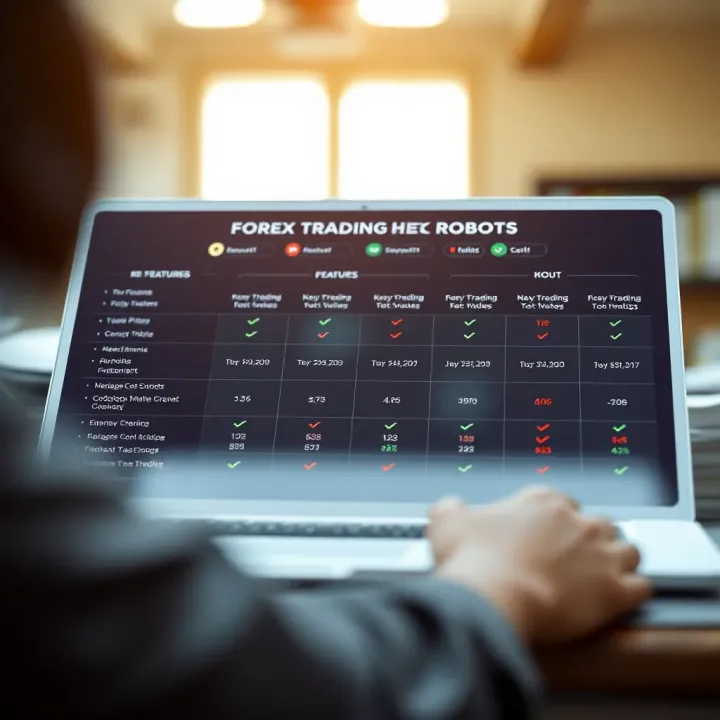
Another consideration is the pricing model. Some robots offer a one-off licence fee, granting lifetime access with optional updates. Others follow a subscription plan, charging monthly or annually for continued use and support. Also common are performance-based fees, where the developer takes a percentage of your profits, aligning their income with your success.
Additional features can add value and cost. For instance, robots that provide extensive customisation, real-time market analysis, risk management tools, or integration with popular South African brokers like EasyEquities or FXTM typically come at a premium. Likewise, a robot that supports multiple currency pairs or timeframes tends to be priced higher.
Keep in mind software quality and vendor reputation. A pricier robot from a well-known South African developer with proven results can offer safer returns than a cheap, untested option. Look for user reviews, backtesting data, and transparent trading performance before committing your funds.
When comparing forex robot prices, consider not only the sticker price but also what you get—support, updates, ease of use, and how well it suits your trading style.
In the South African context, also factor in exchange rates and whether the pricing is in foreign currency. International sellers charging dollars or euros may mean fluctuating costs based on rand strength.
To sum up, forex robot prices reflect a mix of algorithm sophistication, pricing models, features, quality, and local currency considerations. Being clear about your trading goals and budget will help you pick the right robot without breaking the bank.
Understanding what drives the cost of a forex trading robot is key for traders who want to make wise investment decisions. The price often reflects the underlying technology, the ease of use, and ongoing support you can expect. For instance, a robot with a sophisticated algorithm and versatile features will usually cost more than a basic one with limited functionality. Knowing these factors helps you avoid overpaying for a tool that doesn’t match your trading goals.
Algorithm complexity plays a big role in pricing. More advanced algorithms analyse market data more thoroughly and can react faster to price changes, giving you a potential edge. For example, a robot that uses machine learning to adapt to shifting market trends is often pricier than one that relies on simple predefined rules. Complex algorithms require more development time and regular tweaking to stay effective, which pushes up the cost.
Market adaptability is about how well the robot adjusts to different trading conditions. Some robots stick rigidly to specific market scenarios, while others can operate effectively across various currency pairs, timeframes, and volatility levels. A robot with high adaptability reduces the need for manual intervention and can perform through different market cycles, making it more valuable and, consequently, more expensive.
Customisation options allow a trader to tweak settings, risk levels, and trading strategies. Robots that offer extensive customisation suit different trading styles and preferences. For example, you might want to set how aggressively the robot trades or limit the exposure per trade. These options add complexity to the software design and typically affect the price—more customisation means a higher price tag.
Ease of use impacts how quickly you can get the robot up and running. Robots with intuitive interfaces, clear installation guides, and simple setup appeal to a wider user base—those unfamiliar with complex coding or technical jargon. If the robot is user-friendly, you save time and hassle, which can justify a slightly higher cost.
Customer support availability is crucial, especially when trading live funds. Responsive and knowledgeable support teams help resolve issues quickly, whether it's tweaking parameters or fixing installation problems. For instance, some South African forex traders value vendors with dedicated helplines or live chat support during local trading hours. Quality support adds to the maintenance costs and is often reflected in higher prices.
Training and resources matter for traders new to automated systems. Robots that come with comprehensive training materials, video tutorials, and ongoing webinars allow you to use the software effectively. This support reduces costly mistakes and builds confidence, making it a worthwhile investment. Vendors who offer this level of guidance tend to charge more, but traders often find it pays off.
One-time purchase vs monthly subscription affects how you budget for a forex robot. A one-off payment might seem expensive upfront but can save money over time if the software remains effective without hidden fees. Subscriptions, on the other hand, spread costs but might include ongoing updates and customer support. For example, some South African providers offer monthly plans with software updates included, suiting traders looking for continuous improvements.
Free trials and demo versions let you test the robot without financial risk. Many vendors provide limited-functionality demo versions or time-limited trials to showcase performance. This transparency helps you assess whether a robot suits your trading before paying. The availability or absence of a trial can signal confidence in the product and impact the price.
Multiple account licences are for traders managing several accounts or working with clients. Licensing for multiple accounts increases costs but provides flexibility. For example, an independent trader managing personal and client funds might pay more but benefit from legally using the robot across accounts. Vendors usually differentiate pricing for single versus multiple licences, so understanding your needs here can help control costs.
Keeping a close eye on these pricing factors ensures you invest in a forex trading robot that fits your trading strategy, budget, and skill level — avoiding surprises down the line.
Understanding the typical pricing models behind forex trading robots helps traders set realistic expectations and pick options that fit their budgets. Different structures come with trade-offs between upfront costs, flexibility, ongoing support, and risk. We’ll look closely at the main types found in South African and international markets.
Fixed price forex robots require a single upfront payment. This model is straightforward: you pay once then gain permanent access. It suits traders who prefer avoiding recurring charges or want clear cost control. For example, a robot bought for R5,000 means no additional fees for continued use, perfect for those with steady trading strategies seeking long-term tools.
Also, owning the software outright can allow running it indefinitely without surprises in pricing, which some find reassuring amid volatile markets or fluctuating rand values.
However, fixed price software may lack regular updates. Developers often include only basic bug fixes post-purchase, leaving major algorithm improvements or compatibility updates for extra fees. This could become a problem as trading platforms or broker conditions evolve.
A robot bought five years ago might not respond well to new market behaviour or platform upgrades unless you pay more for updates, which catches some users off guard. Also, support tends to be limited compared to subscription models.
Subscription models charge forex traders monthly or annually, offering access to software for as long as they keep paying. This can lower the entry cost since you spread payments out—good for traders who don’t want large upfront expenses.
For example, a forex robot might cost R400 per month or R4,200 annually, often with a discount for the yearly option. This flexibility lets traders try the robot without committing heavily at once.
Subscriptions commonly include continual updates, maintenance, and better customer support. Developers remain more involved, pushing improvements and fixing issues promptly.
In South Africa, where loadshedding and internet disruptions can affect trading, having reliable tech support bundled in can make a real difference. Plus, you get access to improvements adapting to regulatory or market changes without extra payments.
Some firms offer performance-based pricing, charging fees only when the robot generates profits. This method appeals since you pay for results, lowering financial risk initially.
For instance, a robot may take 20% commission on net gains, so a trader paying R2,000 in fees might have earned R10,000 in profits. This creates alignment between the developer and user.
That said, such models risk hidden costs if reports aren’t transparent or profits are exaggerated. Traders may find opaque fee structures or struggle verifying genuine wins versus manipulated trades.
Plus, it can encourage developers to take excessive risks to boost returns quickly, endangering capital. Thus, clear contracts and verified trading histories are crucial for trust.
Choosing the right pricing structure is about balancing budget, risk appetite, and desired level of support. No one size fits all, especially considering different trading styles and South African market realities.
When considering a forex trading robot, it's essential to weigh up whether it offers real value for the cost. While a cheap option might be tempting, you should match its features and performance to your specific trading goals. On the flip side, an expensive robot doesn’t always guarantee better results. Assessing value helps you avoid wasting Rands on software that does not suit your needs or works poorly with your preferred platforms and brokers.
Forex trading strategies vary widely, primarily between scalping and long-term approaches. Scalping robots execute rapid, frequent trades aiming to capture small price moves. These require ultra-fast execution and low latency, so the robot must handle real-time data efficiently. In contrast, robots designed for long-term strategies make fewer trades, focusing on trends over days or weeks. Choosing a robot that suits your style avoids paying for unnecessary features and improves your chances of consistent profit.
Risk management tools are another crucial element. Effective robots include stop-loss and take-profit settings to limit potential downsides and lock in gains. Some advanced options offer trailing stops or dynamic position-sizing based on volatility. These tools are vital, particularly in volatile markets like the rand-dollar pair, helping you control exposure without constant manual intervention. Skimping on risk management features can leave you vulnerable to large drawdowns.
Not all forex robots work seamlessly across every trading platform. In South Africa, MetaTrader 4 (MT4) and MetaTrader 5 (MT5) remain the most popular choices due to their wide brokerage support and extensive customisation options. If a robot is designed exclusively for MT5, it may not function on MT4 or other systems like cTrader, limiting your flexibility.
Broker integration also demands attention; some brokers restrict automated trading or certain expert advisors (EAs). Before purchasing, verify that your preferred broker supports the robot and that no rules prevent its deployment. For example, certain South African brokers may not allow high-frequency scalping EAs, so buying a robot that relies on this strategy could be a wasted investment.
A verified trading history gives you concrete evidence of a robot’s past performance. Look for audited results or third-party verification rather than trusting only screenshots or claims. Verified records reveal how the robot handled real market conditions, which helps gauge if the cost matches the expected return.
Community feedback offers fresh, practical insights. Forums, social media groups, or reviews on trading websites supply unfiltered opinions from actual users. They can highlight common issues such as bugs, poor customer support, or hidden fees. A strong reputation backed by positive user experiences often signals better value and reliability.
Smart buyers don’t just chase the lowest price tag but balance features, compatibility, and credibility to find forex robots that genuinely align with their trading goals and platform choices.
By considering these factors carefully, you avoid overpaying for software that doesn’t deliver and improve your chances of successful, sustainable trading with your chosen robot.
When considering purchasing a forex trading robot, steering clear of overpriced or ineffective options is vital. In the South African context—where forex trading is growing but still requires practical decision-making—paying too much for poor software can cost more than just money. It wastes your valuable trading time and may even lead to unnecessary losses. Knowing the warning signs helps you protect your investment and only back solutions that truly deliver.
Unrealistic profit promises often raise an immediate red flag. If a forex robot claims it can guarantee massive returns with little risk or effort, be sceptical. No software can predict the market with 100% accuracy, especially given forex volatility. For example, a robot promising monthly gains of 30% with zero drawdown should be treated with caution. Such claims often signal aggressive marketing rather than practical results.
Lack of transparency in costs can cause headaches down the line. Some developers advertise low entry prices but hide extra fees for updates, support, or even activation keys. This obscures the total cost of ownership, which traders may only discover after purchase. Always ask for a clear breakdown of all charges, including possible renewal fees and limits on the number of accounts you can use the robot with.
No trial or money-back guarantees means you risk losing your money on untested software. A reputable forex robot provider will offer a demo version or a refund window. This allows you to assess if the product matches your trading goals without immediate commitment. Buying a robot blind, especially if the price is steep, is like buying a bakkie without a test drive — better to try it first, or you risk ending up with something that does not suit your needs.
Using demo accounts gives you the chance to trial a forex robot in real-market conditions but without risking actual capital. Most South African brokers provide demo accounts where you can connect the robot and see how it performs on historical and live price data. This step allows you to observe whether the robot fits your chosen trading style and risk tolerance before spending any Rands.
Evaluating performance over time is key to avoid being misled by short-term success or backtested results alone. A robot that performs well only during certain market conditions or over brief periods might fail in a live, changing environment. Monitor metrics like drawdown, win ratio, and consistency across weeks or months during your demo testing. This ongoing evaluation informs a more confident purchase decision and ensures you don’t pay too much for something that won’t last.
Effective research and testing are your best tools against overpriced or ineffective forex trading robots. Be patient, demand transparency, and remember: real value comes from consistent, reliable performance—not flashy promises or cheap upfront costs.
Finding a forex trading robot that fits your budget without compromising on essential features requires a clear approach. This section offers practical advice tailored for traders who want to avoid overspending while securing software that truly matches their trading needs.
Defining acceptable risk levels helps align your expectations with the robot's trading style. For instance, if you can’t stomach losing 5% of your capital on one trade, you'll need a robot configured with strict risk controls. Many forex robots allow you to set stop-loss limits or trade sizes to suit your risk appetite. This prevents nasty surprises and keeps your trading aligned with your financial comfort zone.
Knowing your desired trade frequency is equally crucial. Do you prefer to scalp with multiple trades during the day, or are you looking for a robot suited to longer-term positions? High-frequency robots often require more expensive backend systems and data feeds, which can raise costs. Matching trade frequency to your goals ensures you don’t pay for features you’ll rarely use.
When comparing forex robots, look beyond the price tag. Assess what features you get for the money. Some robots might offer advanced risk management tools, automated news scanning, or multi-pair trading, justifying a higher price. Others might be basic but excellent for beginners. Listing your must-have features helps separate good value options from overpriced or underperforming ones.
Keep an eye out for bundles and discounts. Sellers often package multiple robots or tools at a lower combined price, which can save you money if you need several functionalities. Seasonal sales or broker partnerships might also offer discounts—these are worth exploring, but always double-check what’s included to avoid hidden catch.
Subscription renewals can catch many off-guard. A forex robot might seem affordable initially, but monthly or annual fees quickly add up. Always calculate potential ongoing costs over a year or two to get a realistic sense of your investment. For example, a R1,500 upfront purchase with no renewals might be cheaper long term than a R200 monthly subscription.
Additional fees for updates or support can also inflate your total spend. Good developers update their robots regularly to adapt to changing markets, but some charge separately for these updates or for technical support. Factor these costs in when budgeting, especially if you rely on constant improvements to keep your trading edge.
Taking a holistic approach to cost—balancing features, risk, and ongoing fees—will help you choose a forex trading robot that suits both your trading style and your financial limits.
📉 Understand margin level in forex trading: learn its calculation, impact on your trades, and manage your risk effectively to protect capital in South African markets 🇿🇦
🤖 Explore how robot trading automates forex deals using algorithms, plus tips on pros, risks, and regulation for South African traders.
Learn how margin in forex trading affects your capital and risk in South Africa 🇿🇦. Get practical tips on margin calls, trading smart, and protecting your R.

📘 Start forex trading confidently with this practical guide! Learn market basics, strategies, risk management, and find reliable beginner-friendly PDFs and platforms.
Based on 5 reviews