
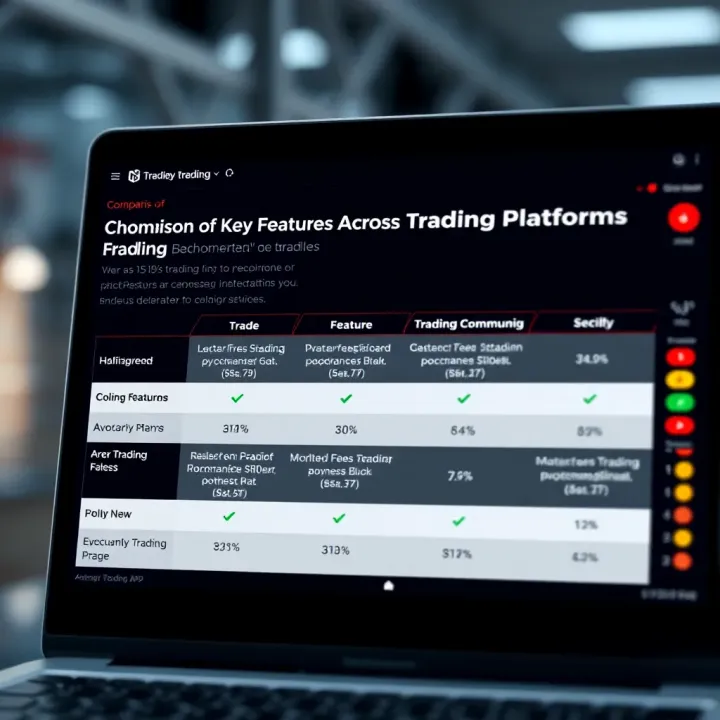
Choosing the Best Trading App in South Africa
Discover how to pick the best trading app in South Africa 📱 for smart investing. Compare features, ease of use, fees, and security to manage your portfolio confidently.
Edited By
James Thornton
Leverage lets traders control larger positions using a smaller amount of their own money. For someone with a small trading account, it might seem tempting to grab as much leverage as possible to boost profits quickly. But pushing your leverage too high is a common pitfall that can wipe out your capital in a flash.
If your account is only R5,000, for example, using 100:1 leverage means you control R500,000 worth of assets. Sounds good on paper, but a mere 0.5% move against your position could wipe your entire account. That's why finding the right balance is critical.
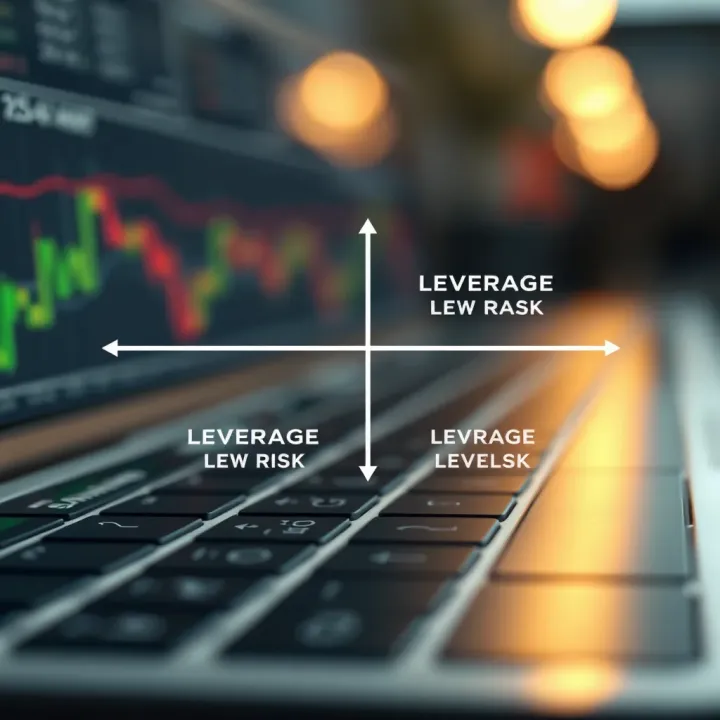
Leverage is a double-edged sword — it can multiply gains but also deepen losses. Small accounts need to be especially careful about not overextending.
Several factors influence your ideal leverage choice:
Risk tolerance: How much are you willing to lose on a trade?
Trading style: Day traders typically use higher leverage than swing or position traders.
Market volatility: Big swings mean you should dial back leverage.
Capital preservation: Protecting your limited funds keeps you in the game longer.
Most seasoned South African traders with small accounts lean towards conservative leverage levels, often between 5:1 and 20:1. This range offers some growth potential without exposing you to total ruin from regular market jitters. Using stop-loss orders and strict risk management also helps keep losses in check.
In summary, taking time to plan your leverage carefully is what separates successful small account traders from those who burn out fast. Understanding how much risk each level of leverage carries — matched to your strategy and temperament — will help you trade smarter and keep your trading funds safe.
Leverage is a key concept in trading that can significantly influence your potential returns—and losses. At its core, leverage allows traders to control a larger position than their actual capital by borrowing funds from their broker. Think of it as using a small bakkie to tow a heavier trailer; while you get to move more goods, the strain and risk on your vehicle increase.
Leverage is expressed as a ratio, like 10:1 or 50:1, showing how much more you can trade beyond your cash balance. For instance, with R1,000 in your trading account and 10:1 leverage, you can control R10,000 worth of assets. That means a 1% price move could result in a R100 gain or loss—not just R10. This magnification impacts both profits and losses, making careful use essential.
Most online brokers offer various leverage options fitting different risk appetites. Typical leverage in forex trading ranges from 10:1 up to 500:1, but in South Africa, brokers often limit leverage due to regulatory measures from the Financial Sector Conduct Authority (FSCA), commonly capping leverage at around 30:1 for major currency pairs. In contrast, shares usually have lower or no leverage, while derivatives and CFDs might offer higher ratios.
For example:
10:1: Safer, suitable for conservative traders or small accounts.
30:1: Moderate risk, common in South African forex trading.
50:1 and above: High risk, requires solid risk controls.
Small trading accounts particularly benefit from leverage's ability to boost market exposure without needing significant capital. If you only have R5,000 to trade, a modest leverage can help you take positions that might otherwise be out of reach. However, the flip side is that small accounts have little room for losses before the capital is depleted.
The thing is, the higher the leverage, the faster you can blow your entire account if the market moves against you. So, it’s about striking a balance. For South African traders juggling loadshedding risks and data costs, smart leverage use means protecting your limited funds while still chasing fair growth.
Using leverage without understanding its mechanics is like navigating Jo'burg traffic without knowing the robot rules—you risk costly crashes.
In short, understanding leverage isn't just for seasoned traders. Anyone starting with a small account must grasp how it works and how much risk they're willing to shoulder. That’s the foundation for choosing the right leverage that suits your trading goals and keeps your capital intact.
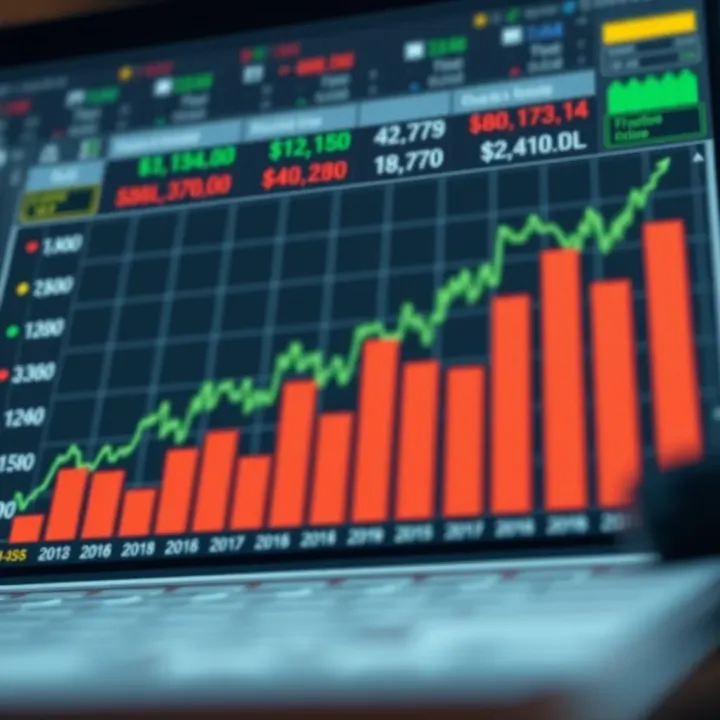
Choosing the right leverage depends on several key factors that can impact your success and risk exposure. For small trading accounts, getting these elements right helps preserve your capital and supports sustainable growth. Here’s a breakdown of what to weigh up.
Your starting capital limits how much leverage you should take on. For instance, with an account of R10,000, high leverage like 100:1 might seem attractive since it amplifies your market exposure. But this also means even modest market moves against you could wipe out your entire balance quickly. Instead, opting for lower leverage, say 10:1 or 20:1, allows trades that respect your capital and give you breathing room.
Consider dividing your capital across several trades rather than putting it all in one position with excessive leverage. This spreads risk and reduces the chance of losing everything on a single bad move.
Your approach and the timeframe you prefer influence suitable leverage. Day traders who open and close positions within hours often use higher leverage to capitalise on small price swings. On the other hand, swing traders holding positions for days or weeks might favour lower leverage to avoid sudden losses from short-term volatility.
For example, a trader focusing on fast-moving forex pairs during European trading hours might use 30:1 leverage, while someone in commodities with broader trends could stick to 5:1 or 10:1. Aligning leverage with your trading style keeps risk in check and works with your rhythm rather than against it.
How much risk you can stomach is critical when choosing leverage. Traders uncomfortable with significant drawdowns should lean towards conservative leverage levels. Applying strong money management — such as setting stop-loss orders and capping risk per trade at 1–2% of your account — helps keep losses manageable.
For example, if you’re willing to risk R200 per trade on a R10,000 account, using leverage too high could make it tough to place stop-losses without getting stopped out unnecessarily. Balancing position size and leverage ensures you can stick to your plan without sweating every market move.
Thoughtful consideration of these factors helps small account traders avoid common pitfalls. Leverage is a tool—not a shortcut—and treating it appropriately will give you the best chance to build your trading pot steadily and safely.
Finding the right leverage level is a mix of understanding your capital limits, trading method, and personal risk appetite. Keep those aligned and you'll avoid blowing your account on hasty decisions or overexposure. In the next sections, we'll look at the risks of high leverage and practical tips on managing it effectively.
High leverage in trading can somewhat feel like a double-edged sword—it's tempting because it promises bigger profits, but it also heightens the risk of substantial losses. Small account traders must grasp this balance to avoid wiping out their funds prematurely.
Leverage works by allowing traders to control larger positions than their actual capital. For example, if you have a R10,000 account and use 10:1 leverage, you’re effectively trading R100,000. While this ups your potential gain, it also increases your downside. A 1% adverse price move costing you R1,000 would be a mere 10% loss on your account—quite significant for a small trader.
Leverage magnifies every market move. That means even small misjudgements can drain your capital faster than expected.
It's crucial to remember that while your profits may soar with the right market moves, the losses can match and quickly deplete your account, particularly when tight stop-loss strategies aren't in place.
Traders with small accounts often fall into predictable traps. One frequent error is using maximum leverage just because it's available, like choosing 50:1 or more without considering risk exposure. This often stems from a wish to speed up account growth but ends up burning through capital instead.
Another mistake is ignoring proper position sizing. Jumping into the market with oversized trades relative to your balance can lead to margin calls from brokers. For instance, opening a position 5 times your capital without a stop-loss is asking for trouble.
Additionally, some traders neglect practising disciplined risk management. They might hold onto losing positions too long, hoping for a turnaround, which can amplify losses when using high leverage.
South African traders must also be aware of regulatory frameworks governing leverage. The Financial Sector Conduct Authority (FSCA) sets guidelines limiting leverage to protect retail traders from excessive risk. Typically, brokers registered with the FSCA cap leverage around 1:10 to 1:20 for forex trading on small accounts.
Brokers might enforce margin requirements and liquidate positions automatically if the account equity falls below required levels. It's important to choose reputable brokers and read their terms carefully to avoid surprise liquidations or account freezes.
Understanding these limits will help you pick leverage levels that align with both your risk appetite and regulatory protections, minimising the chance of being caught off guard by sudden margin calls.
Managing leverage wisely involves recognising its potential to amplify outcomes in either direction. Small traders should avoid high leverage temptations and focus on well-planned trade sizes, realistic risk management, and being aware of South African broker rules for a steadier path to growth.
Managing leverage wisely is vital for traders with small accounts. It helps protect your capital from big losses while giving you the chance to boost gains. Practical rules make it easier to stay disciplined and navigate the risks that come with using borrowed money to trade.
Choosing the right leverage depends largely on your account size. For instance, a trader with R5,000 should avoid overly high leverage like 1:100, which might lead to quick liquidation from small market swings. Instead, leveraging between 1:5 and 1:10 often fits smaller accounts better, giving some boost without exposing you to huge risks. For medium-sized accounts, say R50,000, slightly higher leverage levels around 1:20 might be manageable but always consider your comfort with potential losses.
Setting realistic leverage means recognising that small accounts can't weather big swings. Leverage should serve as a modest amplifier, not a gamble. If you start with R10,000, treating your exposure as if you had only R50,000 or less can prevent blowing your capital in just days.
Stop-loss orders are your frontline defence. They automatically close a trade when it hits a specified loss limit, preventing emotional decisions. For small accounts, tight stop-losses make sense — they allow you to control losses closely, though you might get stopped out more frequently.
Position sizing is equally crucial. Only risk a small percentage of your capital on any single trade, typically 1–2%. For example, with a R10,000 account, risking R100 to R200 per trade guards against a swift wipeout. Combine this with your stop-loss distance to adjust trade size. This discipline keeps you trading sustainably over time.
Controlling the size of your trades and where you put stop-loss orders is more important than chasing big wins with high leverage.
Choosing the right trading platform affects how effectively you manage leverage. Some brokers offer tailored accounts for smaller capital with lower minimums and the ability to trade micro-lots — ideal for fine-tuning position size.
Platforms like MetaTrader 4 and 5 are popular here for their flexibility and a variety of built-in risk management tools. Brokers such as IG, Plus500, and local favourites like EasyEquities provide interfaces friendly to small traders with educational support.
Look for platforms that allow easy setting of stop-losses, take-profits, and alerts. Also, consider those that display margin requirements upfront — this helps avoid accidentally taking on too much leverage.
By combining sensible leverage levels, disciplined stop-losses, and the right tools, small account traders in South Africa can navigate the market with greater confidence and protect their money from unnecessary risk.
Discover how to pick the best trading app in South Africa 📱 for smart investing. Compare features, ease of use, fees, and security to manage your portfolio confidently.
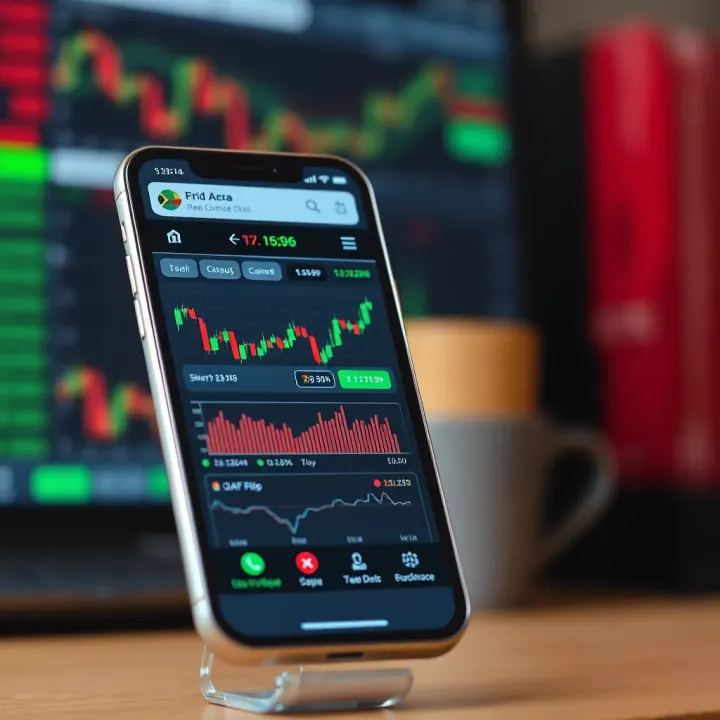
Discover how to choose and use online trading apps in South Africa 🇿🇦 with smart tips on security, features, and regulations for safer, confident trading 📱💼.

📈 Explore how derivative leverage lets South African investors control large positions with small capital, covering futures, options, risk management, and market regulations.
Learn how margin in forex trading affects your capital and risk in South Africa 🇿🇦. Get practical tips on margin calls, trading smart, and protecting your R.
Based on 8 reviews